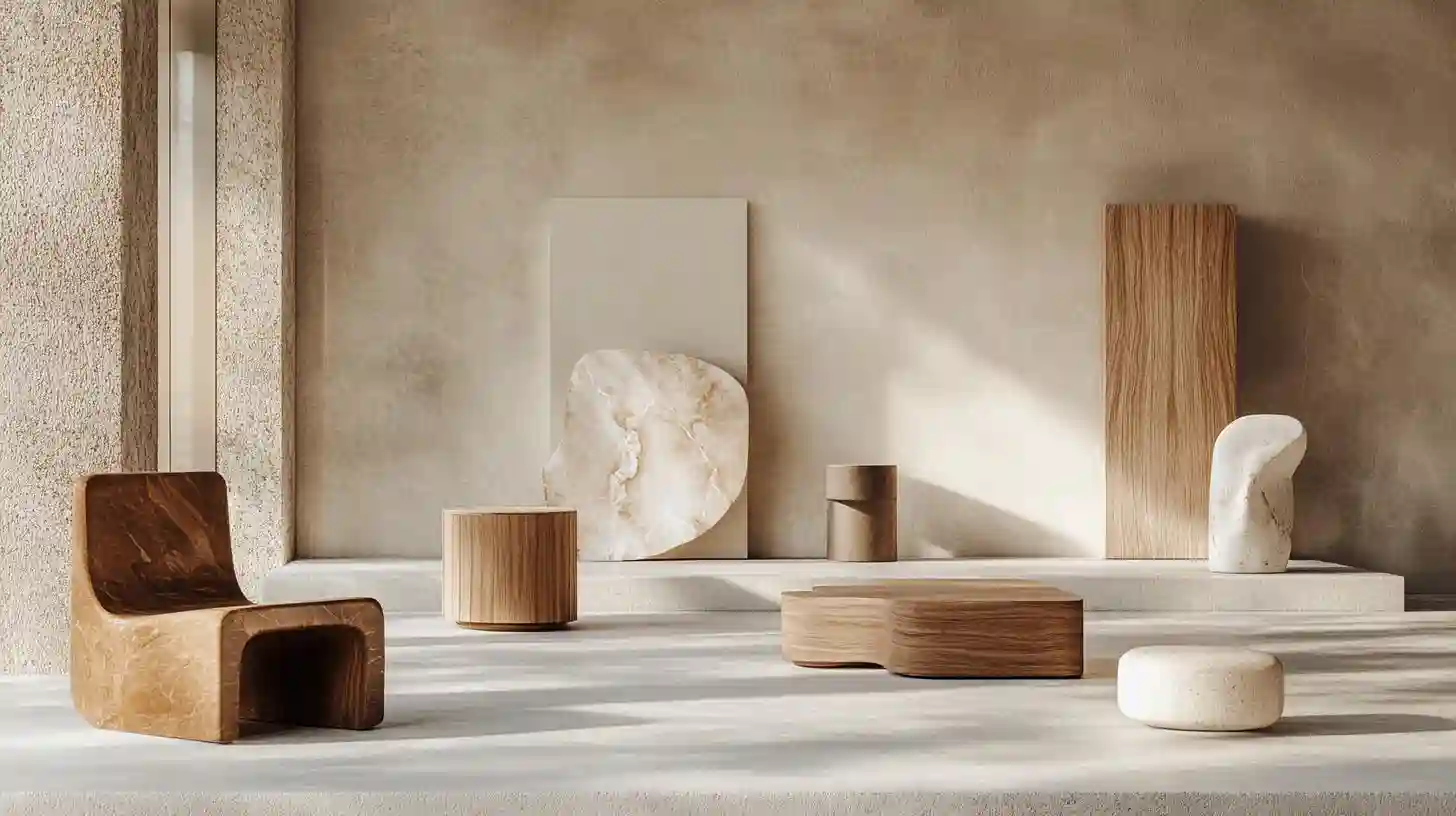
Minimalist furniture has seen a remarkable resurgence in recent years, becoming a defining feature in contemporary interior design. This trend goes beyond mere aesthetics; it embodies a philosophy that places emphasis on functionality, simplicity, and the essence of living spaces. As lifestyles evolve, so does the need for environments that promote clarity, peace, and organization, making minimalist furniture an appealing choice for many.
The design philosophy behind minimalism is rooted in the idea of "less is more." Originating in the mid-twentieth century, minimalism sought to eliminate excess and prioritize essential forms and functions. Furniture designed with this philosophy avoids the opulent embellishments typical of previous design eras and instead focuses on clean lines, neutral color palettes, and functional forms. This approach aligns with a growing societal desire for simplicity and a streamlined aesthetic in the face of modern chaos.
One of the driving forces behind the popularity of minimalist furniture is the changing nature of societal space usage. As urban living becomes more prevalent, individuals and families often find themselves in smaller apartments or homes. This shift necessitates furniture that maximizes space and provides utility without overwhelming the environment. Minimalist furniture meets this challenge by offering designs that are often versatile and adaptable. For instance, a sleek coffee table can double as a storage solution, while a modular sofa can be arranged in various configurations to suit different occasions.
The materials used in minimalist furniture also reflect this design ethos. Natural materials like wood, metal, and glass are favored for their durability and aesthetic appeal. These materials complement the minimalist aesthetic, as they often reveal their inherent qualities with little alteration. A beautifully grained wood table, for example, becomes a focal point in a room not through ornate design but through its natural beauty. This connection to natural elements reinforces the minimalist philosophy of prioritizing authenticity and the intrinsic value of objects.
Another aspect of minimalism is its alignment with sustainable practices. As environmental awareness grows, many consumers seek to reduce their ecological footprint. Minimalist furniture often uses sustainable materials and production methods, emphasizing longevity over disposability. Choosing fewer, high-quality items instead of a multitude of cheaper, less durable ones reduces waste and contributes to a more sustainable lifestyle. This focus on quality over quantity reflects a broader shift in consumer behavior, where mindfulness and intentionality guide purchasing decisions.
Minimalist furniture design also encourages a sense of tranquility and mindfulness within living spaces. In a fast-paced world filled with distractions, having a simplified environment can promote mental clarity and focus. The absence of clutter fosters a calm atmosphere, enabling individuals to better appreciate the space they inhabit. This aspect of minimalism is not just physical; it extends into emotional and psychological realms, where the act of decluttering one's surroundings is often accompanied by a sense of relief and renewal.
Furthermore, the versatility of minimalist furniture allows it to complement various styles and preferences. While rooted in a particular aesthetic, minimalist designs can harmonize with eclectic interiors and even traditional spaces. An elegant, minimalist chair can seamlessly integrate into a farmhouse-style kitchen, while a modern, clean-lined table can work beautifully in a bohemian living room. This adaptability makes minimalist furniture a practical choice for many homeowners and designers looking to create dynamic, personalized spaces.
The global rise of the digital nomad lifestyle has also contributed to the popularity of minimalist furniture. Many individuals now prioritize mobility and flexibility, leading to the desire for furniture that can be easily moved and reconfigured. Lightweight, multifunctional pieces appeal to those who frequently relocate or desire a versatile living arrangement. In this context, minimalist furniture not only serves as practical items but also as lifestyle choices that align with an evolving modern existence.
Social media has played a significant role in spreading the minimalist movement, with platforms such as Instagram and Pinterest showcasing beautifully curated spaces that celebrate simplicity. Users are inspired by images of stunning, uncluttered areas adorned with thoughtfully chosen pieces. This visual representation of minimalism has popularized the concept among younger generations, who view their living spaces as extensions of their identities and personal philosophies.
Minimalist furniture is not just about the individual pieces but also about how they interact within a space. The arrangement and selection of furniture can dramatically influence the overall ambiance of a home. By choosing fewer items that resonate on a personal level, individuals create a space that feels both intentional and inviting. This conscious design practice encourages deeper connections with the objects that fill their living environments, fostering an appreciation for quality and meaning over quantity.
As the trend continues to evolve, minimalist furniture remains a testament to the enduring power of thoughtful design. Its emphasis on efficiency, sustainability, and simplicity resonates with modern sensibilities and provides enduring solutions for a world that often feels overwhelming. By celebrating the beauty of essential forms and fostering mindful living, minimalist furniture reflects a deeper understanding of how our environments shape our experiences and well-being.