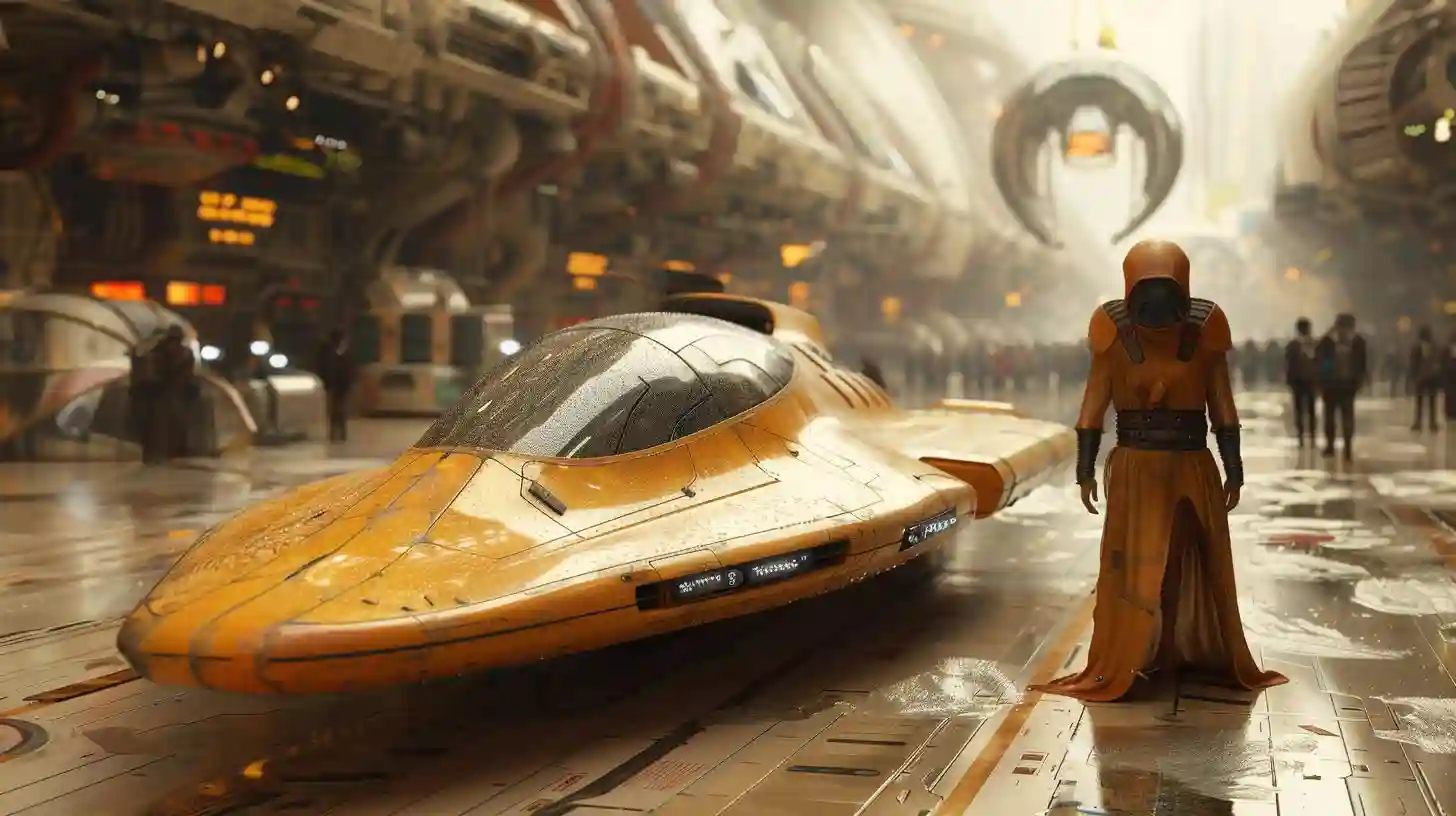
Science fiction has long acted as a laboratory of imagination, exploring technologies and worlds that challenge the boundaries of what is considered possible. Ideas once confined to the pages of novels or the frames of movies have frequently served as catalysts for real-world innovation. The communicators in classic science fiction, for example, prefigured the development of mobile phones, inspiring engineers to transform the notion of instant, portable communication into reality. Similarly, autonomous machines depicted in futuristic narratives have encouraged researchers to experiment with artificial intelligence and robotics, driving advances that now impact industries from healthcare to transportation.
Beyond individual inventions, science fiction encourages a mindset that blends creativity with problem-solving, prompting scientists and engineers to envision not just what a device can do, but how it can reshape society. Space exploration in fiction, for instance, has guided the design of actual spacecraft and prompted renewed interest in missions beyond Earth. The speculative nature of these stories often challenges existing constraints, offering frameworks to rethink energy sources, materials, and human-machine interaction. By presenting both possibilities and ethical dilemmas, fictional narratives provide a testing ground for ideas that might otherwise remain theoretical, pushing innovators to consider the broader consequences of their work.
The relationship between imagination and implementation demonstrates that creativity is a driving force in technological progress. Fiction can illuminate paths not yet taken, encouraging tangible experimentation while reminding inventors that even the most fantastical concepts can inspire practical solutions. Science fiction does more than entertain; it shapes the trajectory of innovation, bridging the gap between what is dreamed and what can be built, cultivating a world where imagination becomes a blueprint for reality.