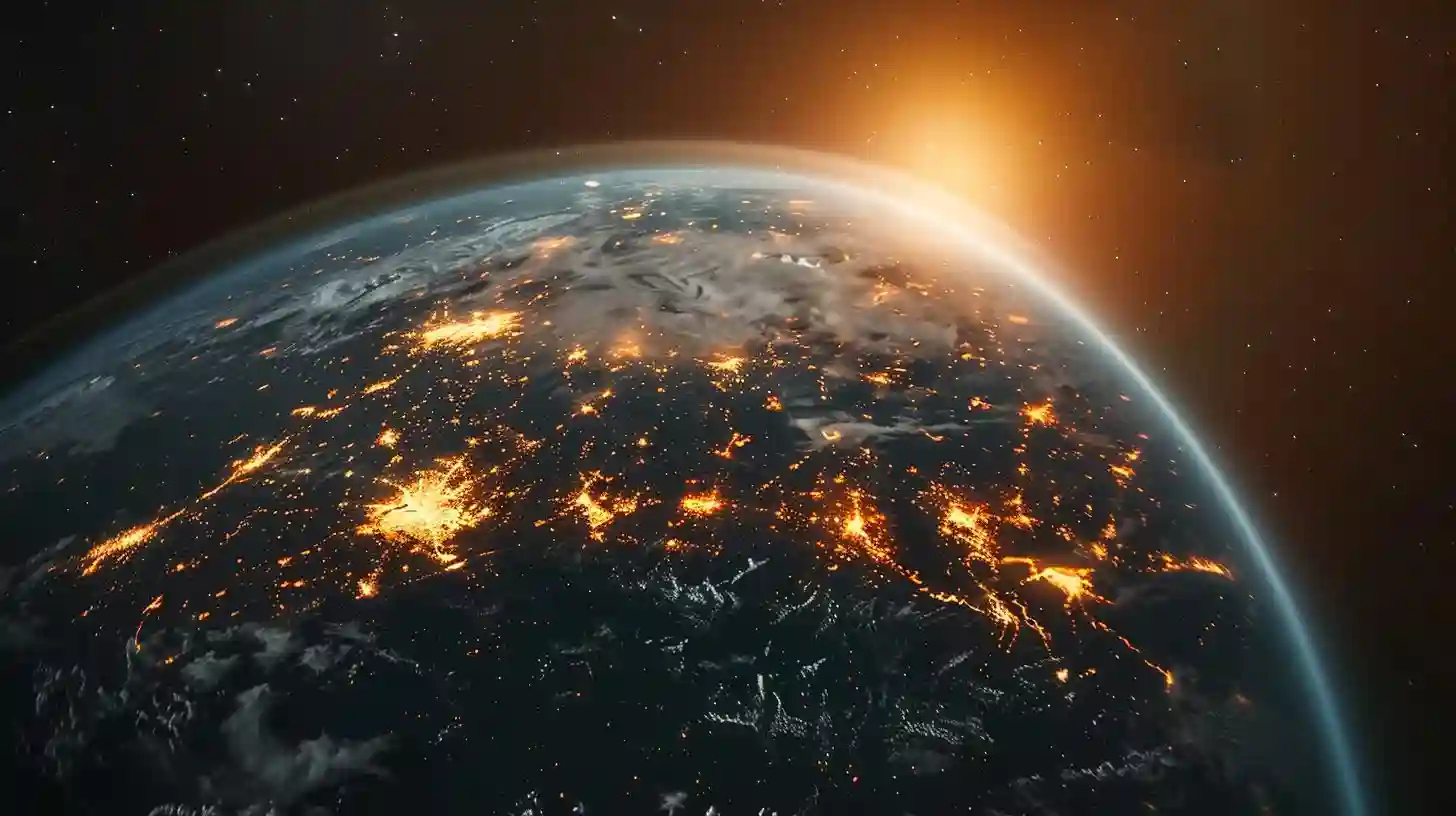
The discovery of exoplanets has begun to subtly yet profoundly reshape our understanding of the cosmos and our place within it. For centuries, human perspective was framed by a solar system-centric view, where Earth appeared singular and unique, a cradle of life against a backdrop of seemingly inert stars. Each new exoplanet detected, particularly those in habitable zones, fractures that long-held sense of exclusivity, revealing a universe teeming with worlds of diverse composition, climate, and potential. The knowledge that planets orbit stars countless light-years away invites reflection on the fragility and particularity of life on Earth, emphasizing both its rarity and its resilience.
Exoplanet discoveries challenge not only scientific assumptions but also philosophical ones. They prompt questions about the conditions required for life, the possibility of other intelligences, and the biases inherent in defining what constitutes a habitable environment. The sheer variety of planetary systems, from scorching gas giants skimming their stars to distant icy worlds with extended orbits, suggests that nature experiments on a cosmic scale, unconstrained by human expectations. This realization cultivates humility, encouraging a shift from anthropocentric thinking toward a broader cosmic perspective, where human life is both remarkable and small within the grand tapestry of existence.
Moreover, the tools and techniques used to detect these distant worlds reflect humanity's ingenuity, turning faint shadows and tiny wobbles into profound revelations. The very act of searching for exoplanets has reshaped our imagination, inspiring not only scientific inquiry but also a reconsideration of human ambition, curiosity, and the narratives we construct about belonging and significance in the universe. Each discovery expands the dialogue between observation and contemplation, urging us to recognize that our understanding of the cosmos is as dynamic and evolving as the universe itself.
Word count: 295