 International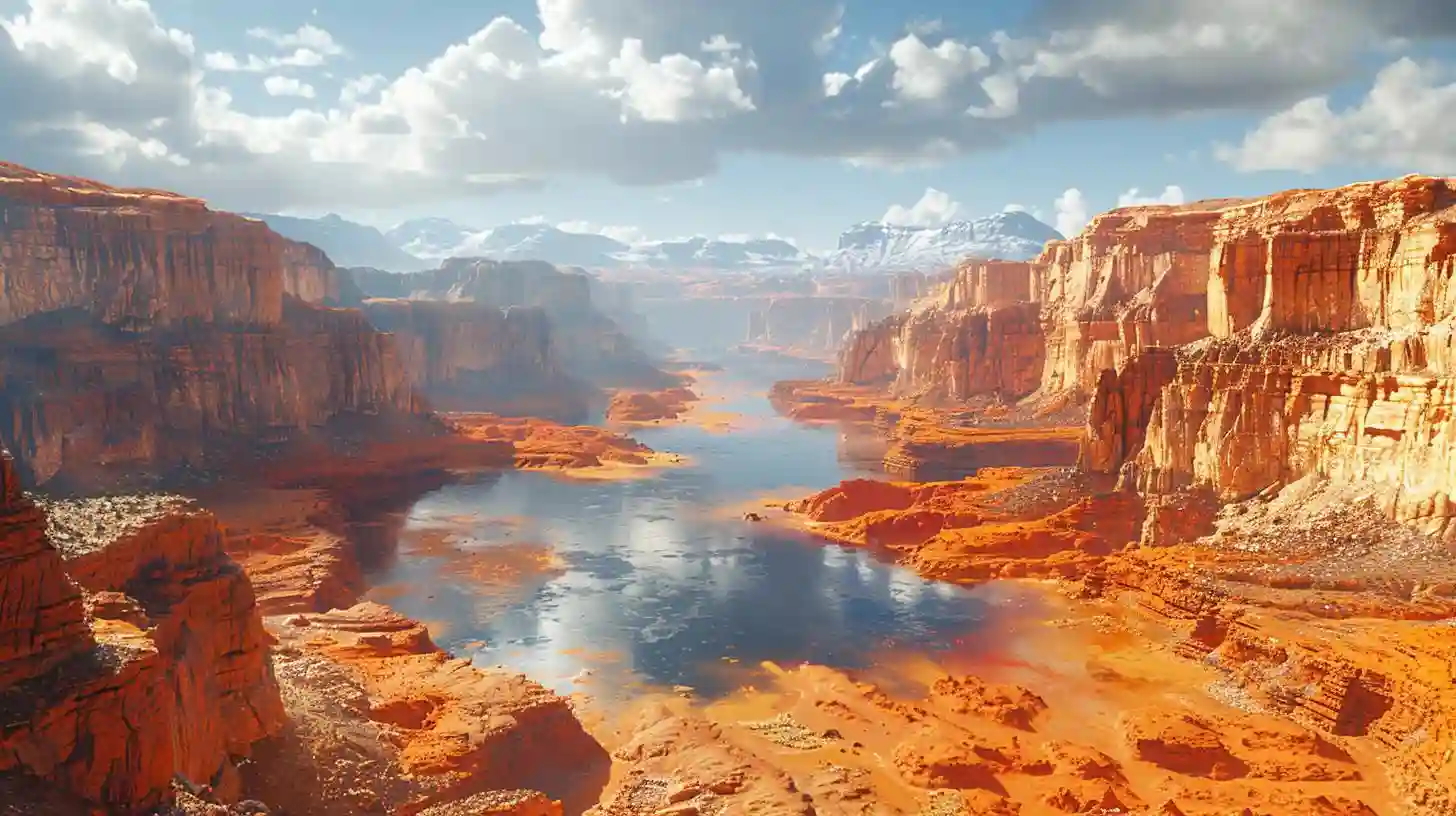
Canyons are living records of geological time, yet they face unprecedented challenges as climate change accelerates and human activity introduces new pollutants. Rising temperatures and shifting precipitation patterns alter erosion rates, destabilize slopes, and threaten the delicate ecosystems that have adapted over millennia. Predictive models can anticipate these transformations by integrating climate projections with hydrological, geological, and biological data. By simulating how water flow, sediment transport, and vegetation respond to future conditions, scientists can identify areas most vulnerable to landslides, flash floods, or species decline.
Pollution introduces another layer of complexity. Atmospheric deposition of heavy metals, microplastics, and chemical runoff can accumulate in canyon soils and waterways, subtly reshaping nutrient cycles and threatening biodiversity. Predictive frameworks that combine pollutant transport models with ecological monitoring enable early identification of contamination hotspots and inform mitigation strategies before damage becomes irreversible. Such models rely on continuous data inputs, from remote sensing to in-situ sensors, allowing dynamic adaptation as conditions evolve.
The strength of these approaches lies not only in anticipating negative impacts but also in guiding proactive management. Restoration of native vegetation, controlled water flow interventions, and targeted cleanup efforts can be timed and tailored according to model forecasts, optimizing resources while minimizing ecological disruption. Collaboration across disciplines, from climatology to geomorphology, ensures that models remain grounded in both scientific rigor and practical applicability. By embracing predictive modeling, canyon conservation transforms from reactive preservation to anticipatory stewardship, providing a roadmap to safeguard these intricate landscapes against the twin pressures of climate change and pollution.
This integration of foresight, technology, and ecological understanding allows human intervention to harmonize with natural processes, preserving both the physical structure and the ecological vibrancy of canyons for generations to come.