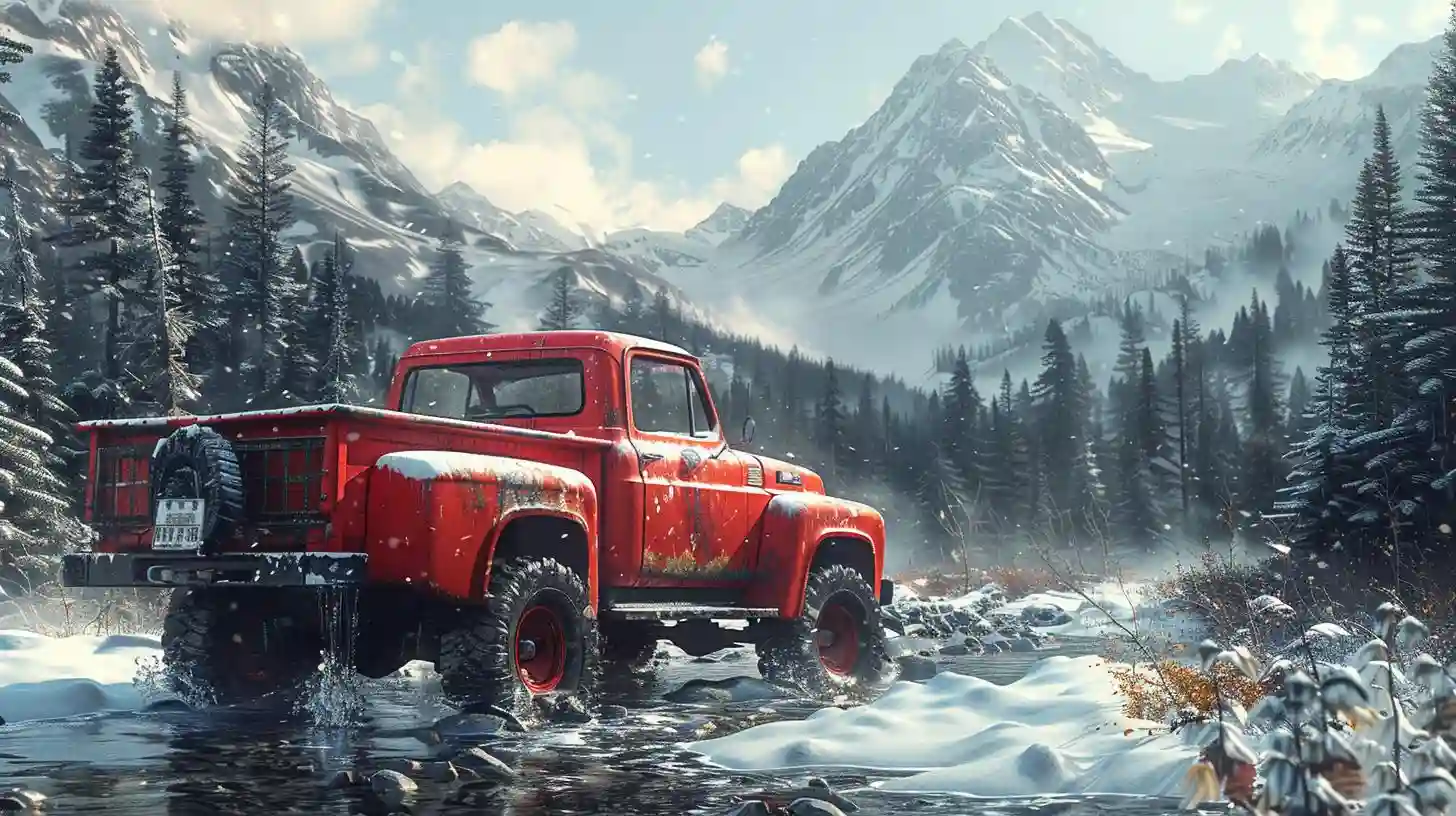
The pickup truck began its life as a purely utilitarian vehicle, built to endure the demands of work sites, farms, and rugged terrain. Early models were simple, sturdy, and unadorned, designed to carry heavy loads and withstand long hours of labor. Their appeal lay in practicality rather than style, and their presence on roads signaled diligence and resilience rather than lifestyle or status. Over the decades, however, the pickup truck evolved alongside changing social and economic patterns, gradually transforming from a workhorse into a versatile vehicle with broader cultural significance.
As suburban expansion and recreational pursuits grew in the mid-twentieth century, pickups became increasingly accessible to everyday families and weekend adventurers. Their functionality expanded beyond hauling materials, accommodating leisure activities such as camping, boating, and off-road exploration. Manufacturers began emphasizing comfort, cabin technology, and design aesthetics, blurring the line between commercial utility and personal enjoyment. This shift reflected a broader societal trend where vehicles became extensions of identity, signaling values and aspirations rather than merely serving practical purposes.
The modern pickup embodies this duality, capable of both heavy-duty work and refined personal transport. High-end trims feature leather interiors, advanced safety systems, and powerful engines that appeal to those seeking performance alongside status. Marketing campaigns increasingly frame pickups as symbols of independence, capability, and rugged sophistication, appealing to consumers who value both image and substance. The truck’s evolution mirrors a cultural narrative in which strength, reliability, and personal expression converge, allowing a once purely functional machine to carry meaning far beyond its original role.