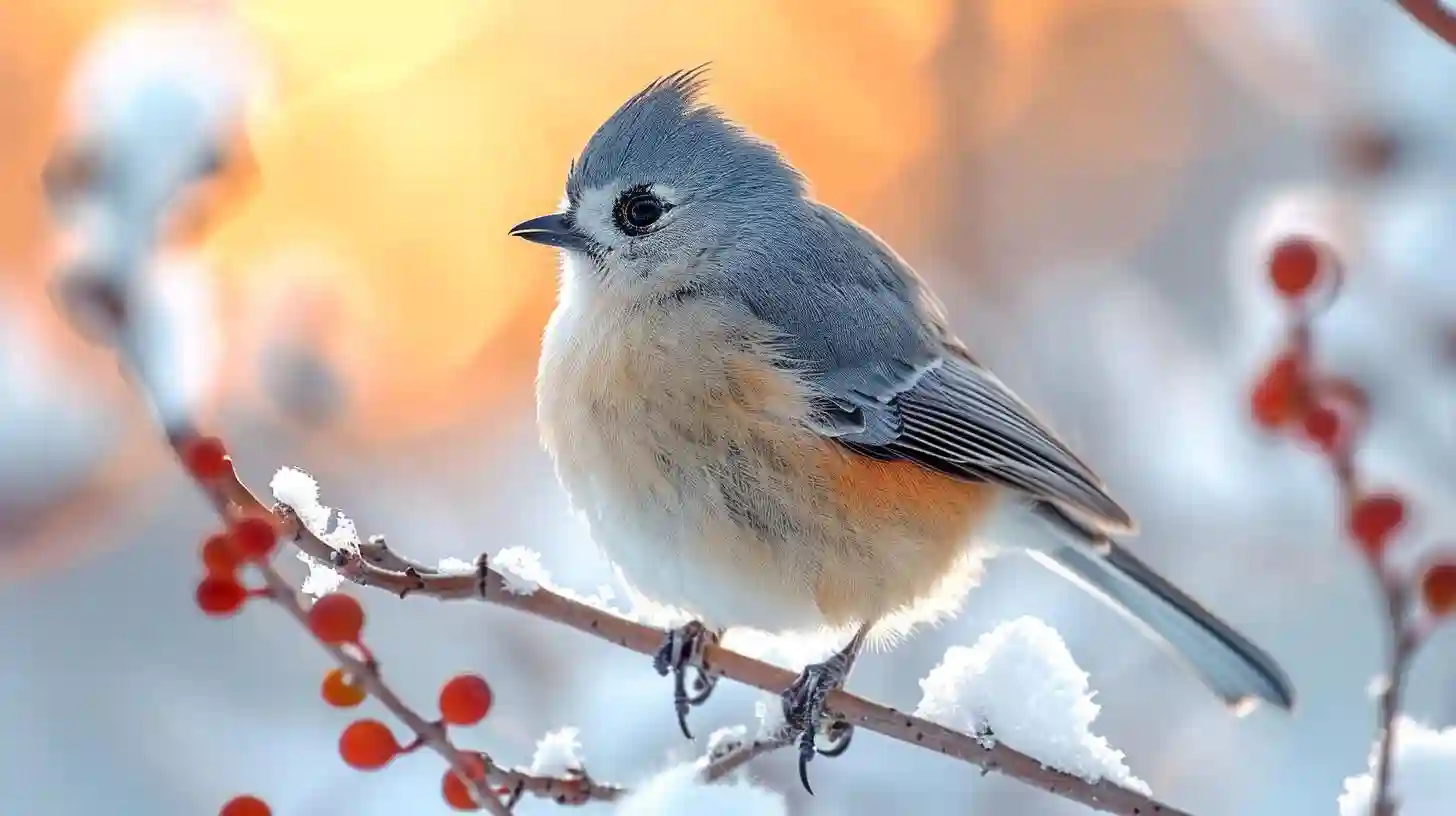
Titmice, small but perceptive birds, are often overlooked as potential indicators of environmental change. However, their behavior offers valuable insights into the subtle shifts occurring in ecosystems due to climate change. As warm-blooded creatures, titmice are highly attuned to fluctuations in temperature, seasonal changes, and food availability. These birds are among the first to adapt to new environmental conditions, making their patterns of activity a useful gauge of broader ecological shifts.
One striking behavior that reveals environmental changes is their timing in migration and breeding. Warmer temperatures have led to earlier springs, prompting titmice to breed earlier than they did in the past. This shift, though seemingly minor, can have significant consequences on their food supply and the balance of local ecosystems. When insect populations, for example, do not align with the birds' earlier nesting schedules, it can result in mismatched timing between when the young are born and when food is most abundant.
Similarly, shifts in winter behavior also provide valuable data. Titmice have been observed changing their foraging habits, often venturing into areas that were previously inhospitable. As climate zones shift, birds adjust their ranges to find suitable habitats, sometimes encroaching on urban environments or altering their feeding times to adapt to longer, milder winters.
Through these changes in their day-to-day activities, titmice give us a window into the broader environmental transformations occurring around us. The adjustments they make in response to climate change not only highlight the challenges faced by wildlife but also underscore the interconnectedness of species within ecosystems, where even small shifts can ripple through food webs and lead to unforeseen consequences.