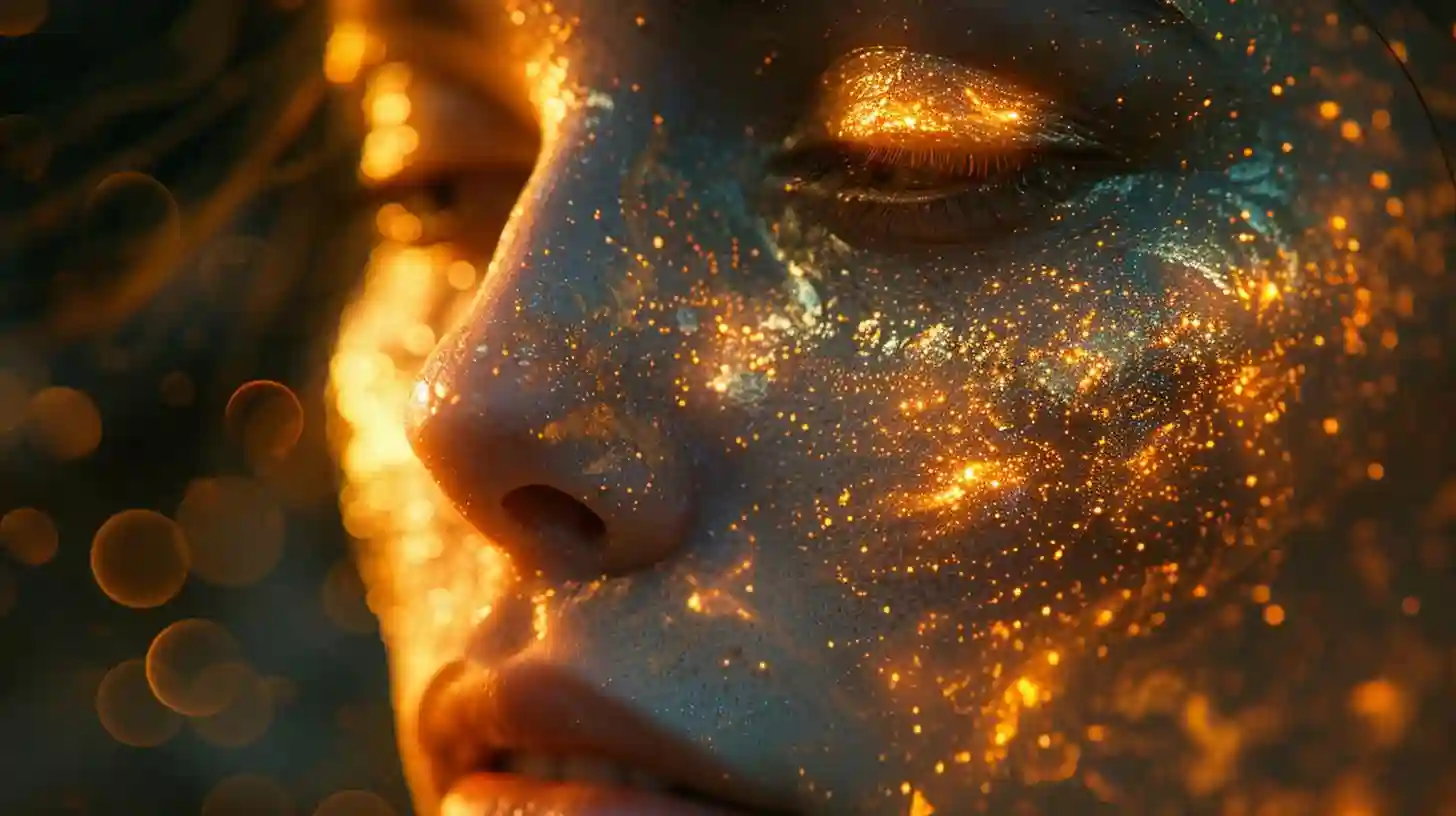
Advances in neuroimaging and wearable technology are illuminating aspects of dreams that were once shrouded in mystery. Brain scans can now reveal the neural patterns associated with specific dream content, allowing researchers to observe the dynamic interplay between memory, emotion, and imagination while a person sleeps. This capacity to visualize the architecture of dreaming challenges traditional notions of consciousness as a static or singular experience, revealing it instead as a fluctuating landscape where cognition and emotion intertwine.
Artificial intelligence and machine learning are extending this exploration by analyzing vast datasets of sleep activity, uncovering subtle correlations between brain states and the vividness or emotional tone of dreams. These tools are not only refining our understanding of individual dreaming but also hinting at universal principles that govern the subconscious mind. Through immersive technologies like virtual reality, researchers can even simulate dreamlike states in controlled environments, offering insight into how perception and self-awareness interact when external sensory input is minimized.
The integration of technology with dream research also raises profound questions about the boundaries of consciousness. By mapping patterns of neural activity and decoding dream content, we gain a window into experiences that exist entirely within the mind, challenging assumptions about what it means to be aware or awake. As these methods become more sophisticated, they suggest that consciousness is not merely a byproduct of waking thought but a continuum that extends across both sleep and wakefulness, shaped by both neural circuitry and subjective experience. The interplay between technological innovation and the human mind is revealing consciousness as an evolving, dynamic process rather than a fixed state, offering unprecedented opportunities to explore the hidden depths of perception and cognition.