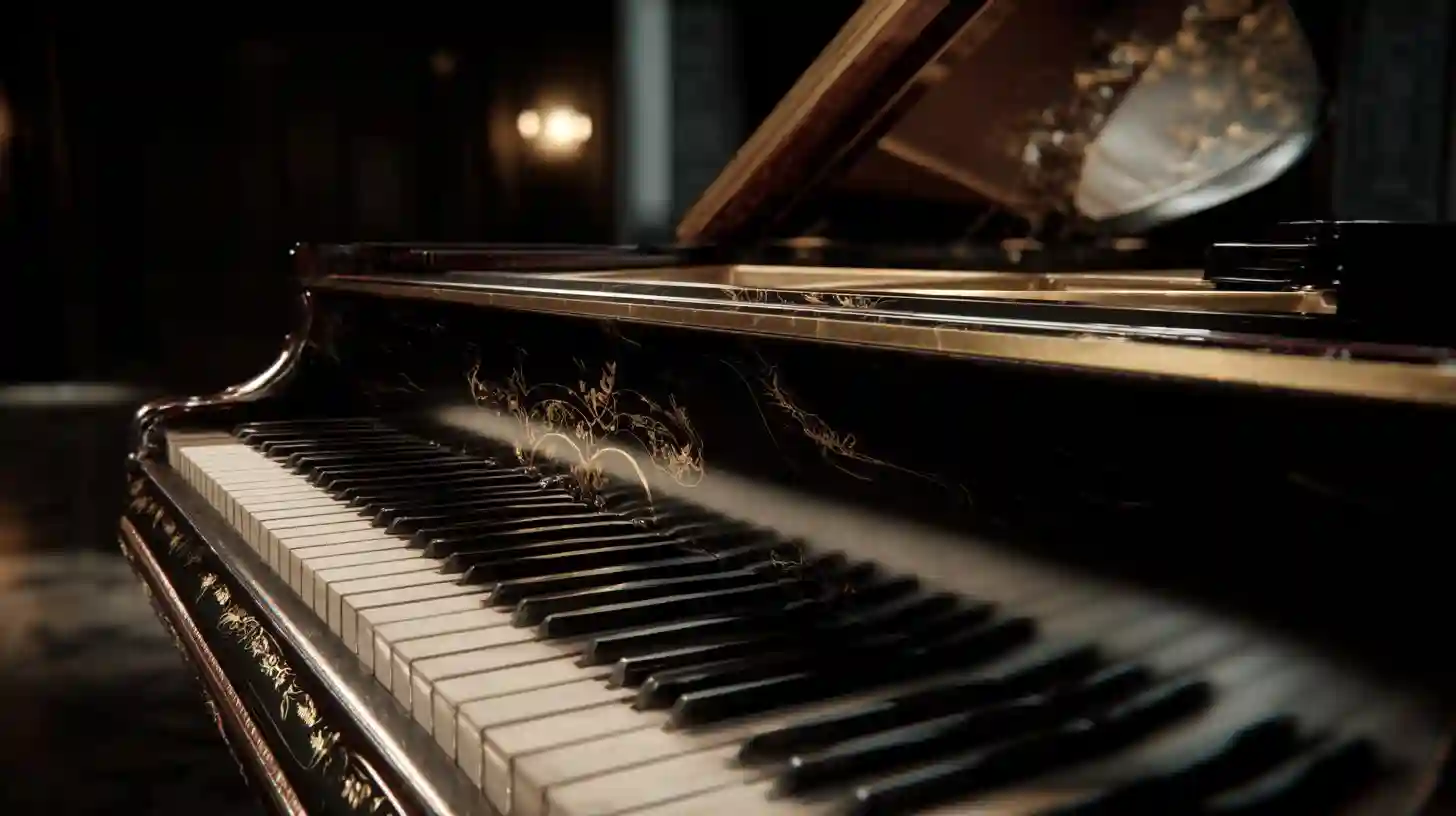
The piano has undergone a profound transformation, reflecting the changes in musical styles and technological advancements from classical to contemporary genres. During the classical era, the piano was primarily used as a solo instrument or as accompaniment for smaller ensembles. It was built with a lighter frame and fewer keys, offering a softer, more delicate sound. The key touch was lighter, and the range of dynamics was more limited compared to modern pianos. Composers like Beethoven, Mozart, and Haydn utilized the piano to explore intricate harmonic structures and melodic lines, but the instrument's sound was still confined by its mechanical limitations.
As the 19th century progressed, the industrial revolution brought about technological innovations that allowed piano manufacturers to improve the instrument’s construction. The addition of iron frames made the pianos more durable and capable of withstanding the increased tension of stronger strings. This change allowed for a more powerful and resonant sound. The range of the piano expanded, and composers such as Chopin, Liszt, and Brahms pushed the boundaries of what was possible with the piano. They began to explore more complex rhythms, harmonies, and emotional expressions, creating a broader sound palette. The piano became not only an instrument of precision but also one of expressive capability.
In the 20th century, the evolution of the piano continued with the rise of jazz, blues, and other contemporary genres. The construction of pianos adapted to the changing needs of these styles. Jazz pianists, for example, required instruments that could produce a sharper, more percussive sound, capable of keeping up with the fast tempos and intricate improvisations. The modern piano, while still using many of the same basic materials, underwent further refinements. The introduction of electric pianos and synthesizers in the mid-20th century marked a significant shift in the piano’s role in popular music. These electronic versions of the instrument offered new sounds and possibilities, expanding the piano’s use beyond classical and jazz into rock, pop, and electronic music.
Today, the piano continues to evolve, with digital pianos and software offering a range of possibilities that stretch the boundaries of acoustic instruments. The piano remains a cornerstone in a wide range of musical genres, from film scores to contemporary classical compositions, maintaining its versatility while adapting to modern musical demands.