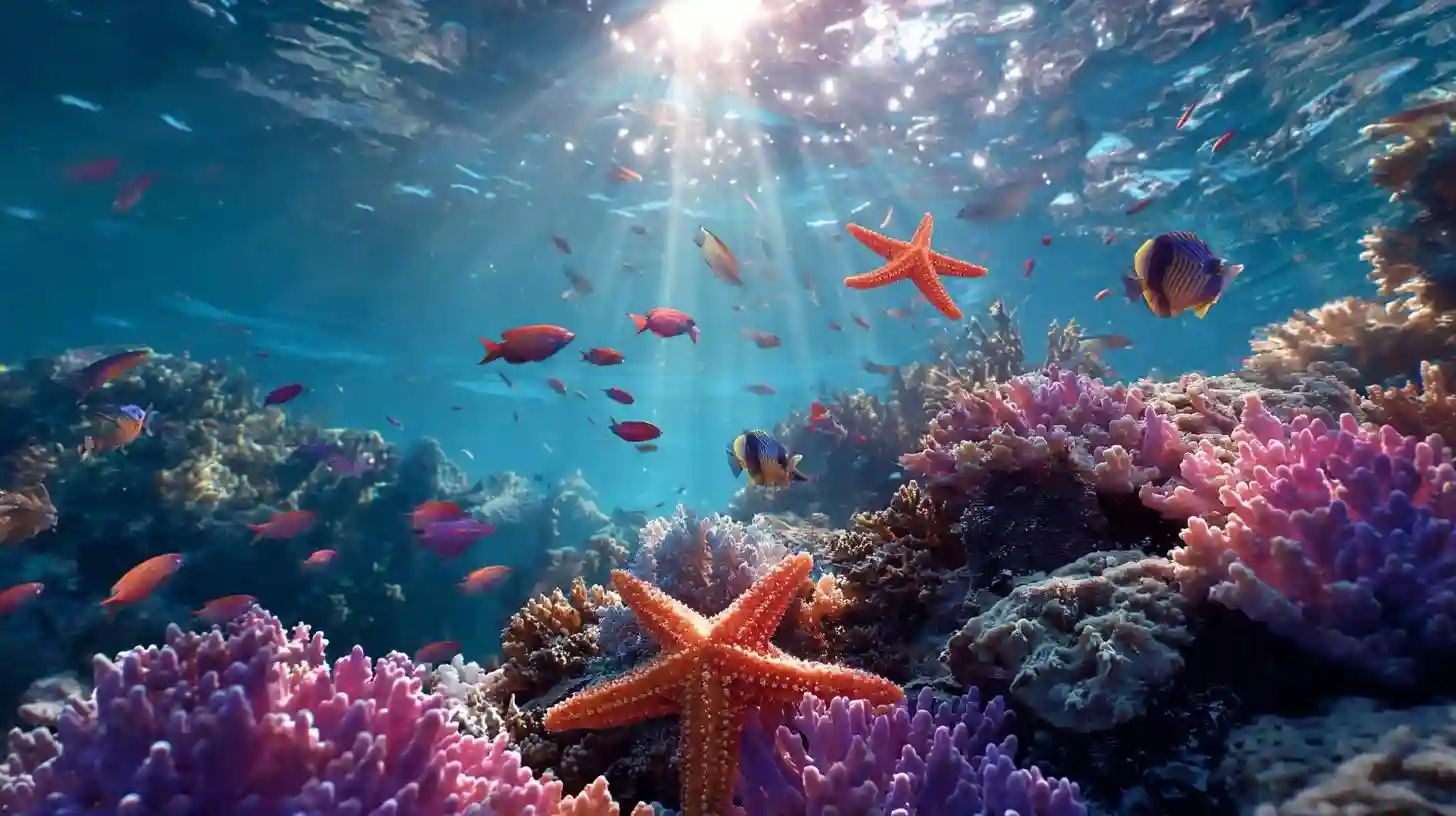
Sustainable tourism has become increasingly important as the impact of human activities on the environment continues to grow. The marine ecosystem, home to countless species and vital to global ecological balance, faces numerous threats from unsustainable tourism practices. In an era where more people are visiting coastal areas, the need for responsible tourism practices to protect marine life has never been more urgent. Visitors must become more aware of how their actions can either harm or help the oceans and marine species.
One of the most critical aspects of sustainable tourism is the reduction of waste and pollution. Plastic waste is one of the biggest contributors to marine pollution, often ending up in the ocean and harming marine life. Tourists should avoid single-use plastics and support businesses that promote reusable products, such as water bottles and shopping bags. Additionally, many coastal areas now offer beach clean-up activities, which tourists can participate in, helping to directly reduce the amount of waste that enters the water.
Another essential practice is supporting eco-friendly and responsible tour operators. Activities such as snorkeling, diving, and boat tours can have negative consequences on marine ecosystems if not conducted with care. Coral reefs, in particular, are extremely fragile and can be damaged by human contact or by boats anchored too close to the reef. Tourists should seek out operators who follow strict guidelines to protect these sensitive environments, such as limiting the number of visitors at a time and avoiding the use of anchors in delicate areas.
Respecting marine wildlife is another crucial element. Disturbing marine animals, whether by feeding them or approaching them too closely, can cause stress and disrupt their natural behaviors. Tourists should choose experiences that emphasize observation rather than interaction, ensuring that wildlife is not harmed or exploited for entertainment purposes.
Sustainable accommodations also play a vital role in protecting marine life. Many beachfront hotels and resorts are now adopting eco-friendly practices, such as using renewable energy sources, reducing water consumption, and ensuring proper waste disposal. Supporting these businesses helps encourage more establishments to adopt sustainable practices that reduce their environmental footprint.
Lastly, education is key. Tourists must be educated on the local marine environment, its species, and the threats it faces. Knowledge about the delicate balance of marine ecosystems can lead to more conscientious behavior. By understanding how their actions can affect marine life, tourists are more likely to engage in practices that support long-term conservation efforts.