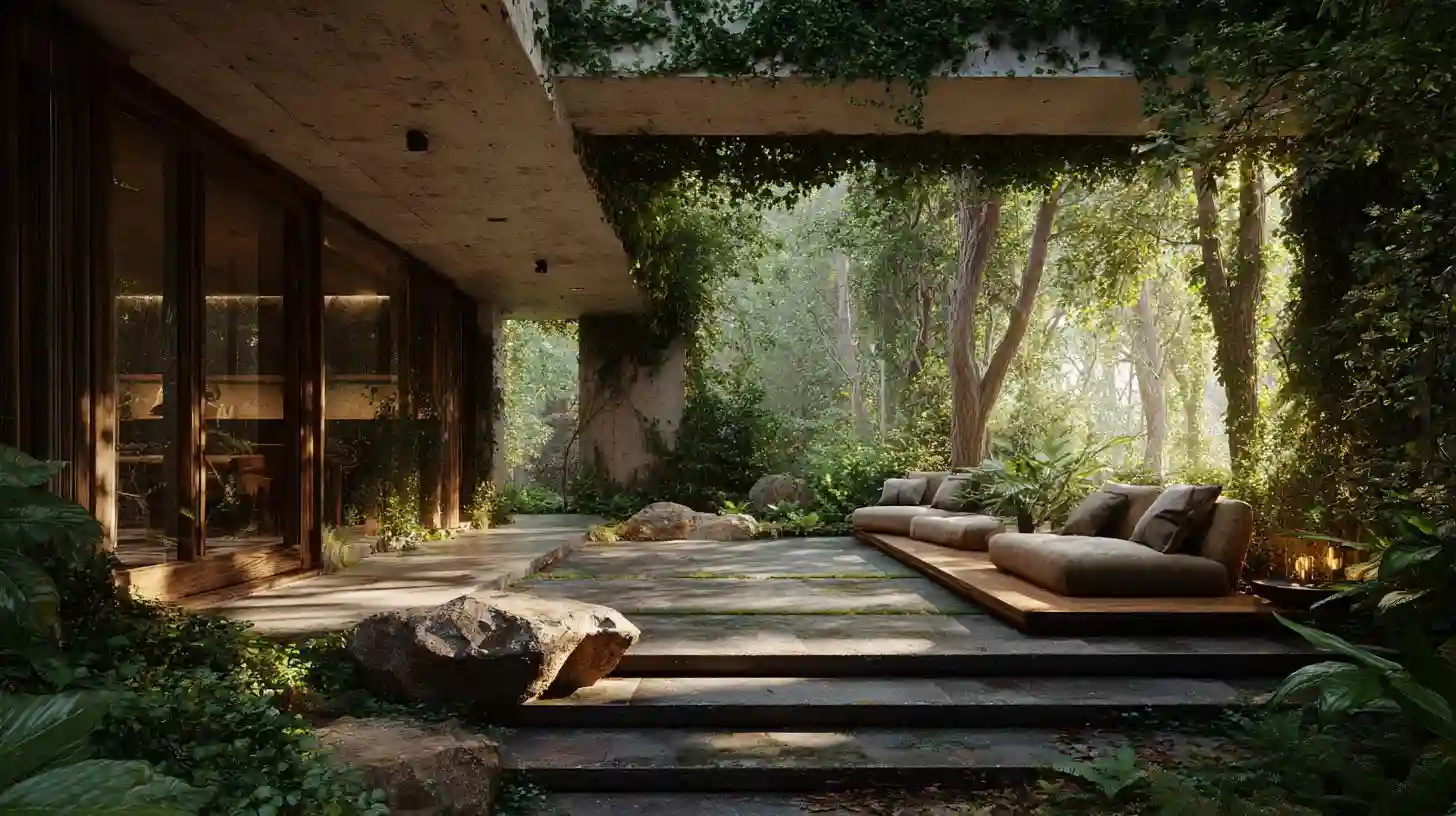
Biophilic design integrates nature into the built environment to improve the health, well-being, and quality of life for its inhabitants. It draws inspiration from the inherent human connection to nature, aiming to bridge the gap between indoor and outdoor spaces. This design approach often includes natural elements such as plants, natural lighting, water features, and natural materials like wood and stone. The idea behind biophilic design is to create spaces that evoke feelings of peace, relaxation, and vitality, benefiting both mental and physical health. For families, it can have a profound impact by fostering environments that support family interaction, reduce stress, and enhance cognitive function. Natural light, for instance, regulates circadian rhythms, improves sleep quality, and boosts mood, making homes feel brighter and more inviting. The presence of plants not only beautifies the space but also purifies the air, making it healthier for everyone, especially in homes with children. Bringing nature inside through design elements like large windows, open spaces, and gardens can encourage family members to spend more time in communal areas, enhancing social connections. Additionally, incorporating natural textures and colors, like stone or wood finishes, can create a calming atmosphere that promotes relaxation and well-being. The integration of water features like indoor fountains can have a soothing effect, helping to reduce noise pollution and increase a sense of tranquility. The goal is not just to create an aesthetically pleasing space but to build environments that support the physical and emotional needs of the family, encouraging healthier lifestyles. Biophilic design offers a solution to the growing need for sustainable and human-centered living spaces that prioritize well-being while maintaining a deep connection to nature.