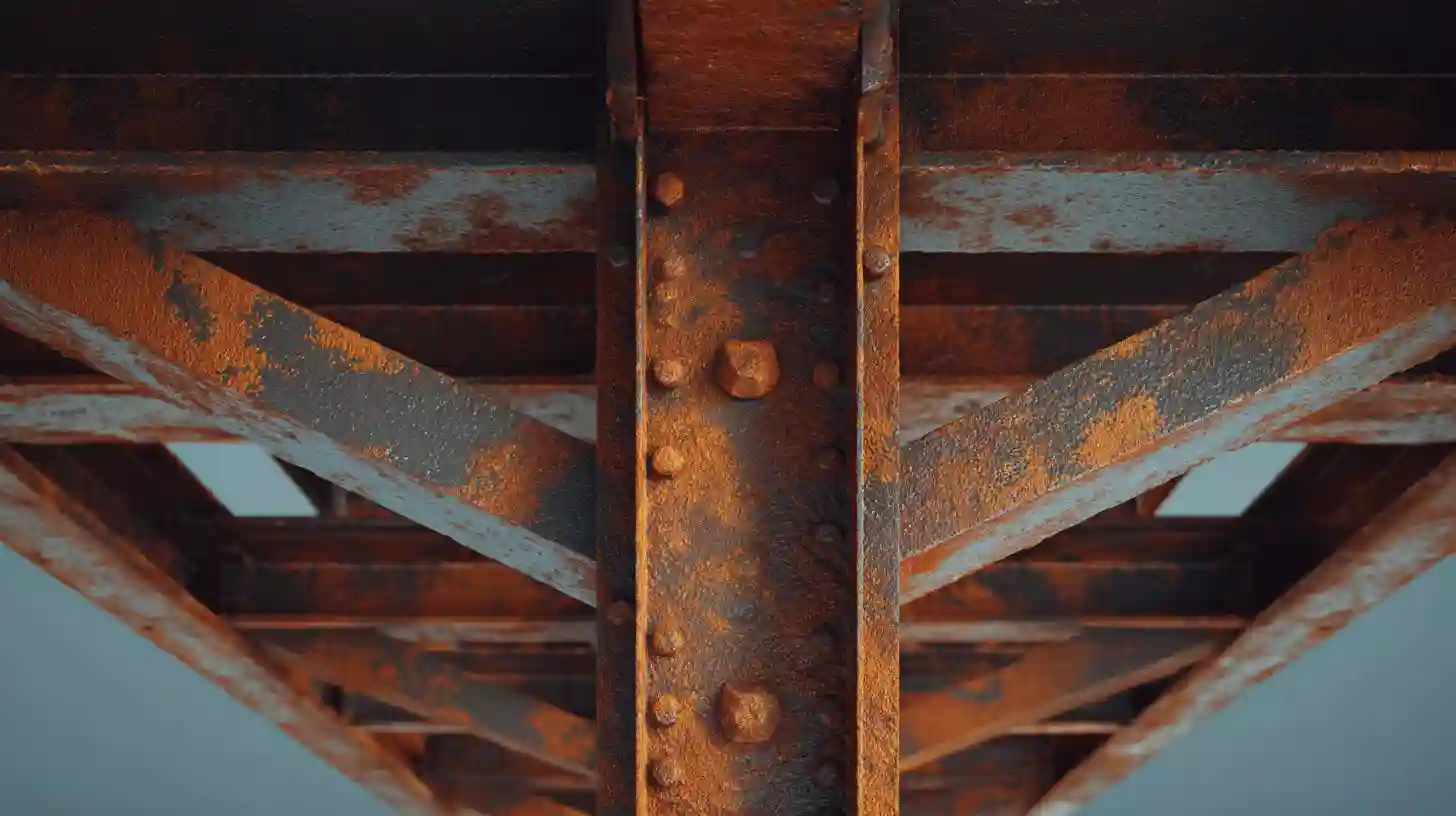
Rust is a major factor in the deterioration of infrastructure such as bridges and roads. As a naturally occurring process, rust forms when iron and steel are exposed to moisture, oxygen, and other environmental factors. Over time, the metal starts to corrode, weakening its structural integrity. Bridges and roads made from steel are particularly vulnerable to this process. When rust sets in, it causes the metal to expand and crack, leading to further damage. The presence of rust accelerates the weakening of the materials, resulting in the potential for dangerous structural failures. Bridges, which are often exposed to harsh weather conditions, are at a higher risk of rust damage. Moisture from rain, snow, and humidity can easily get into the joints and cracks of a bridge, creating an ideal environment for corrosion to start. Furthermore, the salting of roads during winter increases the likelihood of rust formation by introducing chloride ions that speed up the corrosion process. Roadways that have metal components or steel reinforcements can also suffer from rust. Over time, the rust can cause the metal to weaken, which can compromise the overall safety of the road. Rust not only affects the physical safety of bridges and roads but also has a financial impact. The cost of repairs and maintenance increases significantly when corrosion becomes a major issue. Regular inspections and timely interventions are crucial in preventing rust from reaching a critical point. Protective coatings, rust inhibitors, and proper drainage systems are commonly used to slow down the effects of rust. However, despite these efforts, the battle against rust remains an ongoing challenge. The combination of environmental exposure, the materials used in construction, and the aging process of infrastructure all contribute to the toll rust takes on the longevity of bridges and roads.