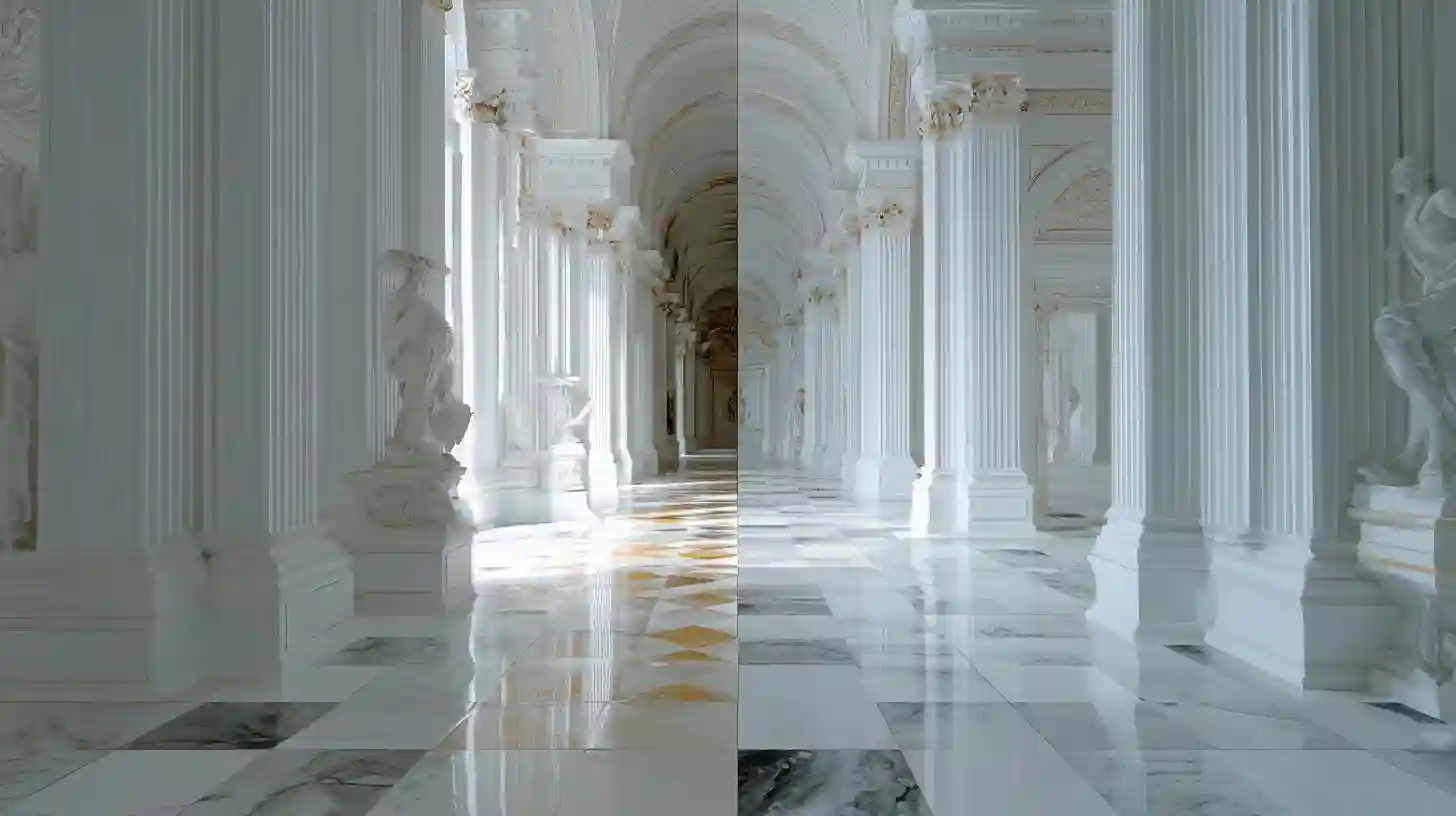
Classical art has left an indelible mark on contemporary design, shaping both aesthetic principles and conceptual frameworks that continue to resonate in modern creative practices. The balance, proportion, and harmony emphasized in classical sculpture and architecture serve as foundational guides for designers today, influencing the way spatial arrangements, forms, and visual hierarchies are approached. The careful study of light and shadow in Renaissance paintings, for example, informs contemporary approaches to color grading, interior lighting, and even digital rendering, creating a dialogue between historical techniques and current technological possibilities. Classical motifs, such as columns, friezes, and geometric patterns, are frequently reinterpreted in modern furniture, fashion, and product design, where their timeless elegance lends a sense of continuity and cultural depth. Beyond visual aesthetics, classical art instills a philosophical dimension in contemporary design, encouraging a consideration of human experience, symbolism, and narrative within creative work. The narrative techniques in epic paintings and sculptural storytelling inspire designers to embed meaning and context in branding, architectural spaces, and multimedia projects, making designs more engaging and resonant with audiences. Techniques of ornamentation and detail found in Baroque and Rococo works are often translated into modern decorative elements, demonstrating that careful craftsmanship and attention to detail remain valuable in an era dominated by mass production and digital fabrication. Furthermore, the revival of classical principles in contemporary design fosters a sense of timelessness, bridging the gap between tradition and innovation. This interplay between past and present allows designers to experiment with historical references while adapting them to contemporary needs, resulting in work that feels both rooted and forward-looking. The enduring influence of classical art demonstrates that principles of balance, proportion, and expressive storytelling continue to be vital components in the evolution of visual culture, guiding creative minds across disciplines and inspiring fresh interpretations that honor the legacy of the past while shaping the aesthetics of the future.