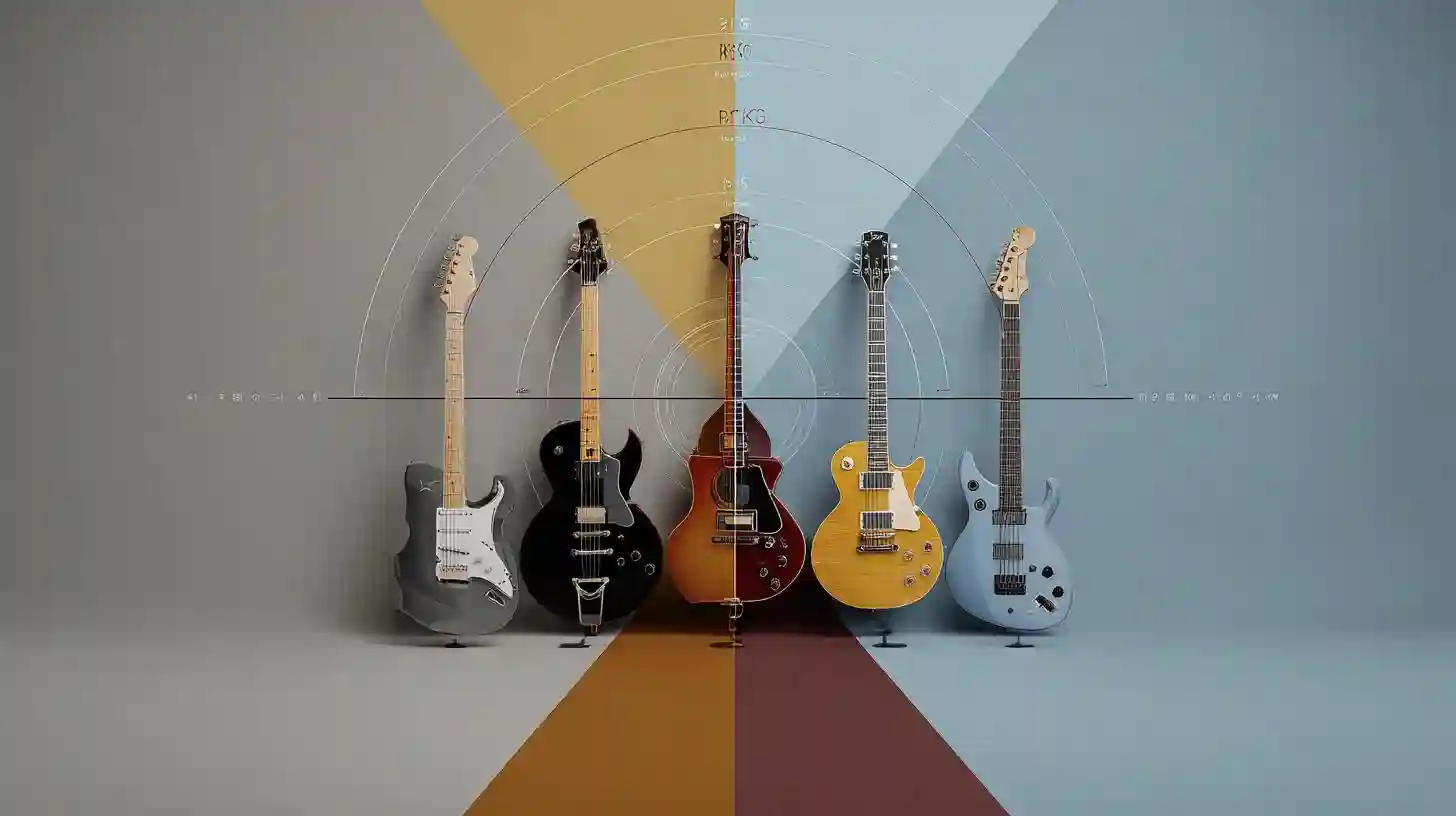
Guitar playing styles have undergone a significant evolution over the decades, each era bringing unique innovations and techniques to the forefront. In the early years of guitar music, the instrument was primarily used in folk and traditional settings. The focus was on strumming simple chords and creating rhythmic patterns, with a strong emphasis on accompaniment rather than solo performance. The acoustic guitar was the dominant choice, and players often relied on basic techniques like fingerpicking and flatpicking to express themselves.
As the 20th century progressed, the guitar began to play a more prominent role in popular music. In the 1940s and 1950s, the rise of electric guitars revolutionized the music scene, and with it, the development of new playing styles. Artists like Chuck Berry and Carl Perkins introduced fast, energetic soloing and intricate chord progressions that influenced the burgeoning rock and roll genre. Guitarists started using techniques like string bending, vibrato, and rapid picking to create more expressive and dynamic sounds.
The 1960s marked a period of experimentation and boundary-pushing, with guitarists exploring more advanced techniques. Jimi Hendrix, for example, was known for his innovative use of distortion, feedback, and the whammy bar. His approach to playing was a blend of blues, rock, and psychedelia, influencing countless players in his wake. During this time, fingerstyle playing also gained popularity, particularly in the folk and acoustic music scenes, with artists like Bob Dylan and Paul Simon showcasing intricate fingerpicking patterns.
In the 1970s, the emergence of hard rock and heavy metal further transformed guitar playing. Guitarists like Jimmy Page and Eddie Van Halen brought forward the use of faster, more technical playing, incorporating tapping, sweep picking, and advanced soloing techniques. These developments led to the rise of virtuosity in guitar playing, where skill and speed became highly valued.
The 1980s and 1990s saw a shift towards more genre-specific styles. The rise of metal, punk, and alternative rock led to the development of new techniques and sounds. Metal guitarists began using down-tuned guitars and palm muting to create a heavier, more aggressive tone. At the same time, the growth of fingerstyle guitar continued, particularly in the world of classical and contemporary acoustic music. Jazz guitar also evolved, with players like Pat Metheny and John Scofield incorporating complex chord changes, improvisation, and unique tonal approaches into their music.
In the present day, guitar playing styles continue to evolve as technology and musical tastes shift. Digital effects and software have allowed guitarists to experiment with new sounds, and hybrid styles are emerging as genres like indie, electronic, and progressive rock influence one another. Guitarists today are not confined by traditional boundaries, blending techniques from across genres and embracing new technologies to push the limits of what the instrument can do.