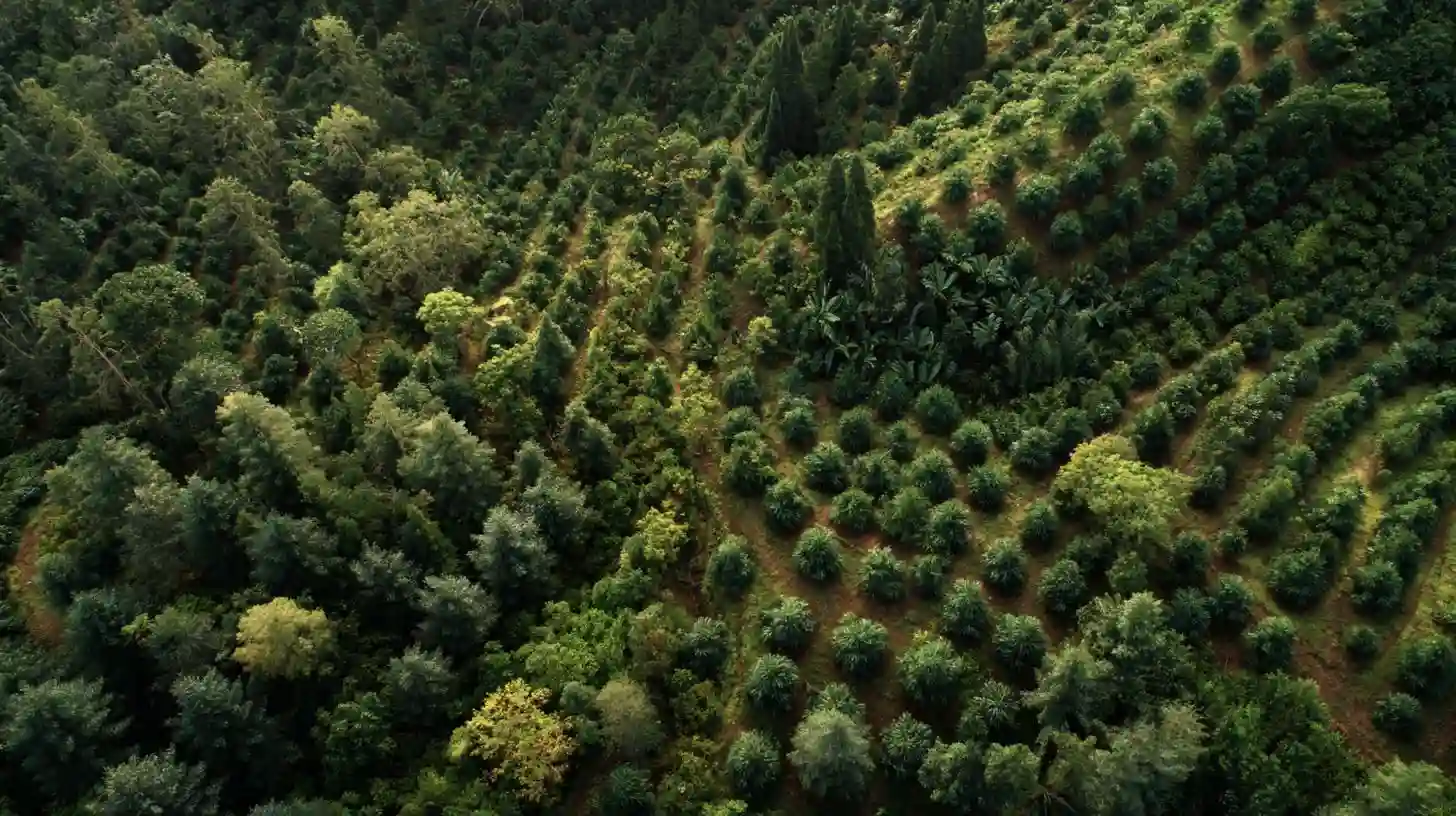
Agroforestry is a sustainable land-use practice that integrates trees and shrubs into agricultural systems. This practice provides numerous benefits, particularly in the fight against climate change. By combining trees with crops or livestock, agroforestry creates a more resilient environment, offering solutions to some of the most pressing ecological challenges. Trees in agroforestry systems help sequester carbon dioxide, a major greenhouse gas responsible for global warming. They absorb carbon from the atmosphere and store it in both the biomass and the soil, which can mitigate the effects of climate change over time. Additionally, agroforestry systems often lead to improved soil health. The deep roots of trees help prevent soil erosion, while the organic matter from fallen leaves and branches enhances soil fertility. This is especially valuable in regions where conventional agriculture has led to soil degradation. The biodiversity in agroforestry systems also plays a critical role in combatting climate change. By creating diverse ecosystems, agroforestry provides habitats for a wide range of species, which in turn supports pollination, pest control, and the overall stability of local ecosystems. This diversity can help increase resilience to climate-induced disruptions like droughts or floods. Furthermore, agroforestry has economic advantages for farmers. By diversifying income sources through the cultivation of tree crops, such as fruit, nuts, or timber, alongside traditional farming, agroforestry offers financial stability. The additional resources generated through agroforestry practices can reduce dependency on external inputs like chemical fertilizers or pesticides, further contributing to environmental sustainability. Agroforestry also plays a role in water management. Trees can improve water infiltration and help regulate the water cycle, reducing surface runoff and improving water availability for crops. In regions where water scarcity is a concern, this can be a particularly important benefit. In rural areas, where agriculture is often the backbone of local economies, agroforestry can provide an essential buffer against the unpredictable effects of climate change. By integrating trees into farming systems, agroforestry promotes long-term sustainability while contributing to the global effort to mitigate climate change.