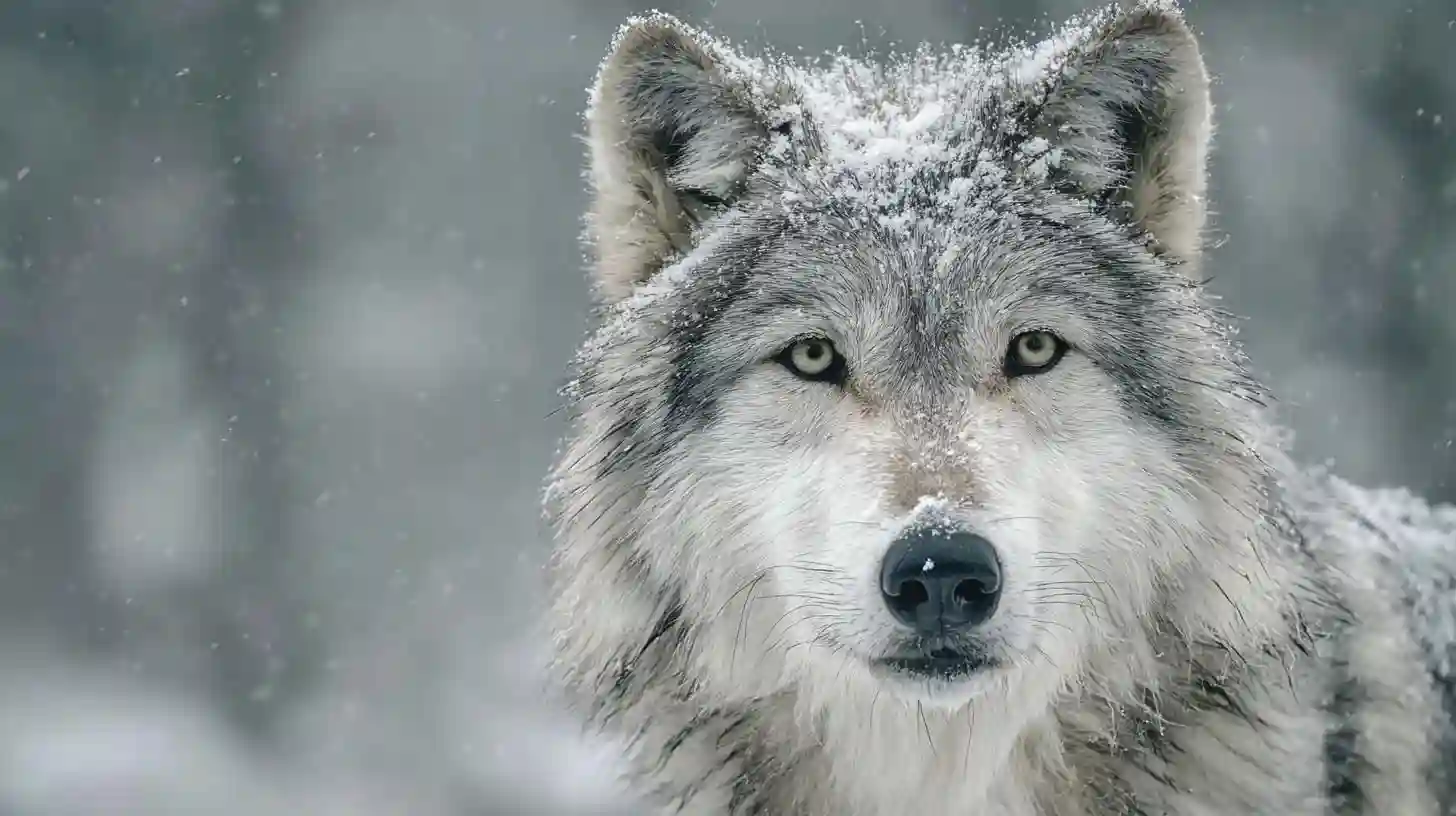
Gray wolves, once abundant across vast areas of North America, faced near extinction by the early twentieth century due to hunting, habitat destruction, and human encroachment. Over the years, various conservation efforts have been initiated to protect and recover the species, often involving reintroduction programs, legal protections, and habitat restoration. The recovery of the gray wolf has been a complicated journey, filled with both challenges and successes. One of the major hurdles faced by conservationists has been opposition from local communities, particularly ranchers, who see wolves as a threat to livestock. The misconception that gray wolves are a significant danger to human populations has also fueled animosity toward the species. While gray wolves are known for their efficiency in hunting wild prey, they generally avoid human contact, which often goes unrecognized by those fearful of them. Managing wolf populations requires a careful balance between safeguarding the species and addressing the concerns of those living in areas where wolves are reintroduced. Legal protections such as the Endangered Species Act in the United States have played a significant role in preventing the extinction of gray wolves. Through this protection, hunting and trapping of wolves were heavily restricted, and recovery efforts were supported with funding and resources. One of the most significant successes in gray wolf conservation came in the late twentieth century with the reintroduction of wolves to Yellowstone National Park. This initiative saw the once-declining wolf population in the park grow and thrive, benefiting the ecosystem as a whole. Wolves helped regulate elk populations, which in turn led to the regeneration of vegetation and the recovery of other species. This successful reintroduction highlighted the positive impact of wolves on their ecosystems, proving that their presence can be crucial for maintaining ecological balance. Despite such successes, challenges still exist. Some regions continue to struggle with wolf-human conflicts, and poaching remains a threat to their recovery. Additionally, climate change and habitat loss present long-term challenges for gray wolf populations. As human development expands, gray wolves must navigate an increasingly fragmented landscape, making it harder for them to thrive. Still, the story of the gray wolf’s conservation is a testament to the resilience of wildlife and the power of thoughtful conservation efforts to reverse the damage done by past human actions. The ongoing protection and recovery of gray wolves remind us that, while challenges remain, success is possible when we work toward coexistence.