When designing a garden pathway, choosing the right materials is essential for both aesthetic appeal and functionality. There are several factors to consider, including the overall style of the garden, the amount of foot traffic the path will endure, the weather conditions of the area, and the maintenance required for each material.
One of the most popular materials for garden pathways is gravel. It is versatile, affordable, and comes in various colors and textures, making it easy to match any garden design. Gravel also provides excellent drainage, which is particularly beneficial in areas that experience heavy rainfall. However, it can shift underfoot, and occasional replenishing may be required to maintain an even surface.
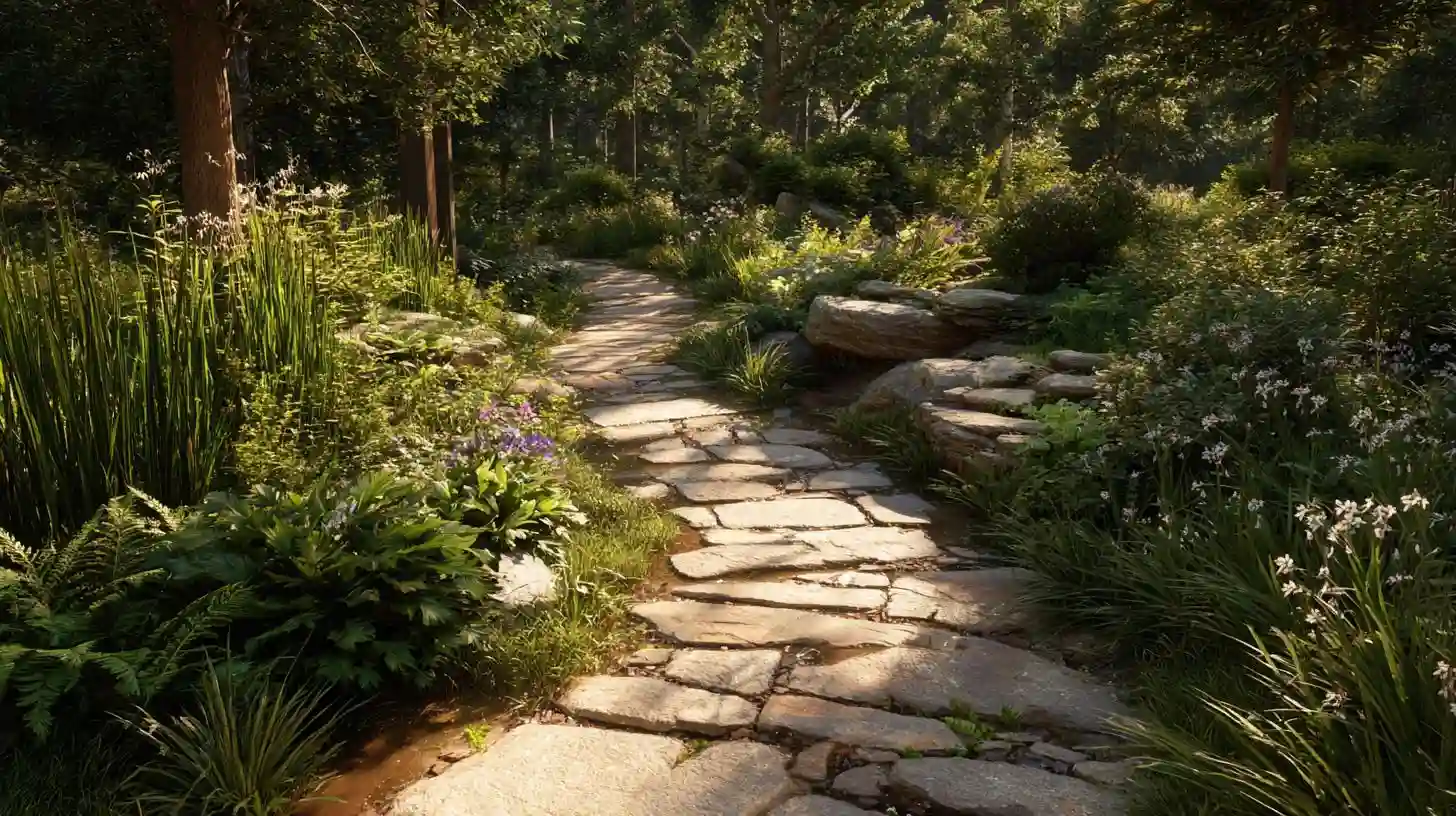
Flagstones are another widely used material for garden paths, known for their natural look and durability. These flat stones come in different shapes, sizes, and colors, giving you the freedom to create a customized look. Flagstones provide a solid, stable walking surface, though they can be expensive and heavy to install. If the path is not properly leveled or the stones are not spaced correctly, they may become uneven over time.
For a more formal or refined appearance, consider using concrete pavers. They are available in a wide range of shapes, sizes, and colors, allowing you to create a path that complements your garden’s design. Concrete pavers are easy to maintain and are highly durable. However, they can be slippery when wet, so adding a non-slip coating or texture may be necessary for safety.
Wood is a natural choice that offers a rustic charm to any garden. Wooden planks or logs can be laid down to create a path that blends seamlessly with the surrounding landscape. Wood is relatively easy to install, though it requires regular maintenance to prevent rot, warping, and weather damage. It is best suited for areas with light to moderate foot traffic.
Another option for garden pathways is brick. Known for its classic appearance, brick provides a timeless, sturdy solution for walkways. Bricks are easy to install, and they provide a smooth and durable surface for walking. However, over time, the mortar between the bricks may deteriorate, requiring occasional repairs.
For an eco-friendly option, consider using recycled materials such as reclaimed wood, old bricks, or crushed concrete. These materials offer a sustainable way to create a beautiful and functional garden path while reducing environmental impact. Recycled materials can add character to the pathway, giving it a unique and personal touch.
The right material for your garden pathway depends on your specific needs and preferences. Whether you choose gravel, flagstones, pavers, wood, brick, or recycled materials, it is important to consider durability, aesthetics, and maintenance to create a beautiful and lasting path in your garden.