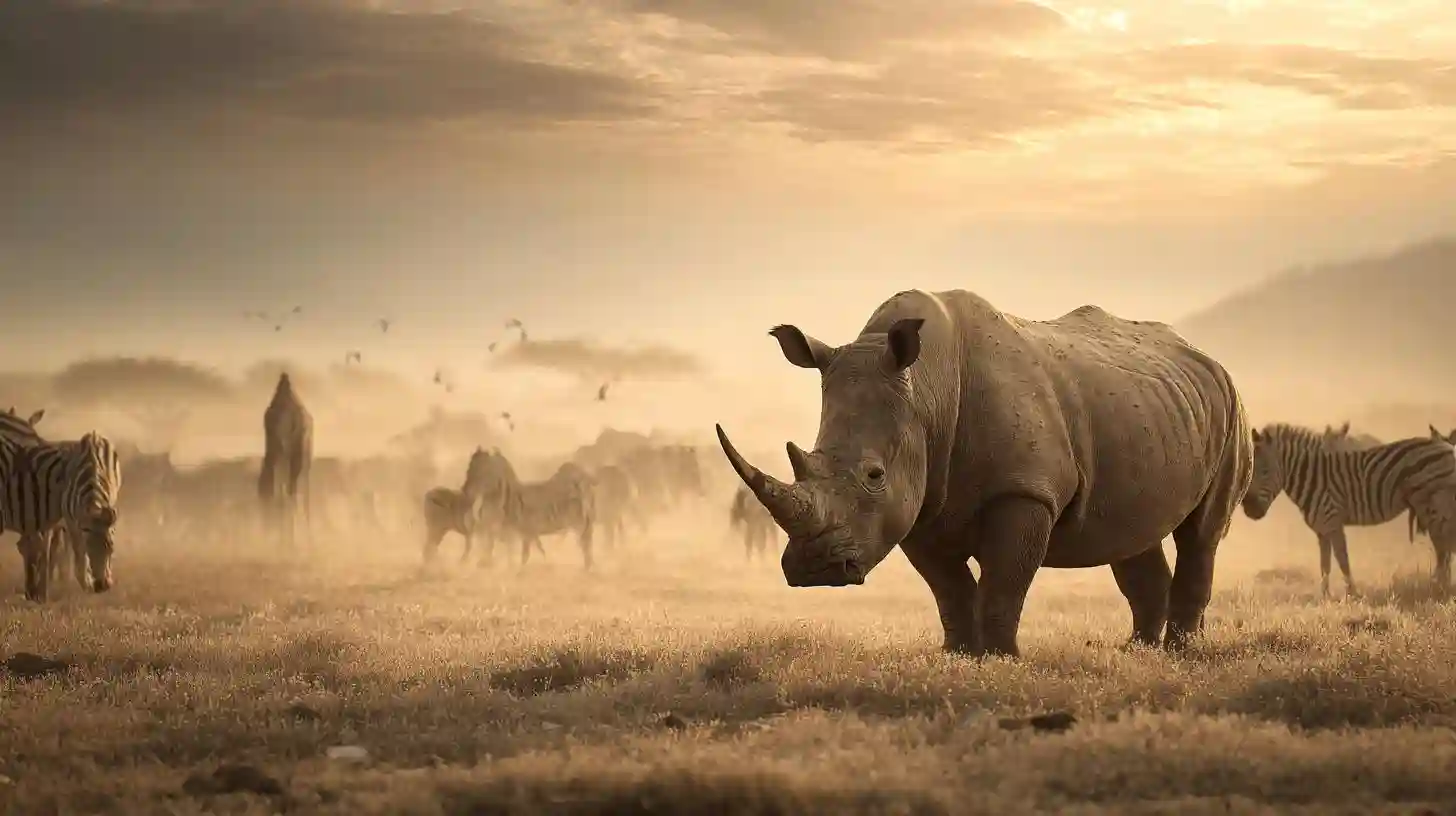
Animal relocation has become a crucial tool in wildlife conservation efforts. It involves moving animals from one area to another, typically to restore or protect endangered species and their habitats. This practice helps address various threats, such as habitat loss, environmental degradation, human-wildlife conflict, and the fragmentation of ecosystems. The relocation of species can allow them to thrive in areas where resources are abundant, or where they face fewer threats from human activity or environmental changes.
The importance of animal relocation is particularly evident when dealing with species that are on the brink of extinction. In some cases, relocating animals to protected areas with better conditions can be the difference between their survival and extinction. For instance, some species are moved from over-exploited areas to national parks or reserves where hunting and deforestation are less prevalent. These protected environments offer animals a more secure place to breed, feed, and roam, thus improving their chances of long-term survival.
Another reason for animal relocation is to restore ecological balance in areas where certain species have disappeared or become scarce. Reintroducing animals to areas where they once thrived can help restore lost biodiversity. This process can also help in the recovery of ecosystems that depend on these species for functions like seed dispersal, pollination, or pest control. Reintroducing keystone species, for example, can help re-establish vital ecological roles that benefit a wide range of organisms.
Relocation can also be a strategic response to climate change. As temperatures rise and habitats shift, animals may be forced to move in order to find suitable environments for survival. In such cases, wildlife conservationists often intervene by guiding species to new locations where they can adapt to changing conditions. While animal relocation is not without its challenges, including the risk of introducing diseases or causing stress in relocated animals, it remains one of the most effective ways to safeguard endangered species and preserve biodiversity for future generations.