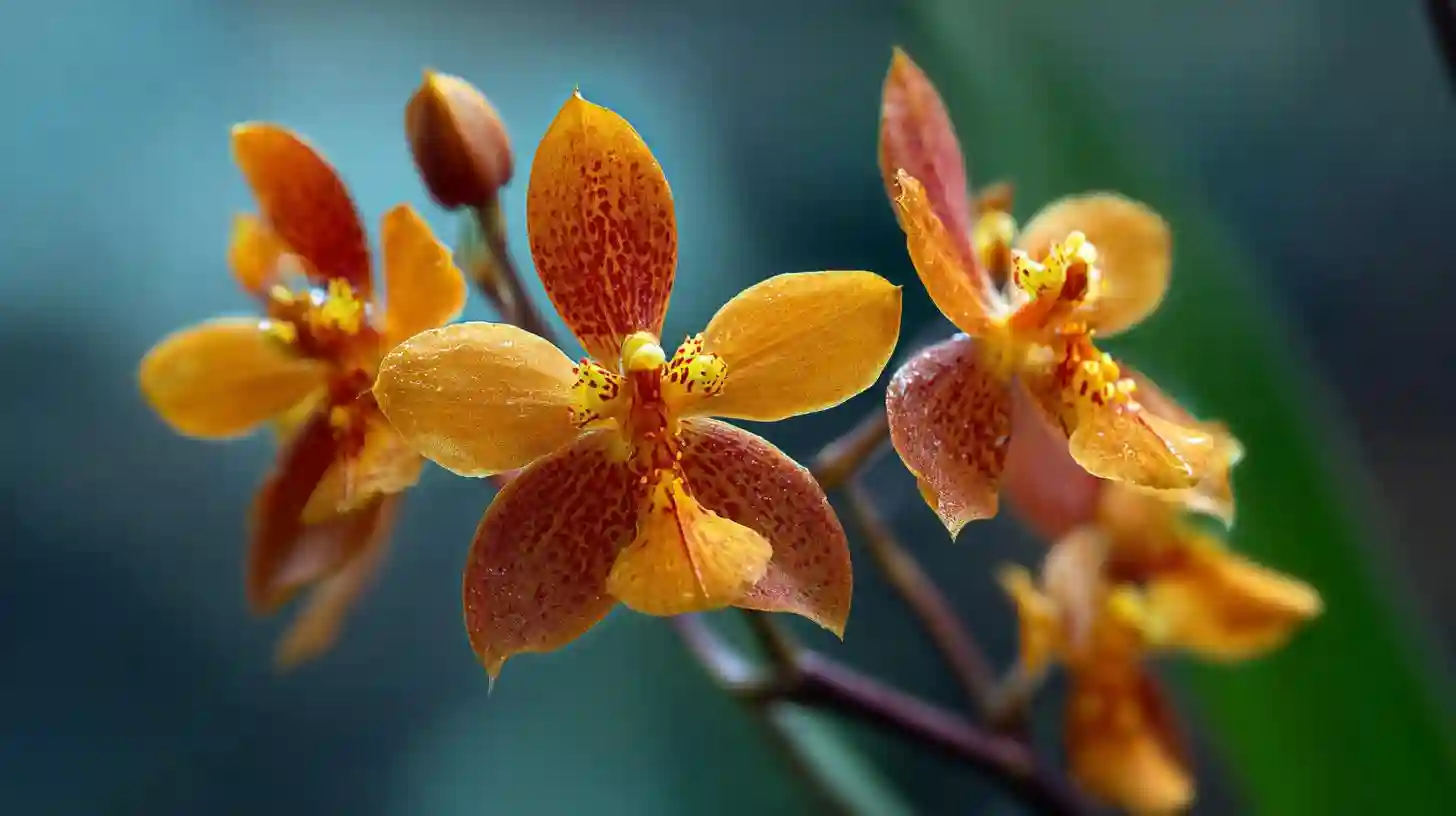
Orchids are among the most diverse and captivating plants, known for their extraordinary adaptations to attract specific pollinators. Over time, these plants have evolved unique floral traits that enhance their chances of successful pollination by targeting particular species of insects, birds, and even mammals. The development of these traits is a fascinating example of evolutionary pressure, with orchids fine-tuning their characteristics to meet the needs of their pollinators and vice versa.
One of the most striking features of orchids is their intricate flower structure. Many orchids have flowers that mimic the appearance or scent of female insects, such as bees or wasps, in a phenomenon known as sexual deception. This clever strategy lures male insects into attempting to mate with the flower, inadvertently transferring pollen in the process. Some orchids go even further by emitting scents that mimic the pheromones of the females, increasing the likelihood of attracting their target pollinators.
Other orchids have evolved specialized structures designed to facilitate pollination by specific animals. For example, certain species have long, tubular flowers with narrow openings that can only be accessed by long-tongued insects like hawk moths. This mutualistic relationship ensures that the orchid’s pollen is effectively transported to another flower, while the moth benefits from a food source in the form of nectar. These adaptations show the precision of nature’s design, as the orchid's floral morphology is perfectly suited to its pollinator’s anatomy.
Furthermore, some orchids have evolved to attract hummingbirds by producing brightly colored flowers with large, tubular shapes. The color and shape of the flower are optimized for the bird’s vision and feeding habits. These orchids provide a rich nectar source, encouraging hummingbirds to visit and pollinate the flowers. The relationship is mutually beneficial, as the bird receives sustenance, and the orchid ensures the continuation of its species through pollination.
The evolution of floral traits in orchids has been shaped by a complex interplay of environmental factors and the specific needs of pollinators. As the world’s ecosystems continue to evolve, orchids will likely continue to adapt and refine their floral characteristics, ensuring their survival and the survival of the species that rely on them for pollination.