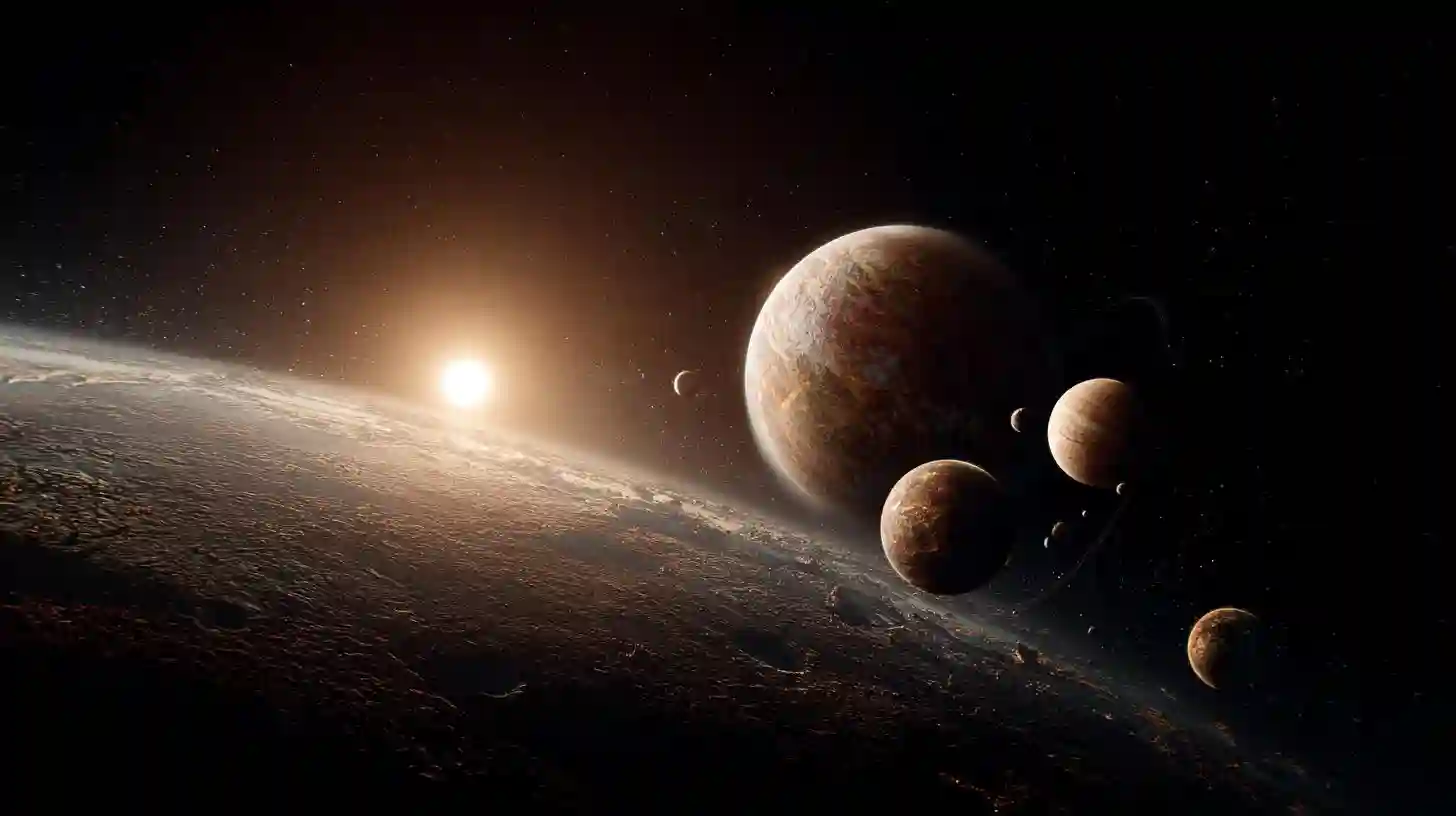
Exploring exoplanetary systems is one of the most exciting frontiers of modern science, and future missions aim to push the boundaries of our understanding. Over the past few decades, astronomers have discovered thousands of exoplanets orbiting distant stars, many of which are in the so-called habitable zone, where conditions might be right for liquid water to exist. These discoveries raise fascinating questions about the potential for life beyond our Solar System and the diversity of planetary environments that exist in the universe. As technology advances, the next generation of space missions will significantly enhance our ability to study these distant worlds. One of the key goals of future missions is to analyze the atmospheres of exoplanets. By using advanced telescopes and instruments capable of detecting the chemical signatures in the atmospheres of distant worlds, scientists hope to identify key molecules such as oxygen, methane, and carbon dioxide, which could indicate the presence of biological activity. The James Webb Space Telescope, scheduled for launch in the near future, will be one of the first missions to make detailed observations of exoplanet atmospheres. Its capabilities will allow astronomers to study a wide variety of exoplanets, including those in the habitable zone, and gather crucial data about their atmospheric composition. Future missions may also involve sending robotic probes to nearby exoplanets. Although such missions are still in the early stages of planning, they could provide invaluable close-up data that telescopes cannot offer. These probes could carry instruments designed to measure surface conditions, analyze the composition of exoplanetary soils, and search for signs of life. These missions would also need to overcome significant technological challenges, such as long-distance space travel and the development of autonomous systems capable of operating without direct human intervention. Another promising avenue for future missions is the study of planetary systems around different types of stars. Many exoplanets discovered so far orbit stars similar to our Sun, but there are also many other types of stars, including red dwarfs and pulsars, that could host planets with unique characteristics. Investigating these systems will help scientists understand how different environmental conditions affect the development of planets and whether life could arise in such diverse settings. Future exoplanet exploration will also likely involve international collaboration, as space agencies from around the world work together to pool resources, expertise, and technology. With the combined efforts of multiple nations, the dream of discovering planets with life, or at least understanding how common habitable planets are in the universe, may one day become a reality.