AI-powered pest and disease detection in crops is revolutionizing the way farmers protect their yields and improve productivity. With the growing challenge of feeding a rising global population, efficient pest and disease management is more critical than ever. Traditional methods, such as manual scouting and pesticide spraying, can be time-consuming, costly, and often inefficient. The integration of artificial intelligence into crop management offers a solution by enabling faster, more accurate, and targeted interventions.
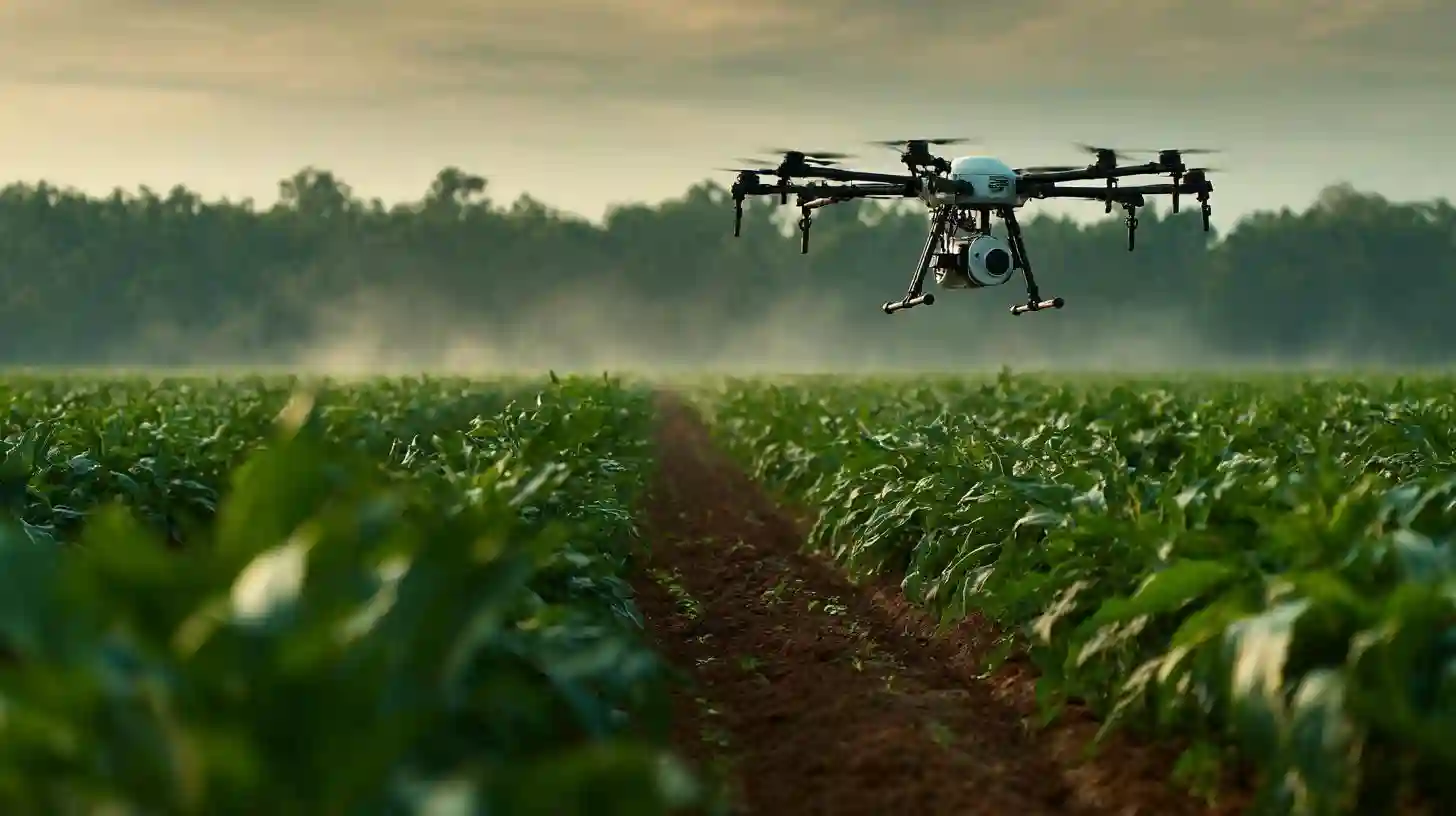
AI technologies, particularly machine learning algorithms, are capable of analyzing vast amounts of data to detect early signs of pest infestations or plant diseases. These systems are typically trained on large datasets containing images of crops at various stages of infection, allowing them to recognize patterns that might not be visible to the human eye. By processing visual data from drones, satellites, or ground-based cameras, AI can monitor fields in real-time, flagging potential threats before they spread and cause significant damage.
The advantage of AI-powered detection lies in its precision. By identifying pests or diseases in their early stages, farmers can implement targeted treatments, reducing the need for widespread pesticide use. This not only minimizes the environmental impact of farming but also lowers costs by reducing the amount of chemicals needed. Additionally, the accuracy of AI systems helps prevent the overuse of pesticides, which can lead to pest resistance and long-term harm to ecosystems.
Moreover, these AI systems can continuously learn and improve over time. As they are exposed to more data and real-world scenarios, they become better at recognizing subtle changes in plant health, making them even more reliable for farmers. This capability is particularly important in regions where pest and disease patterns are constantly evolving due to changing weather conditions, crop rotations, and other environmental factors.
Incorporating AI into pest and disease detection also promotes more sustainable farming practices. With the ability to optimize treatment schedules and interventions, AI enables farmers to adopt more precise approaches that conserve resources and protect biodiversity. By reducing the use of harmful chemicals, farmers can foster healthier soil and improve the long-term viability of their land.
The potential of AI in agriculture extends beyond pest and disease detection. As AI continues to evolve, its role in precision farming will only grow, transforming the agricultural landscape and empowering farmers to meet the challenges of modern food production. The promise of a more efficient, sustainable, and resilient agricultural system is closer than ever, thanks to the power of artificial intelligence.