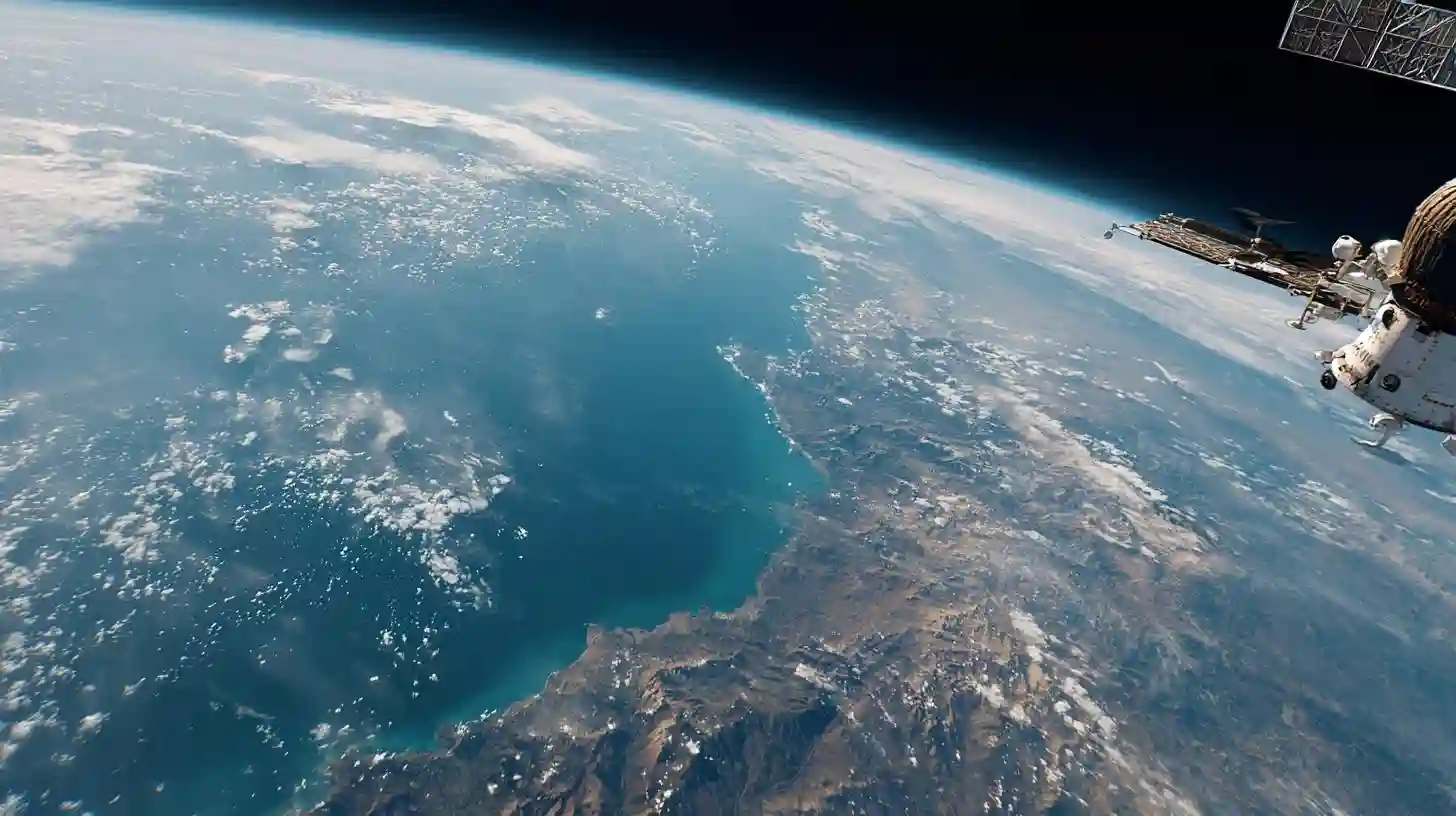
The International Space Station (ISS) serves as a remarkable platform for studying sustainability in space and provides valuable insights into the concept of closed-loop systems. These systems are essential for supporting human life in environments where resources are limited or finite, like outer space. The ISS functions as a microcosm of Earth's ecosystems, allowing scientists to observe and refine methods for recycling and reusing vital resources, such as air, water, and food. Since astronauts aboard the ISS are isolated from Earth, the space station relies heavily on the ability to create a self-sustaining environment. This reliance on recycling and resource management directly mirrors the challenges we face on Earth, particularly in the context of environmental sustainability.
One of the primary challenges on the ISS is maintaining breathable air for its inhabitants. The station uses a system that scrubs carbon dioxide from the atmosphere and replenishes oxygen through electrolysis, splitting water into hydrogen and oxygen. This process helps maintain a balance in the air composition, which is crucial for the health and well-being of the crew. Similarly, water is recycled through sophisticated filtration systems, with astronauts drinking water that has been reclaimed from sweat, urine, and other waste products. This demonstrates the importance of efficient water management and provides key lessons for addressing water scarcity issues on Earth.
The ISS also plays a crucial role in testing sustainable agricultural techniques. It supports experiments to grow plants in space, with the goal of providing astronauts with fresh food during long-term missions. Growing food in space requires careful control of environmental factors such as light, temperature, and humidity, making it an excellent model for sustainable farming practices in harsh environments. These experiments not only aid space exploration but also offer insights into how we might improve agricultural practices on Earth, especially in areas facing extreme conditions or resource limitations.
By observing how life can be supported in space using closed-loop systems, the ISS offers a unique perspective on resource conservation, waste reduction, and sustainable practices. These lessons are vital not only for future space missions but also for solving some of the pressing environmental challenges we face on Earth. As space exploration continues, the ISS remains a beacon of innovation and sustainability, helping us pave the way for a more sustainable future both in space and on our planet.