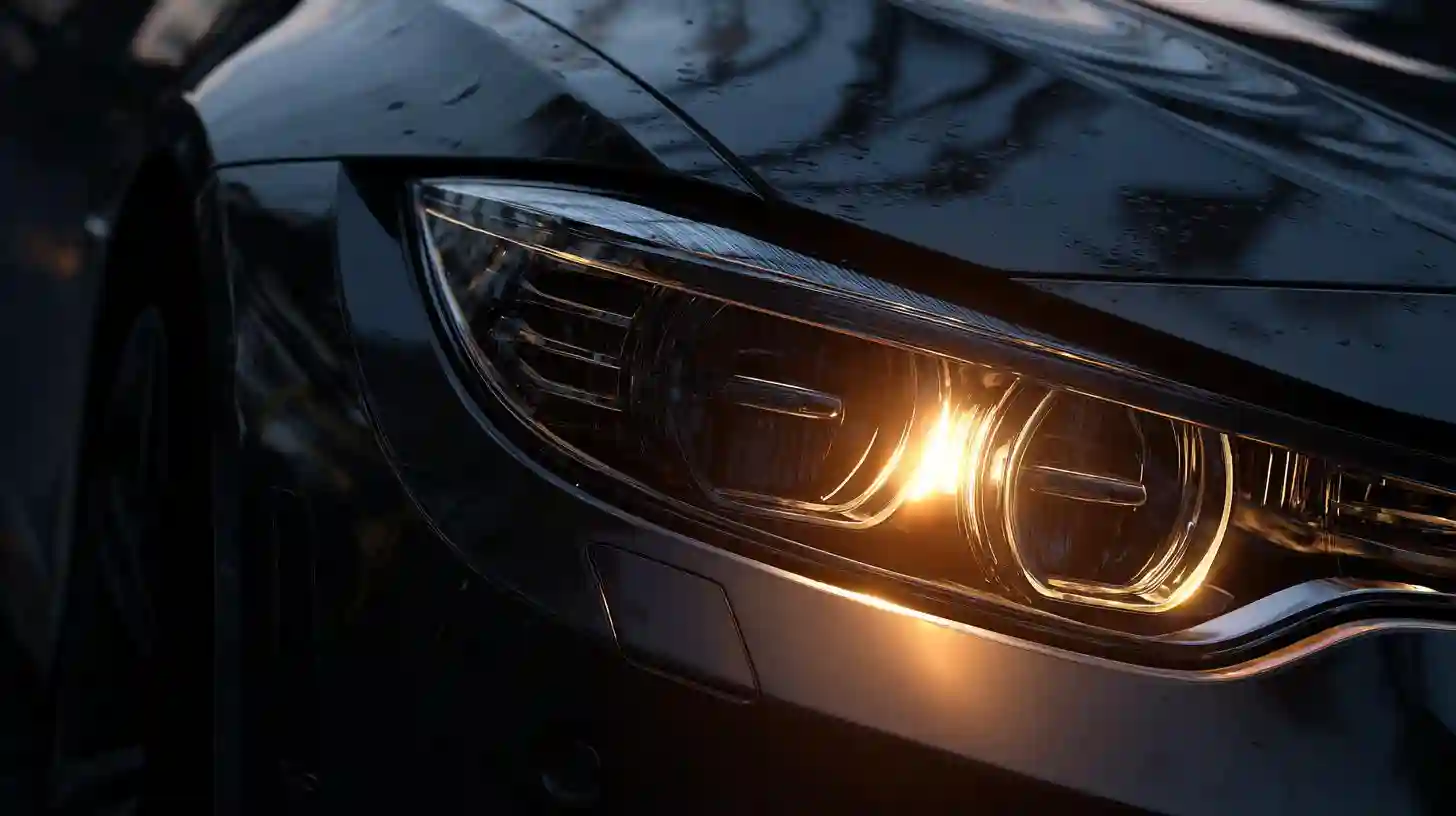
Adaptive headlights are becoming an increasingly important feature in modern vehicles, enhancing both safety and driving comfort. Unlike traditional headlights, which only illuminate the road ahead in a fixed direction, adaptive headlights are designed to adjust their angle based on the vehicle’s speed, steering, and elevation changes. This dynamic response ensures that the driver has a better view of the road, particularly when navigating curves, hills, or corners at night. As the vehicle turns, the headlights pivot, following the steering wheel's movement to illuminate areas that would otherwise remain in the dark, offering greater visibility and reducing the likelihood of missing obstacles.
In addition to improving night-time driving, adaptive headlights also contribute to reducing the risk of glare for other road users. Traditional headlights often shine directly into the eyes of oncoming drivers, especially when the vehicle is on a hill or traveling downhill. Adaptive headlights automatically adjust to prevent this issue by lowering the light intensity or redirecting it when needed. This helps ensure safer driving conditions for everyone on the road.
The integration of adaptive headlights with other advanced technologies is also a growing trend. For example, in some vehicles, adaptive headlights are linked with GPS systems or cameras that detect road signs and obstacles. This further improves their effectiveness, enabling the headlights to adjust to different driving environments in real time. As technology continues to advance, the capabilities of adaptive headlights are likely to expand, offering even more precise and responsive lighting.
In urban environments, adaptive headlights help drivers maintain awareness of their surroundings, making driving safer in conditions with frequent changes in traffic flow, road layouts, or streetlights. Moreover, they enhance the overall driving experience by providing greater confidence on dark, winding roads or in areas with limited street lighting. This technology is not just about visibility; it also provides a greater sense of control, helping drivers navigate challenging driving situations with less strain and more safety.