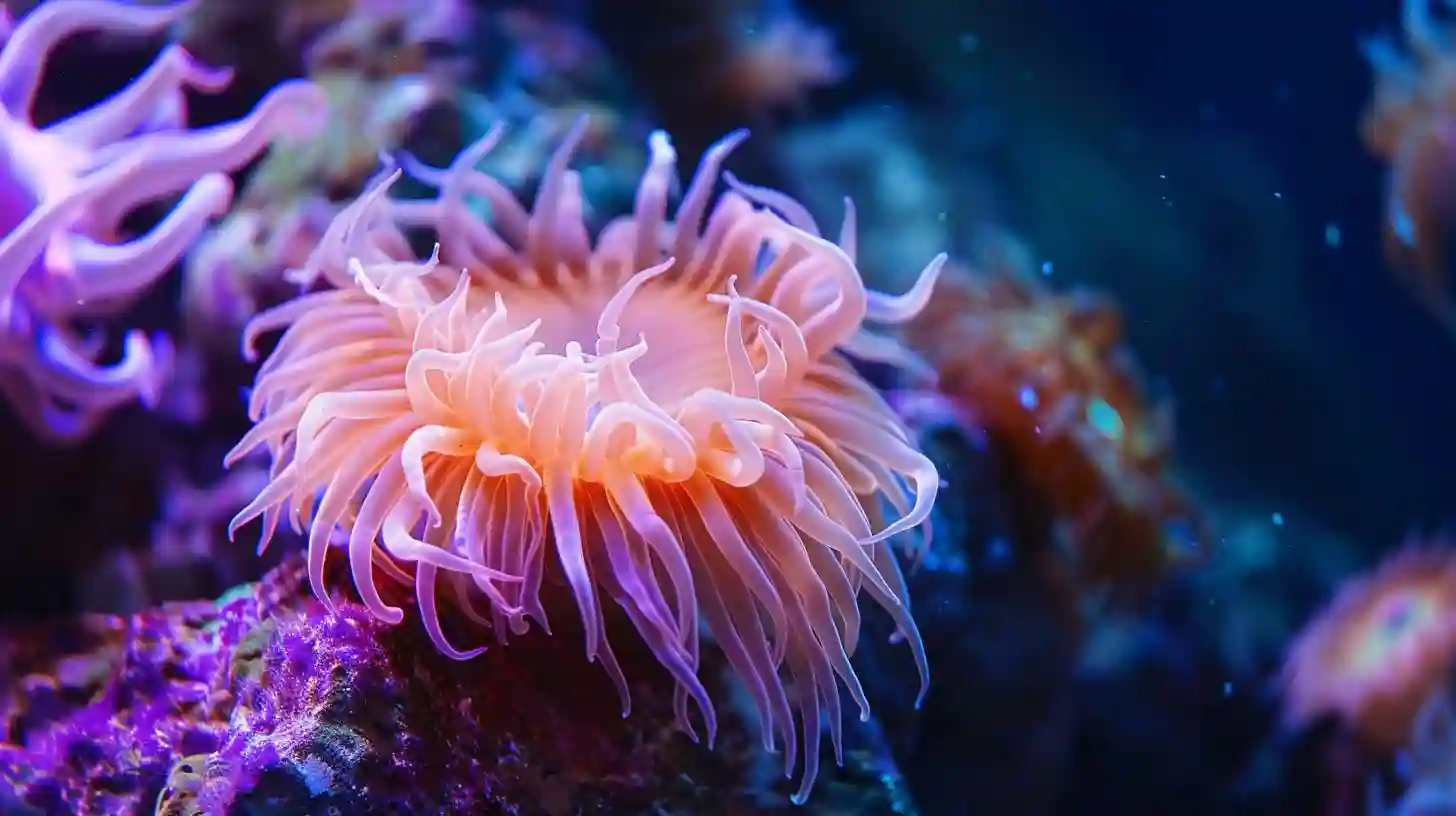
The anemone is an enchanting marine creature that belongs to the phylum Cnidaria. This phylum also comprises jellyfish and corals. What sets anemones apart in the underwater world is their mesmerizing appearance and intricate symbiotic relationships. These captivating creatures are often overlooked, yet they play a significant role in the ecosystems where they reside.
Anemones are typically found attached to stones, shells, or other surfaces on the ocean floor. They have a soft, cylindrical body known as a column, which can vary in height and shape depending on their species. The upper part of the anemone features a mouth surrounded by a ring of tentacles. These tentacles are armed with specialized cells called cnidocytes, which contain stinging structures known as nematocysts. This unique feature enables anemones to capture prey and defend themselves from potential threats. The stinging ability can be awe-inspiring, as it can immobilize fish and other small creatures that come too close.
Colors vary widely among different species of anemones, ranging from vibrant oranges and reds to more subdued greens and browns. This colorful display often makes them a sought-after sight for divers and marine enthusiasts. Moreover, the coloration of certain anemones can change in response to environmental factors, including light availability or the presence of certain nutrients. Such adaptability suggests a close relationship with their environment, which can be both fascinating and crucial for survival.
Anemones thrive in various marine habitats, including coral reefs, rocky shores, and sandy or muddy seabeds. Their distribution can be found across both tropical and temperate waters worldwide. Each species has its preferences regarding depth and habitat, allowing them to occupy various ecological niches. Consequently, some anemones can even be found in places where other marine life struggles to thrive, demonstrating their resilience.
The life cycle of an anemone is equally captivating, beginning with a larval stage that eventually settles on a suitable substrate. Upon settling, the larva undergoes metamorphosis into the adult form, attaching itself firmly to the substrate. This sedentary lifestyle is an interesting aspect of their biology, but it does not preclude movement altogether. Anemones are known to engage in slow, deliberate movements, which can help them reposition themselves for optimal feeding or lighting conditions. They accomplish this using their muscles, contracting and relaxing their bodies.
Anemones can reproduce both sexually and asexually. Sexual reproduction involves the release of eggs and sperm into the water, leading to fertilization. This method increases genetic diversity among the population. Conversely, asexual reproduction occurs when an anemone divides into two or more smaller anemones. This method allows for rapid population growth and is advantageous in stable environments. The ability to reproduce through both methods ensures the survival and continuity of the species even in fluctuating conditions.
The ecological role of anemones is multifaceted. They not only serve as predators, capturing small fish and plankton, but they also provide a habitat for other marine species. One of the most famous examples of this relationship is the anemone and the clownfish. Clownfish are known for their vibrant orange and white coloration, which contrasts beautifully with the typically colorful anemone. They have a unique relationship that benefits both parties. The clownfish receives protection from predators by taking shelter within the anemone's stinging tentacles, while the anemone benefits from enhanced food resources as the clownfish draws in nutrients with its movement.
Additionally, the anemone can provide a suitable environment for other organisms, including small shrimp and various invertebrates. This intricate web of relationships demonstrates how anemones are a cornerstone of the ecosystems in which they live. The presence of an anemone can promote biodiversity, as it attracts different species that coexist in a delicate balance.
Anemones also play a role in the health of coral reef ecosystems. As they contribute to nutrient cycling and provide habitat, they help maintain the overall balance of these intricate systems. However, climate change and other human activities have posed significant threats to both anemones and the ecosystems they inhabit. Rising sea temperatures and ocean acidification can disrupt the delicate balance, leading to a decline in their populations and the species that depend on them.
The relationship between anemones and the organisms that inhabit them is illustrative of the interconnectedness of marine ecosystems. As stressors continue to impact marine environments worldwide, understanding these connections becomes paramount for conservation efforts. Protecting the habitats where anemones thrive is essential for maintaining marine biodiversity and health.
In addition to their ecological significance, anemones have also captured the attention of scientists and researchers. Studying their physiological responses to various stressors provides valuable insights into the impacts of climate change on marine life. Research has revealed fascinating adaptations that allow some anemones to thrive in extreme environments, which could have broader implications for understanding resilience in other marine organisms.
Additionally, the properties of anemone venom have been investigated for potential medical applications. The unique compounds found in anemone venom may hold promise for developing new treatments for various medical conditions. From pain management to potential cancer therapies, the exploration of these natural substances is just beginning, and it offers a glimpse into the untapped potential of marine biodiversity.
In popular culture, the anemone has also inspired art, literature, and mythology. Its ethereal beauty and captivating presence have been portrayed in various forms, from paintings to sculptures. Beyond the physical representation, they symbolize resilience and adaptability, serving as reminders of nature's complexities and wonders.
The fascination with anemones continues to grow as more individuals become aware of their importance within marine ecosystems. Educational initiatives, public aquariums, and marine conservation organizations are working to raise awareness about the need to protect these enigmatic creatures and their habitats. By nurturing a deeper understanding of anemones and their role in the ocean, individuals can contribute to efforts to ensure their preservation for future generations.
As people delve deeper into the study of the anemone, they uncover not just a remarkable creature but also a vital component of their underwater environment. The more knowledge gained about these fascinating organisms, the greater the appreciation for their beauty and significance within marine ecosystems. The anemone serves as a vivid reminder of the importance of maintaining the delicate balance of life in our oceans and the responsibility we share in safeguarding it. Through continued research, education, and conservation efforts, there is hope for the future of anemones and the myriad forms of life that depend on their presence in the world’s oceans.