 International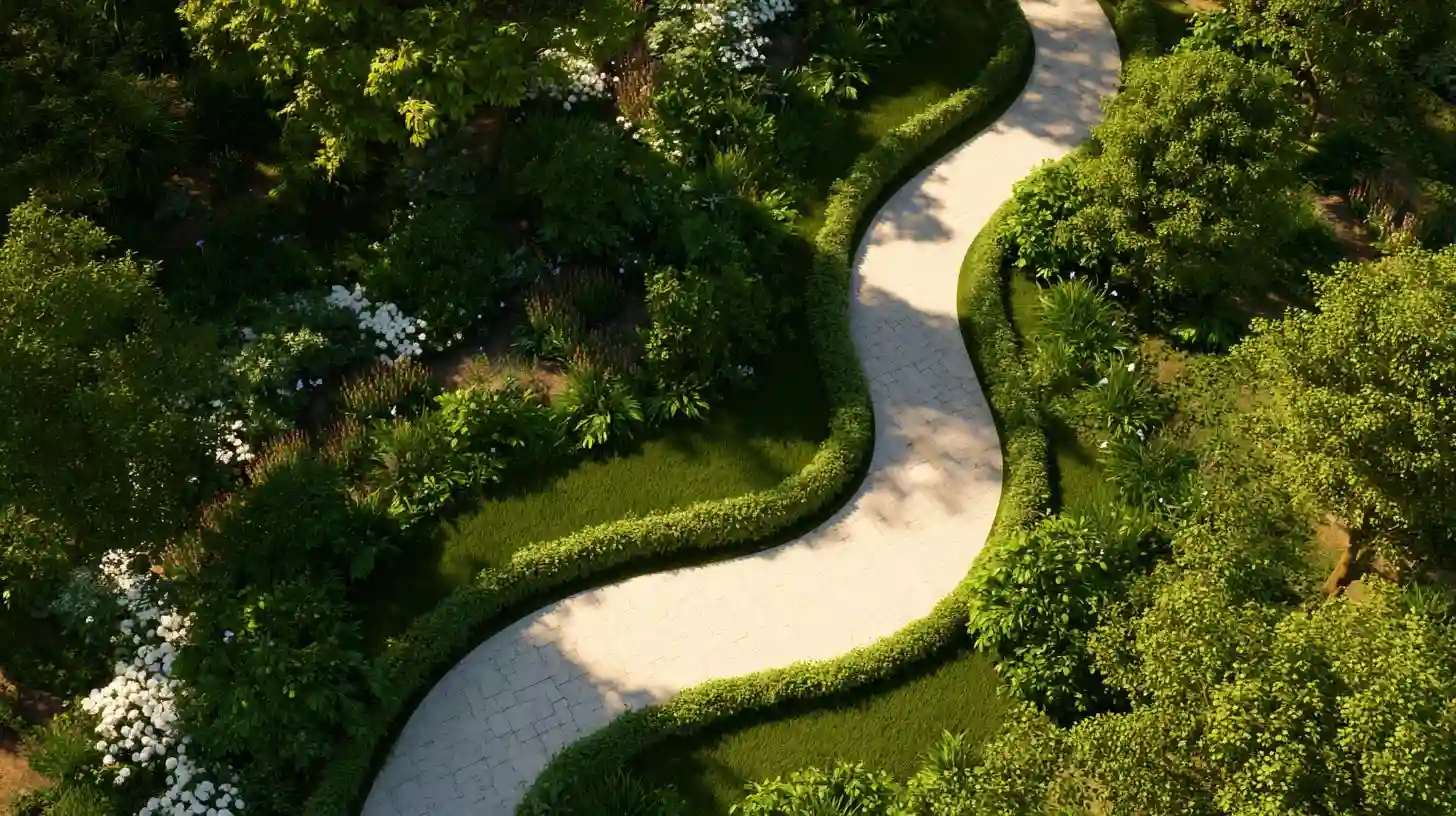
Curved pathways offer a sense of flow and natural movement, making them ideal for gardens designed to evoke a sense of tranquility or whimsical charm. These meandering paths draw the eye along a gently winding course, encouraging exploration and discovery. Gardens that feature informal or cottage-style designs benefit greatly from curved pathways. The irregularity of the path complements the organic arrangement of plants, creating an environment that feels both inviting and unstructured. Curves allow for a more dynamic layout, allowing plants to be placed in such a way that the path itself becomes a feature, leading visitors on a journey through different garden areas. Whether surrounded by lush greenery, flowering plants, or ornamental trees, curved pathways soften the landscape, helping to integrate human-made elements with the natural surroundings.
On the other hand, straight pathways exude a sense of order and discipline, often seen in formal or contemporary garden styles. These paths create clear lines of direction, guiding the viewer's attention to a focal point, such as a statue, water feature, or a well-manicured hedge. Straight lines are common in gardens that emphasize symmetry, structure, and precision. In geometric or minimalist gardens, straight pathways help maintain the visual balance, enhancing the clean lines and simplicity of the design. Straight pathways also work well in gardens where accessibility and practicality are important, offering a clear, unobstructed route through the space. The simplicity of a straight path can make it easier to navigate larger gardens, especially when paired with hedges or low fences to define the route.
When designing a garden, the choice between curved and straight pathways depends largely on the overall aesthetic and atmosphere you wish to create. Curved paths invite a sense of relaxation and natural beauty, while straight paths emphasize control, order, and focus. Both types of pathways have their own merits and can complement various garden styles, each adding its unique character and function to the overall landscape. The combination of the two can also be used effectively, blending the organic with the structured, ensuring that the garden remains both functional and visually engaging.