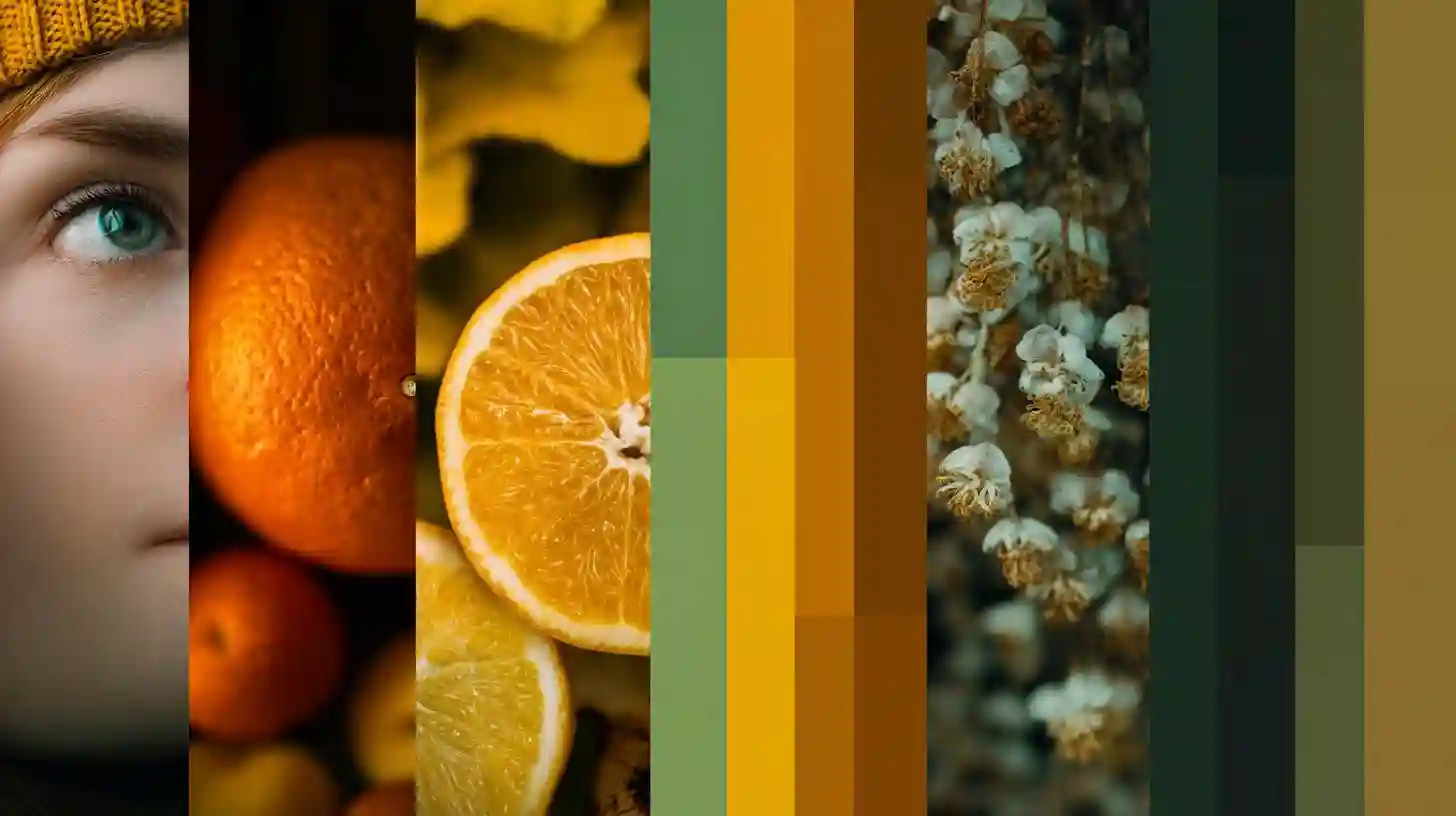
Color theory plays a significant role in photography, influencing how an image is perceived and the emotions it evokes. Photographers use color to create harmony, contrast, and emphasis, often enhancing the story being told through an image. The use of complementary, analogous, and monochromatic color schemes can alter the mood of a photograph, guiding the viewer’s eye toward the focal point or conveying a specific atmosphere.
Complementary colors, located opposite each other on the color wheel, create vibrant contrasts when paired together. This contrast draws attention and can make a subject stand out, emphasizing its importance in the frame. The juxtaposition of warm and cool tones often elicits strong emotional reactions, with warm colors like red and orange creating feelings of warmth or urgency, while cooler tones like blue and green bring calmness or serenity. Photographers often use this interplay to highlight subjects, backgrounds, or details that need to be brought into focus.
Analogous colors, which sit next to each other on the color wheel, provide a more subtle and harmonious feel to photographs. These colors blend smoothly, creating a soothing, unified composition. This technique is frequently used in nature photography, where the soft transitions between colors can mimic the organic flow of light and natural scenery. By avoiding harsh contrasts, photographers can craft images that are pleasing to the eye and evoke a sense of peace or balance.
Monochromatic color schemes, where various shades of a single hue are used, can also be highly effective. This approach can create a sense of unity and simplicity, allowing the subject and composition to stand out without the distraction of multiple colors. Monochromatic photography often emphasizes texture, light, and form, focusing more on the visual elements rather than the emotional impact of color contrasts.
The impact of color theory extends beyond mere aesthetic value; it helps convey meaning and sets the tone for the entire composition. In portrait photography, for example, the choice of background and clothing colors can influence how the subject is perceived, either evoking warmth, professionalism, or even melancholy. Colors can also be symbolic, as certain hues are often associated with cultural meanings, such as red symbolizing luck or danger, and blue representing tranquility or sadness. Photographers, therefore, have the power to use color to tell a deeper story through their work, engaging the viewer both visually and emotionally.