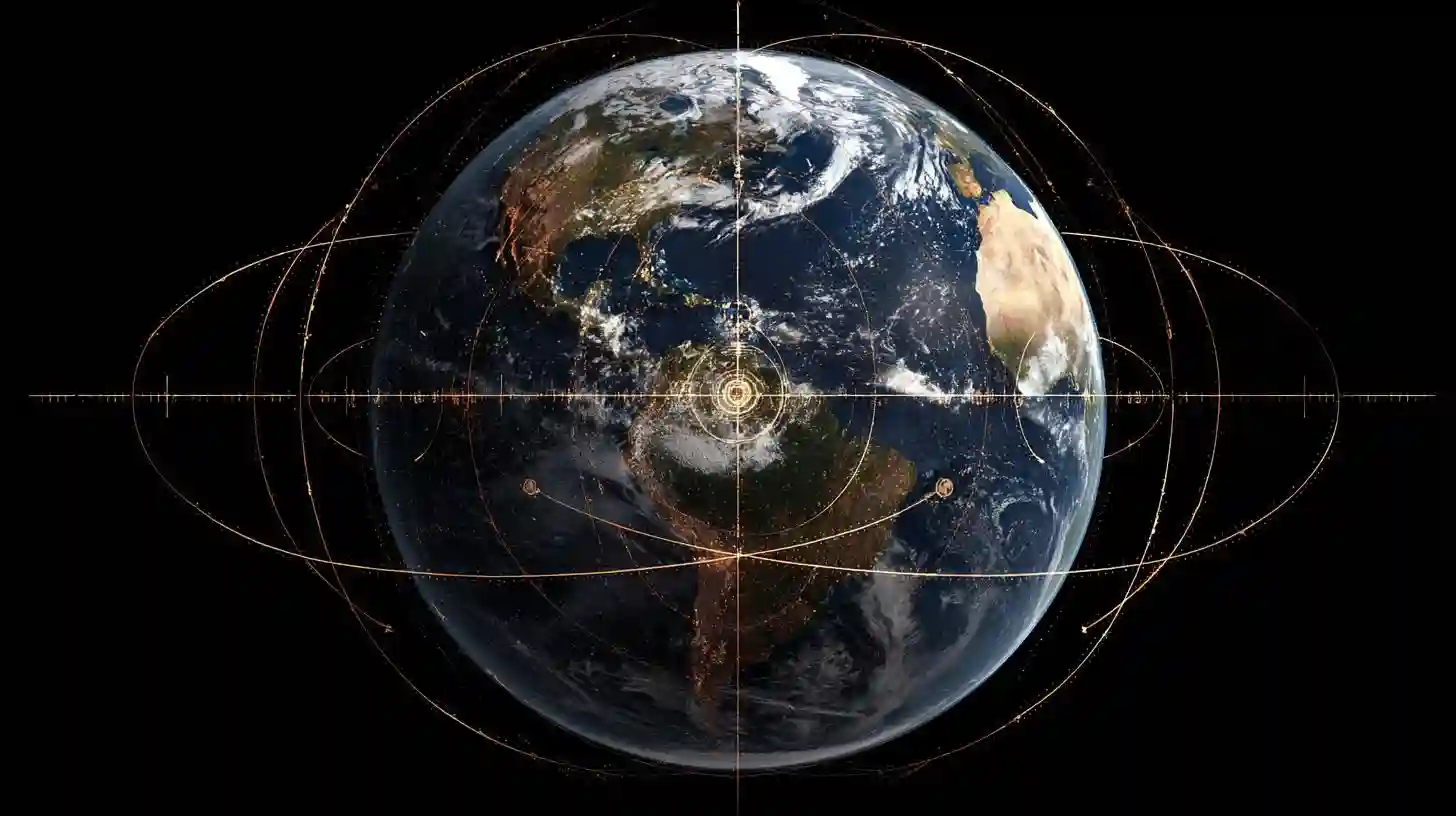
The rotation of the Earth is intricately connected to the activity within its core, influencing both the planet's behavior and its long-term evolution. The Earth's core is made up of two layers: a solid inner core and a liquid outer core. The rotation of the planet plays a key role in the dynamics of these layers, particularly the interaction between the fluid outer core and the solid inner core. This interaction generates the Earth's magnetic field, a crucial aspect of life on Earth, providing protection against harmful solar radiation and helping to stabilize the planet's climate.
As the Earth rotates, the movement of the liquid outer core generates convection currents, which in turn create electrical currents. These currents produce the planet's magnetic field through the dynamo process. This magnetic field, which acts like a protective shield, is essential for life on Earth. The rotation of the Earth, along with the heat from the radioactive decay within the core, drives the motion of these materials, creating the forces necessary for sustaining the magnetic field.
Moreover, the Earth's rotation also affects the behavior of the inner core. Over time, the inner core grows as heat from the outer core causes iron to crystallize and solidify. The motion of the outer core, in turn, influences the speed and direction of the inner core's rotation. This interaction between the Earth's rotation and the core is not only vital for maintaining the magnetic field but also plays a role in influencing the planet's seismic activity.
The relationship between the Earth's rotation and core activity is a complex and dynamic process, one that has been evolving for billions of years. While the exact mechanisms behind these interactions remain a subject of ongoing scientific study, it is clear that they are deeply interconnected, with each influencing the other in ways that sustain the planet's habitability.