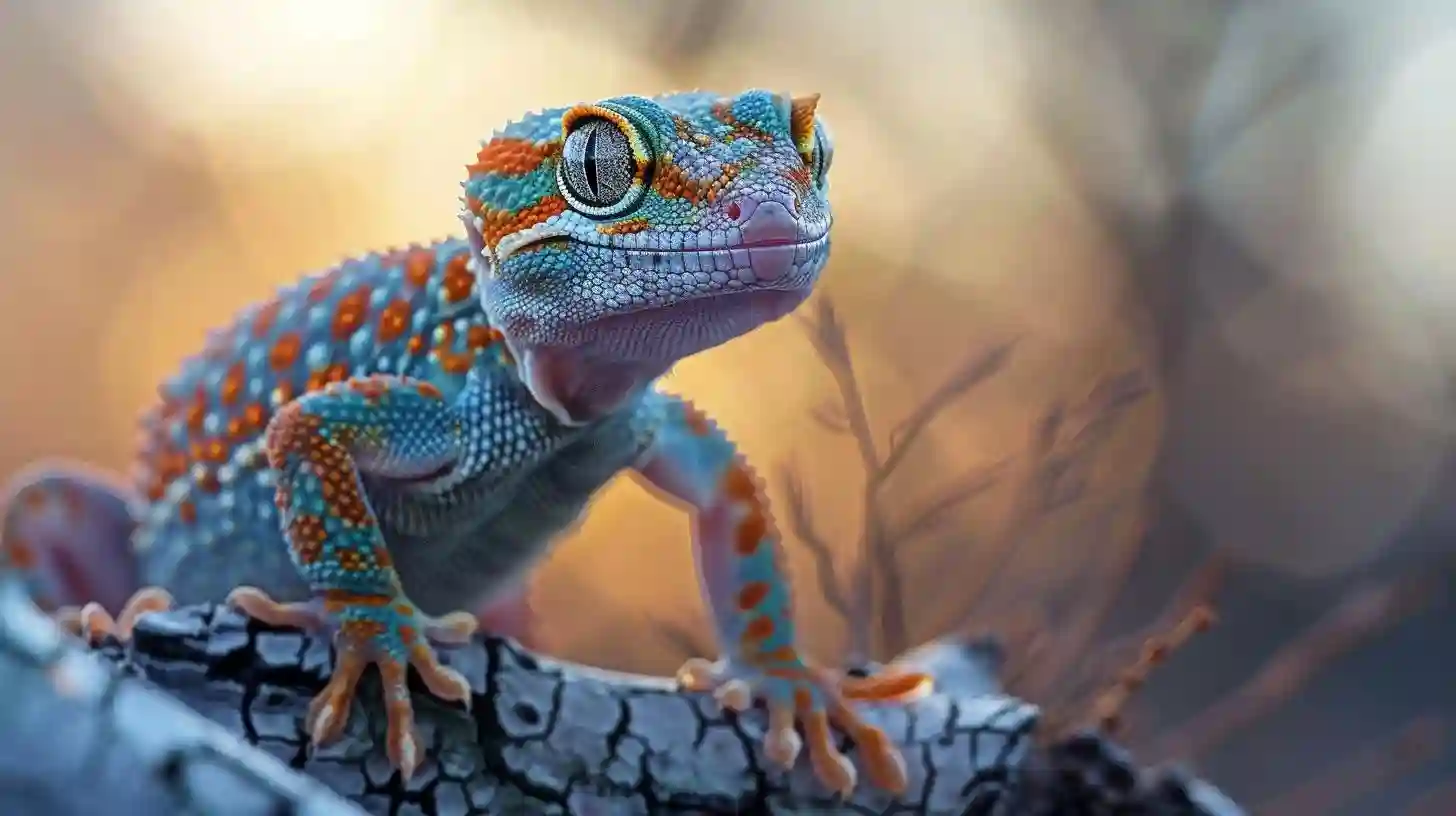
Geckos are fascinating creatures that belong to the family Gekkonidae, with over a thousand species inhabiting diverse habitats around the globe. These small to medium-sized lizards can be found on every continent except for Antarctica, showcasing an impressive array of colors, patterns, and unique adaptations that allow them to thrive in their environments.
One striking feature of geckos is their versatile anatomy. These reptiles have broad, flattened bodies that often exhibit vibrant hues, which can serve both as camouflage and a means for communication. Many species possess the ability to change color, allowing them to blend into their surroundings or display vivid patterns to ward off potential predators or attract mates. This remarkable trait, often seen in chameleons, is not as pronounced in geckos, yet their natural hues serve a vital purpose in their survival.
Geckos possess a highly specialized set of toes that enables them to adhere to various surfaces effortlessly. This unique adaptation is due to the presence of millions of microscopic hair-like structures called setae on their toe pads. These structures increase surface area and allow geckos to take advantage of van der Waals forces, a phenomenon that allows them to climb smooth surfaces, including glass, and even hang upside down. This climbing ability is not only useful for escaping predators but also aids in hunting, enabling geckos to pursue insects and other small prey.
The diet of geckos primarily consists of insects, including crickets, beetles, and moths. However, some larger species may also consume small mammals or even other lizards. Geckos are opportunistic feeders, and their excellent night vision allows them to hunt effectively during the twilight hours. Their hunting strategy often relies on stealth and quick movements. Once they spot their prey, they strike with precision, capturing it with their swift and agile bodies.
Unlike many reptiles, geckos are known for their vocalizations. They produce a range of sounds, which can include chirps, clicks, and barks. These calls can serve various purposes, such as attracting mates, defending territory, or signaling alarm. In some cases, these vocal behaviors are part of complex social interactions, allowing geckos to establish hierarchy within their groups.
Gecko reproduction is equally intriguing. Most species are oviparous, meaning they lay eggs, while a few species are viviparous, giving birth to live young. The eggs of many gecko species are laid in clutches and are often deposited in hidden or protected locations to reduce predation risk. Depending on environmental conditions, the incubation period can vary significantly, but the young typically resemble miniature versions of adults. Parental care is generally minimal, with most species leaving the eggs to develop independently.
One of the most captivating aspects of geckos is their ability to regenerate certain body parts. If a gecko loses its tail while escaping from a predator, it can regrow a new one over time. The original tail has a more complex structure, including bones and muscles, while the regenerated tail is primarily made up of cartilage. This regeneration serves as an evolutionary adaptation that enhances the gecko's chances of survival.
Geckos play essential roles in their ecosystems. As insectivores, they help control insect populations, which can benefit agriculture and maintain ecological balance. Additionally, gecko populations serve as indicators of environmental health. A decline in gecko numbers can signal changes in habitat quality, allowing conservationists to monitor ecosystem conditions.
Sadly, many gecko species are facing threats due to habitat destruction, climate change, and the illegal pet trade. Urbanization and deforestation have led to the loss of natural habitats, which diminishes the living spaces they require for foraging, breeding, and sheltering. Furthermore, some gecko species are specifically targeted for the exotic pet trade, which can lead to severe population declines in the wild. Conservation efforts are crucial to protect these unique lizards and their habitats.
In recent times, the study of geckos has opened doors to innovative developments in biomimicry and technology. The adhesive properties of their toes inspire advancements in robotics and materials science. Researchers are exploring ways to replicate the gecko's ability to cling to surfaces, with potential applications in everything from climbing robots to advanced medical adhesives. The intricate designs found in nature, as exemplified by the gecko, often serve as the basis for groundbreaking innovations.
Culturally, geckos hold significant symbolism in various societies around the world. In some cultures, they are considered bringers of good luck, and their presence in homes is often deemed auspicious. In others, they are revered and viewed as spiritual protectors. The diverse meanings attributed to geckos reflect their adaptability and significance in the ecosystem and human culture.
Overall, geckos continue to capture the imagination of scientists, enthusiasts, and the general public. Their unique adaptations and behaviors provide a glimpse into the complexities of evolution and the interconnectedness of life on Earth. As we strive to understand and preserve biodiversity in our rapidly changing world, geckos remain a vital part of the ecological tapestry, embodying resilience and adaptability in the face of challenges.
Observing geckos in their natural habitats can be a rewarding experience, offering insights into their behavior and ecological roles. Whether it is a tiny gecko darting through the underbrush or a larger species perched on a tree trunk, these creatures remind us of the wonders of the natural world. Engaging in responsible wildlife observation and supporting conservation initiatives can contribute to the protection of these extraordinary lizards and their environments.
As the scientific community continues to uncover the secrets of these remarkable reptiles, it is crucial to foster a sense of awareness and appreciation for all forms of life. By recognizing the importance of geckos and their habitats, we can take meaningful steps toward ensuring their survival for generations to come. The study of geckos serves not only as a testament to the adaptability of life on Earth but also as a call to action to protect the delicate balance of nature and the diverse species that inhabit it.