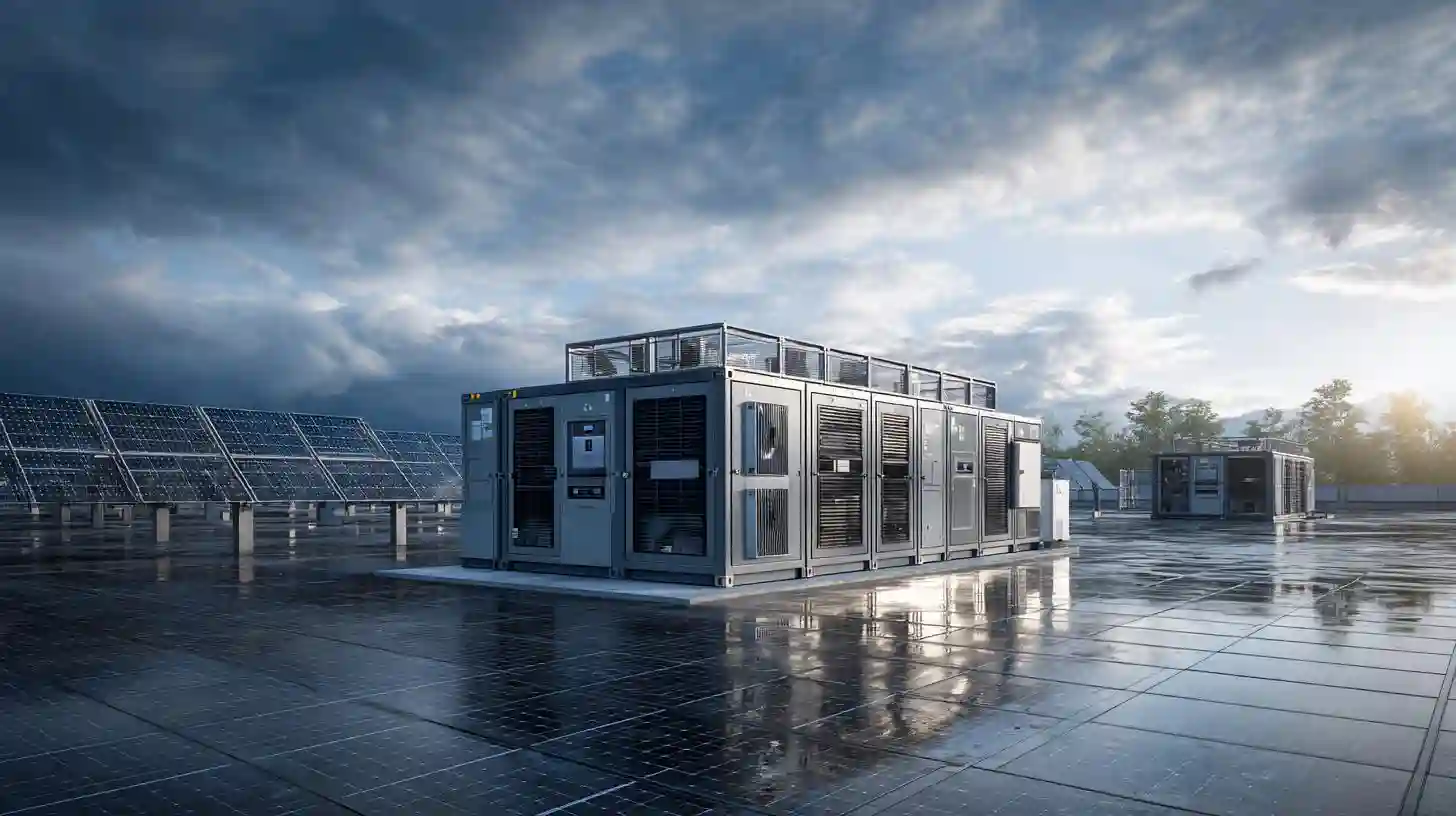
Energy storage systems are a crucial component in the transition to a sustainable energy future. With renewable energy sources like wind and solar becoming more prevalent, the need to store excess energy for use during times of low production has never been greater. Traditionally, energy storage has been dependent on batteries, but recent advances are pushing the boundaries of what is possible. One of the most exciting developments in this field is the progress made in improving battery technology. Lithium-ion batteries have long been the dominant choice due to their high energy density and efficiency, but ongoing research is exploring new materials and chemistries that could make energy storage even more effective. For example, solid-state batteries are emerging as a promising alternative, offering higher energy densities and greater safety compared to liquid-based counterparts. These innovations could potentially increase the lifespan of energy storage systems while reducing the environmental impact of battery production and disposal. Another significant advancement is in the area of flow batteries, which use a liquid electrolyte to store energy. Flow batteries offer the advantage of being scalable, meaning they can be adapted to meet the needs of different energy storage applications, from small-scale residential use to large industrial systems. These systems also have a longer cycle life, which makes them an appealing choice for long-term energy storage. Additionally, there is growing interest in integrating energy storage systems with smart grids. By leveraging the power of advanced communication and control technologies, these grids can optimize energy flow, enhance grid stability, and ensure that energy is available when it is needed most. This synergy between storage and smart grids is laying the foundation for a more reliable and resilient energy infrastructure. As the demand for sustainable energy continues to rise, these advances in energy storage will play a vital role in making renewable energy more accessible, efficient, and affordable for everyone.