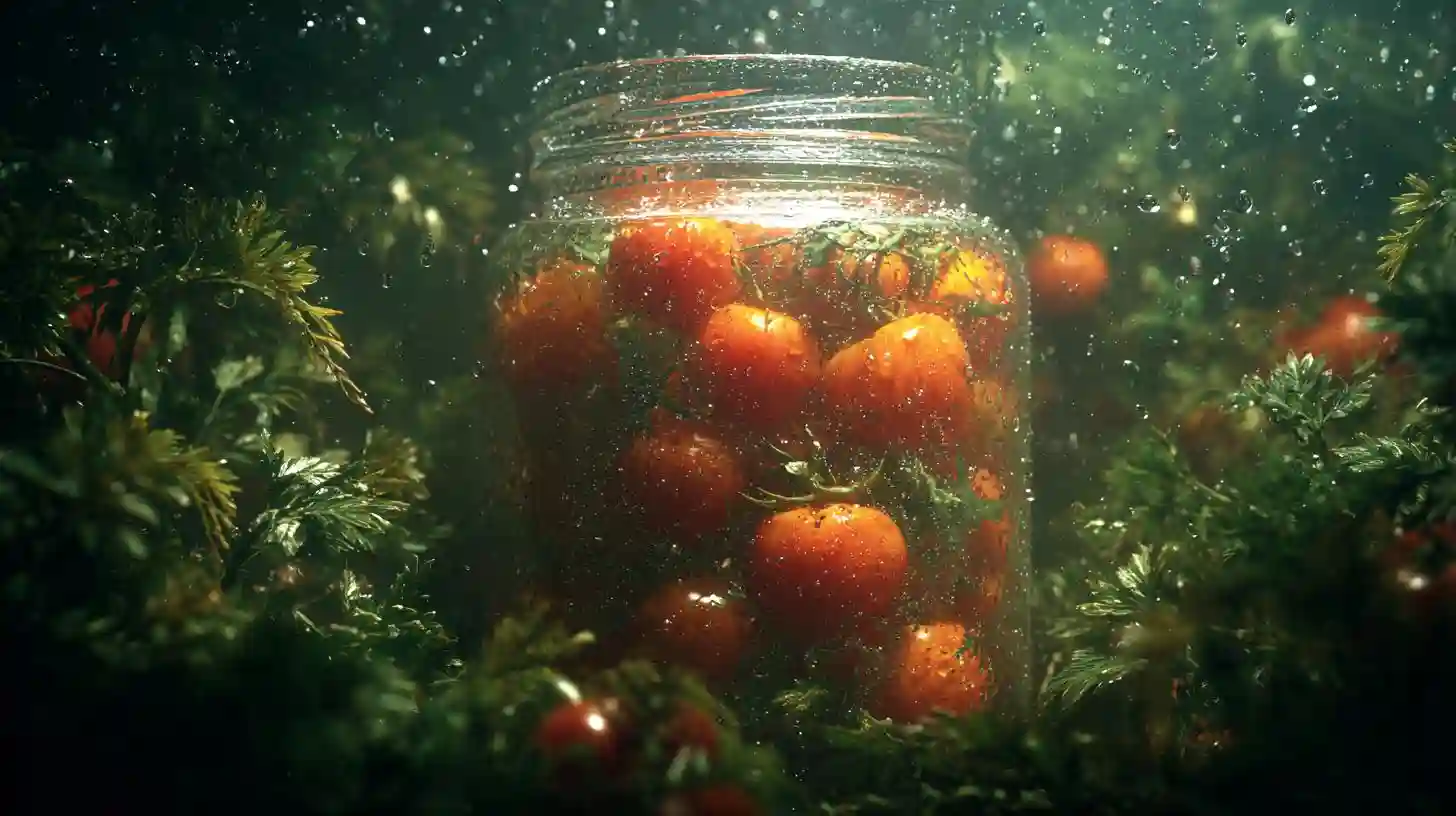
Humidity plays a crucial role in the preservation of food. When the air contains excess moisture, it can promote the growth of microorganisms such as bacteria, mold, and yeast, which thrive in moist conditions. These microorganisms are among the main culprits behind food spoilage, as they break down the food's composition and accelerate its decay. High humidity can also contribute to the softening and wilting of fresh produce, especially fruits and vegetables, making them less appealing and shorter-lived. Furthermore, some foods like bread and grains can absorb moisture from the air, leading to changes in texture, flavor, and quality. This absorption can cause bread to become soggy, and grains to clump together, compromising their long-term usability. On the other hand, low humidity can also have its downsides. If the air is too dry, it can cause foods to lose moisture, leading to dehydration. For instance, fruits and vegetables may shrivel up, and meats can become overly tough or lose their natural juices. Dry conditions can also result in the loss of nutrients, as many vitamins and minerals are sensitive to dehydration. Therefore, maintaining an appropriate level of humidity is essential for food storage and preservation. Proper humidity levels can help slow down microbial growth, maintain the texture and flavor of foods, and reduce spoilage. This is why controlling humidity is critical in environments such as refrigerators, pantries, and warehouses. The ideal humidity level varies depending on the type of food being stored, but it is generally important to avoid extremes to preserve food quality and extend shelf life.