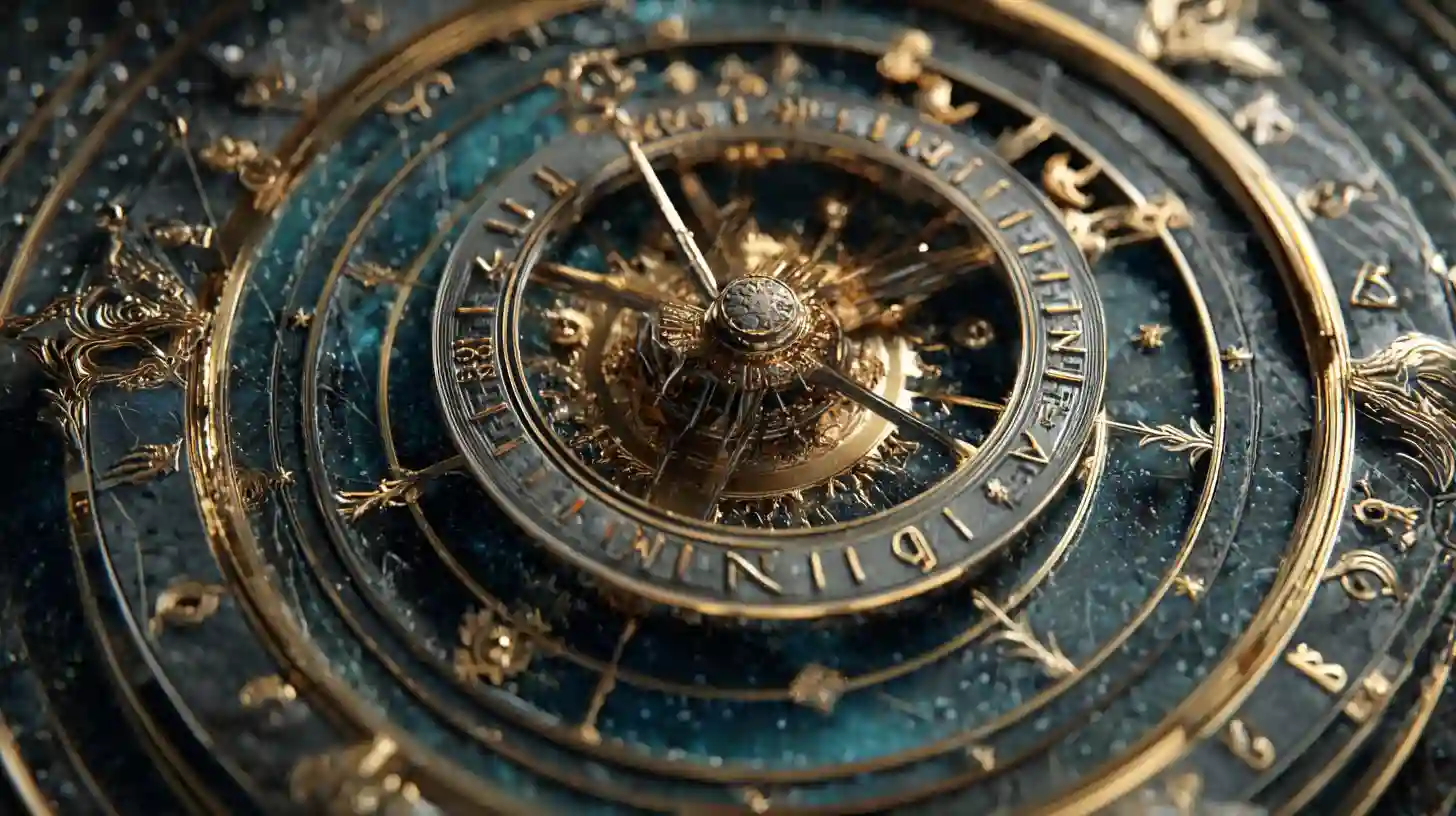
The history of timekeeping devices spans thousands of years, reflecting the ingenuity of humans in their pursuit to measure and organize time. Early societies relied on the natural rhythms of the sun and moon to track time. Ancient Egyptians and Sumerians were among the first to develop sundials, which marked the passage of time using the position of the sun's shadow. These devices, while simple, laid the groundwork for more precise instruments. The Egyptians also introduced the water clock, a device that measured time by the steady flow of water. As civilizations advanced, so did their methods of measuring time.
The Greeks and Romans further refined timekeeping with the development of more sophisticated sundials and water clocks. The Greeks even created the first mechanical clocks, powered by water and later by weights. During the Middle Ages, mechanical clocks evolved in monasteries to help regulate prayers and daily schedules. These early medieval clocks were often large, public structures, relying on complex gears and weights to move the hands.
The Renaissance saw the advent of portable timekeeping devices. In the sixteenth century, European inventors such as Peter Henlein in Germany created the first pocket watches, which were a breakthrough in making timekeeping more accessible. These early pocket watches were crude by today’s standards but marked the beginning of portable personal timepieces.
As technology progressed, so did the precision of timekeeping. The invention of the pendulum clock in the seventeenth century by Christiaan Huygens dramatically improved accuracy. The pendulum, with its consistent motion, provided a stable reference for timekeeping, and these clocks became the most reliable instruments for centuries.
The industrial revolution further revolutionized timekeeping, leading to the creation of standardized clocks and the synchronization of time across regions. The development of the mechanical wristwatch in the late nineteenth century made it possible for individuals to carry time with them, and as manufacturing techniques improved, watches became more affordable.
In the twentieth century, the invention of the quartz clock introduced a new level of accuracy and affordability. Quartz oscillators, powered by the vibrations of a crystal, became the foundation of modern digital watches and clocks. The late twentieth century also saw the rise of atomic clocks, which rely on the vibrations of atoms to measure time with unparalleled precision. These advancements paved the way for the synchronization of global networks and technologies, ensuring that timekeeping remains an essential part of daily life today.