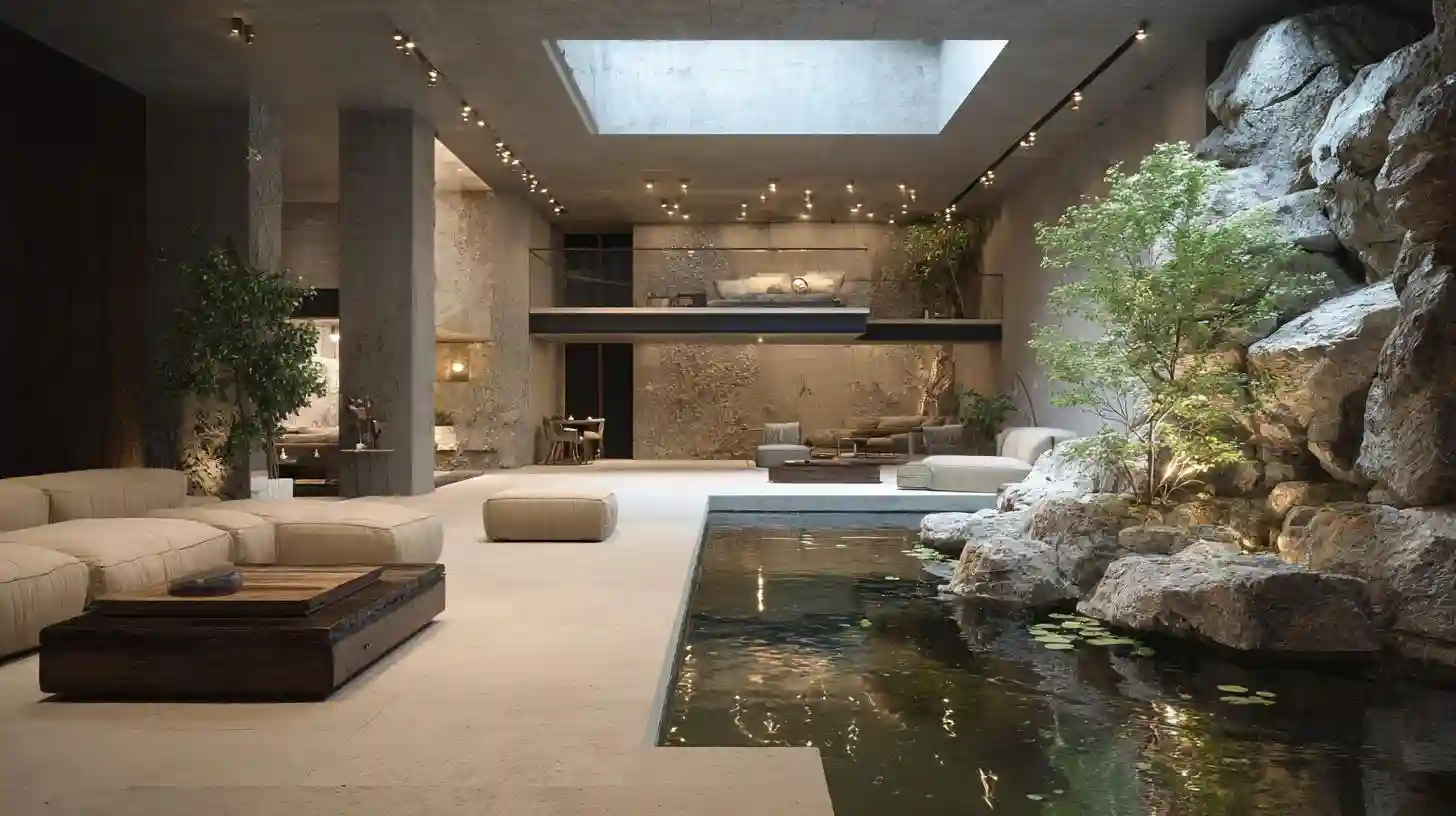
The growing focus on sustainability has profoundly influenced modern interior design, shifting the industry toward the use of sustainable materials. These materials not only address environmental concerns but also contribute to creating healthier living spaces. As people become more conscious of their ecological footprint, interior designers have started to prioritize eco-friendly choices, integrating renewable resources and minimizing waste in their designs. Sustainable materials such as bamboo, reclaimed wood, and natural stone are gaining popularity because they offer both aesthetic appeal and environmental benefits. Bamboo, for instance, is known for its rapid growth and durability, making it an excellent alternative to traditional hardwoods. Reclaimed wood brings a rustic charm while reducing the demand for new timber, which helps preserve forests. Natural stone, like granite or marble, provides a timeless elegance and is often sourced responsibly, ensuring that the environment is not harmed in the extraction process.
Moreover, the shift towards sustainable materials has also led to innovations in manufacturing techniques. Many companies now produce eco-friendly paints, adhesives, and finishes that are low in volatile organic compounds (VOCs), reducing indoor air pollution and improving the quality of indoor environments. Materials that have a long life cycle and require minimal maintenance also contribute to sustainability by reducing the need for frequent replacements, thus reducing overall resource consumption.
In addition to their environmental benefits, sustainable materials often align with the growing demand for wellness-oriented design. Natural materials, with their inherent textures and colors, help create calm, grounding spaces that promote mental well-being. By incorporating these elements, designers can foster a connection with nature, which has been shown to reduce stress and improve mood. Sustainable materials can be incorporated into various aspects of interior design, from furniture and flooring to wall coverings and textiles. This shift not only contributes to the preservation of natural resources but also encourages a more conscious approach to living, where aesthetics and sustainability coexist harmoniously.