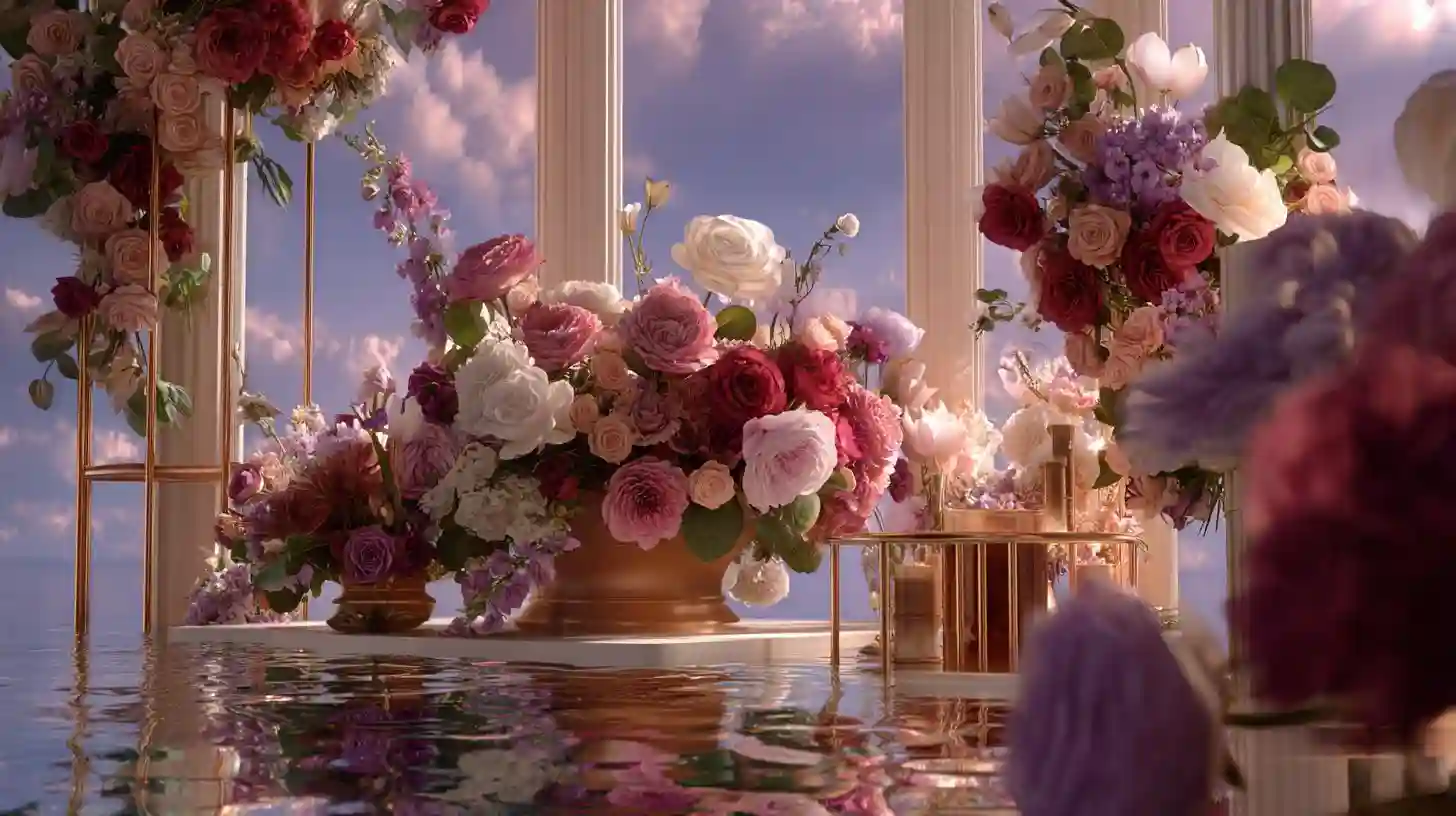
Floral arrangements have a profound influence on interior design trends, acting as both aesthetic enhancements and mood setters. Their natural beauty and vibrant colors bring life to spaces, transforming a room's atmosphere and adding an element of freshness. When integrated into interior spaces, flowers not only serve as decorative items but also reflect the evolving tastes and cultural shifts in design. Over the years, interior designers have turned to florals for inspiration, using them to create striking focal points or subtle accents depending on the desired effect. In the past, floral patterns were a staple in wallpaper, upholstery, and fabrics, but today, flowers are found in more unexpected places like minimalist vases, contemporary art pieces, or even digital prints.
Floral arrangements can guide the use of color within a space. Bright, bold blooms, such as sunflowers or tropical flowers, can bring energy and warmth to a neutral palette, while softer, pastel florals complement more delicate tones, creating a calm and serene atmosphere. In spaces like living rooms, kitchens, or bathrooms, flowers create a sense of harmony and add a personal touch. They introduce a natural element that connects the indoors with the outdoors, reinforcing the trend of biophilic design, where natural materials and elements are incorporated into interior spaces for a holistic living experience.
The choice of flowers in arrangements also often signals shifts in broader cultural trends. For instance, wildflower bouquets or arrangements that feature greenery and plants align with the growing preference for sustainability and eco-conscious design. Similarly, exotic blooms such as orchids or succulents are frequently seen in modern, luxury settings, reflecting a desire for uniqueness and sophistication. In addition to their visual appeal, the fragrance of flowers can contribute to the overall sensory experience of a space, making it not only visually inviting but also pleasant to the senses.
Floral design elements also bridge the gap between seasons. Seasonal flowers allow interior spaces to adapt to the changing environment outside, offering flexibility in how rooms are styled throughout the year. In winter, arrangements of holly and evergreens evoke a festive, cozy ambiance, while spring brings the freshness of tulips and daffodils, signaling renewal and growth. By using flowers in design, spaces feel more dynamic and in tune with the world around them.