 International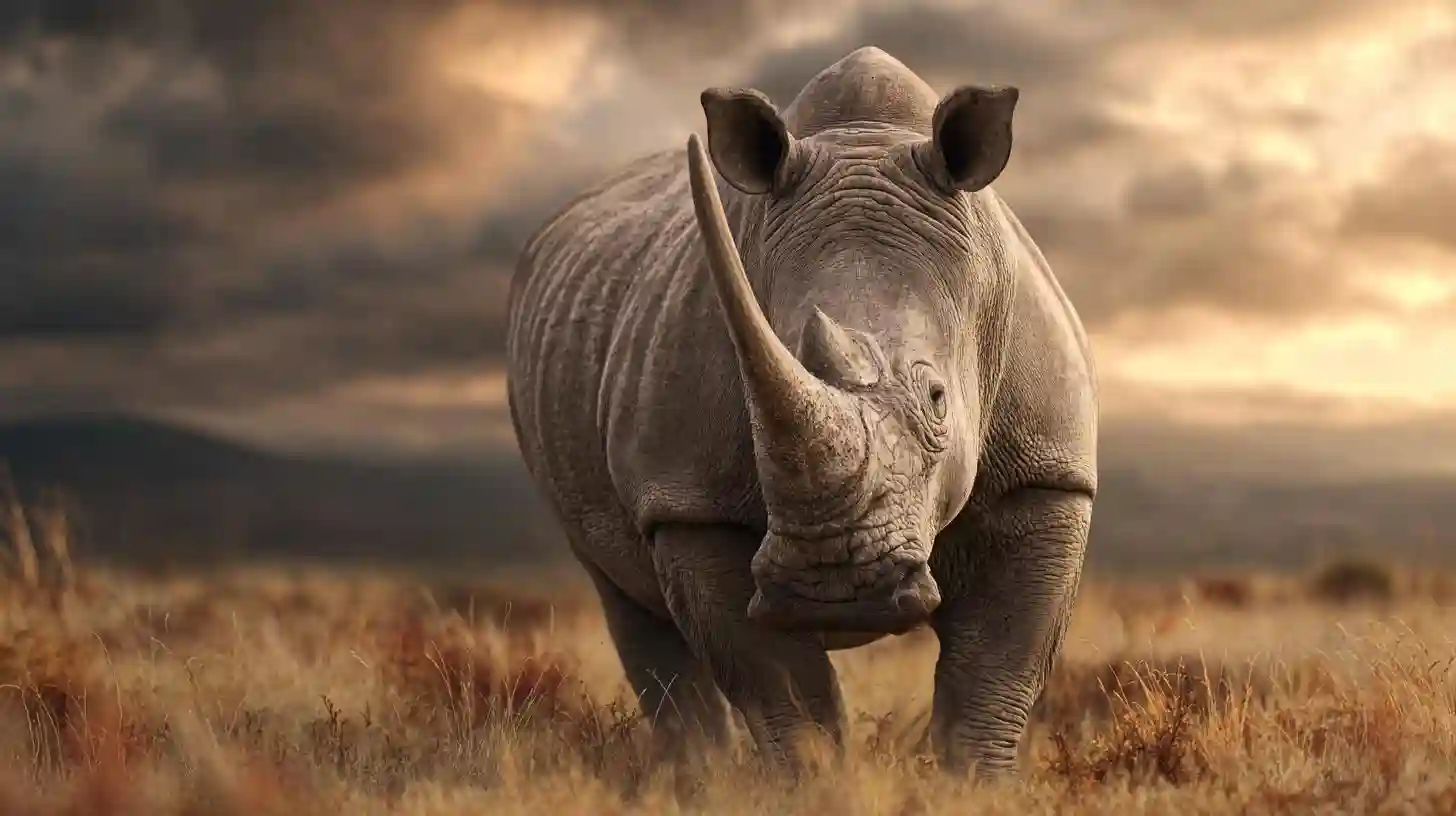
Rhinos are among the most iconic and ancient creatures on Earth, their presence dating back millions of years, yet their survival in the modern world is under constant threat. Once roaming vast stretches of Africa and Asia, these majestic animals now face shrinking habitats, poaching pressures, and the consequences of human encroachment. Their unique horns, prized in illegal wildlife markets, have made them targets for relentless poachers, driving several species dangerously close to extinction. Conservationists around the world have recognized the urgent need to act, deploying a combination of scientific, technological, and community-based strategies to protect rhino populations and ensure their future. Efforts begin with understanding the complex ecology of rhinos, including their feeding habits, territorial behaviors, and breeding patterns. Field researchers track rhino movements using GPS collars and camera traps, collecting data that helps determine safe zones for their survival. These monitoring techniques allow for rapid responses when poaching threats arise and also provide insight into how rhinos interact with their environment, which is essential for designing effective conservation strategies. Anti-poaching initiatives are a cornerstone of these efforts, involving highly trained rangers who patrol reserves and respond to illegal activities. Some programs have incorporated advanced technologies such as drones, thermal imaging, and motion sensors to detect and deter poachers before they can harm the animals. The use of DNA profiling and horn tracing has also become an essential tool in tracking illegal wildlife trade networks, helping authorities apprehend those responsible and reduce the demand for rhino products. Habitat protection and restoration are equally critical, as the fragmentation of natural landscapes has limited the ability of rhinos to roam freely and find food and mates. Conservationists work to secure large tracts of land, establish wildlife corridors, and rehabilitate degraded areas to create environments where rhinos can thrive. Collaboration with local communities plays a significant role in these initiatives, fostering a sense of shared responsibility for wildlife preservation. By providing economic incentives such as employment in ecotourism or conservation programs, locals are encouraged to protect rather than exploit rhinos, bridging the gap between human needs and environmental stewardship. Breeding programs have also been implemented to support population recovery, particularly for species with critically low numbers. Captive breeding facilities carefully manage genetic diversity to avoid inbreeding and maintain healthy populations. Successful births in these controlled environments provide hope that, combined with habitat protection, rhinos can be reintroduced into the wild to bolster dwindling populations. International cooperation underpins many of these conservation measures, as rhino survival is a global concern requiring coordinated policies and funding. Organizations and governments collaborate on cross-border anti-poaching patrols, legal frameworks to punish wildlife crime, and public awareness campaigns to reduce demand for rhino horns. Education and advocacy are essential in shifting cultural perceptions that fuel poaching, emphasizing the ecological importance of rhinos and the consequences of their decline. Scientific research continues to enhance conservation practices, exploring innovations such as immunocontraception to manage population growth in confined areas and veterinary care to treat injuries or diseases that may impact rhino survival. Conservationists also experiment with habitat enrichment and behavioral interventions to improve the chances of young rhinos reaching maturity and reproducing. Despite the immense challenges, there have been notable successes that demonstrate the resilience of rhinos and the effectiveness of dedicated conservation. Some reserves have seen population increases, and communities once reliant on poaching are becoming key allies in protecting wildlife. These positive outcomes highlight that a multi-faceted approach combining protection, science, community engagement, and policy enforcement can make a tangible difference. The journey to secure the future of rhinos is ongoing, demanding vigilance, adaptability, and unwavering commitment. Each initiative, whether it involves field monitoring, anti-poaching patrols, or educational outreach, contributes to creating an environment where these remarkable animals can continue to roam the Earth and fulfill their role in maintaining the ecological balance of their habitats.