 International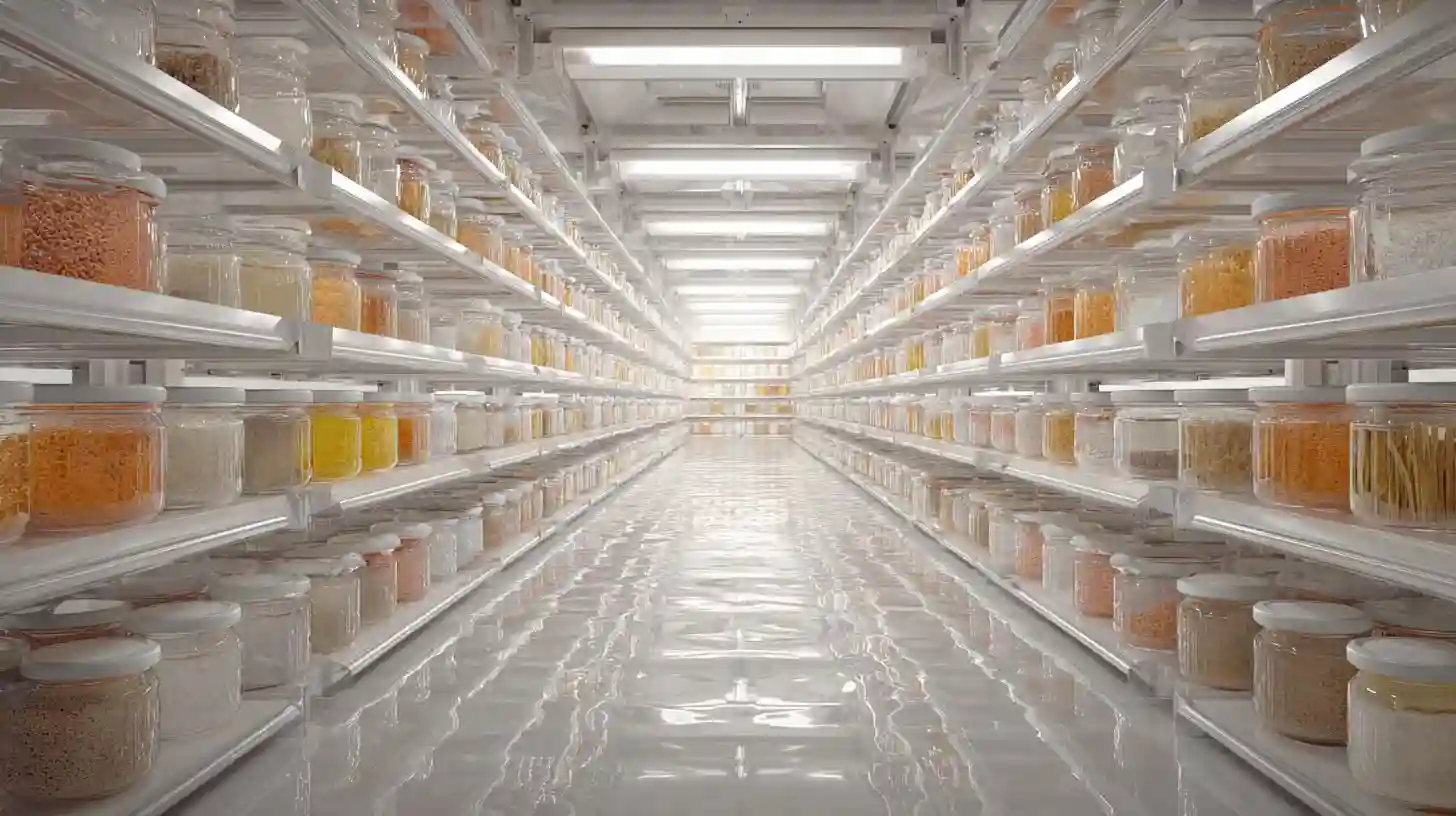
Food safety is a crucial aspect of maintaining good health, and a significant part of ensuring food safety lies in how food is stored and the materials used in the process. Improper storage can lead to contamination, spoilage, and the growth of harmful bacteria or pathogens. With the right knowledge and materials, it is possible to extend the shelf life of food and protect it from health risks. One of the most important factors in food safety is controlling temperature. Refrigeration is vital for perishable items such as dairy, meat, and fruits. Without proper refrigeration, bacteria multiply rapidly, leading to foodborne illnesses. To prevent this, it is essential to ensure that refrigerators maintain a temperature of around four degrees Celsius, and freezers should be at minus eighteen degrees Celsius or lower. This temperature control helps slow down the growth of bacteria, keeping the food fresh for longer periods.
The way food is stored also plays a key role in preventing contamination. For instance, storing raw meat separately from ready-to-eat food items is critical to avoid cross-contamination. Raw meat can contain harmful bacteria like Salmonella or E. coli, and if it comes into contact with fruits, vegetables, or prepared foods, it can transfer these harmful pathogens. Using sealed containers and separating different types of food ensures that pathogens do not spread from one item to another. In addition, storing food in airtight containers helps preserve its freshness and prevents moisture, which can cause mold growth and spoilage.
Using the right materials for food storage is equally important. Plastic containers, glass jars, and food storage bags are commonly used, but it is essential to choose the right type based on the food being stored. For example, using a plastic bag or wrap to store raw meat or fish may be convenient, but it should be designed specifically for freezing to prevent freezer burn. Freezer bags are thicker and can withstand extremely low temperatures, unlike regular plastic bags, which can tear easily and allow air to reach the food, leading to dehydration and loss of quality. On the other hand, glass containers are a great option for storing dry goods such as grains, pasta, or beans, as they do not react with the food and provide a tight seal to keep out air and moisture.
In addition to temperature and proper containers, the materials used to handle food are also a consideration. Cutting boards, knives, and other utensils that come into contact with food should be regularly cleaned and sanitized to avoid contaminating food with bacteria. Wooden cutting boards, for instance, can harbor bacteria in their grooves if not properly cleaned. In contrast, plastic cutting boards are easier to sanitize and less likely to absorb bacteria, making them a safer choice for cutting raw meat. Likewise, kitchen towels, dishcloths, and sponges should be washed frequently, as they can become breeding grounds for bacteria if left damp or unwashed.
Packaging plays a vital role in maintaining food safety as well. Vacuum sealing, for example, helps keep food fresh for a longer period by removing air, which is a major contributor to spoilage. This method is especially effective for preserving meat, fish, and vegetables. However, it is important to ensure that the vacuum-sealed bags are food-safe and do not contain harmful chemicals such as BPA. Many manufacturers now produce BPA-free plastic bags, making it easier to store food safely without worrying about the risk of chemical contamination.
When storing food in the pantry or cupboard, it is also essential to ensure that the storage area is clean, cool, and dry. Humidity and heat can promote the growth of mold and attract pests such as insects or rodents. Storing food in airtight containers in these conditions helps prevent contamination and keeps it fresh for an extended period. Additionally, rotating food stocks based on their expiration dates ensures that older items are used first, reducing the risk of spoilage.
As people become more conscious of food safety, the materials and methods used to store food are constantly evolving. Innovative technologies such as biodegradable packaging and food-safe antimicrobial materials are becoming increasingly popular, providing safer and more sustainable options for food storage. Choosing the right materials, storing food properly, and maintaining the right temperature are essential practices in maximizing food safety, ensuring that the food we consume is both fresh and free from harmful contaminants.