 International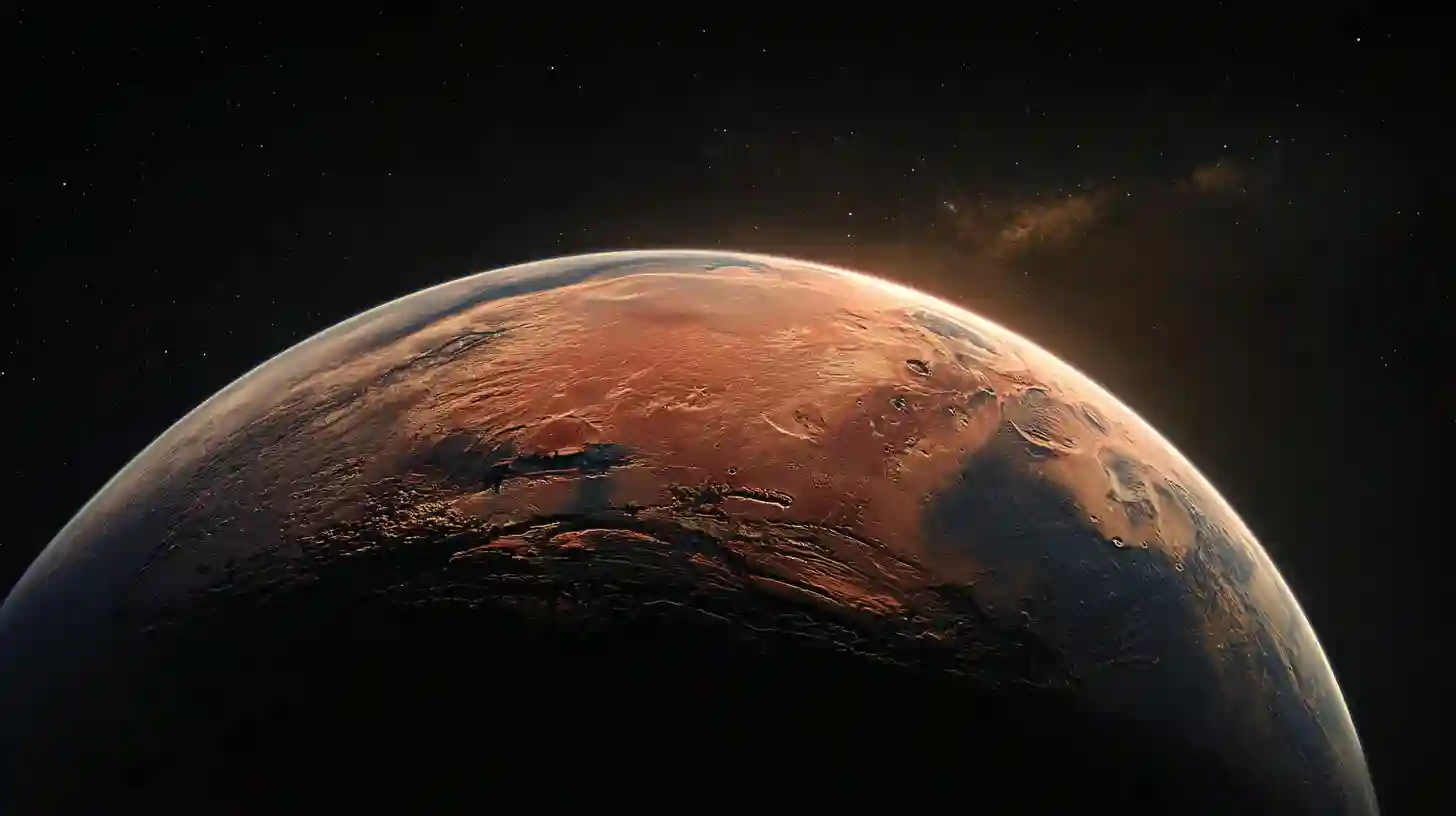
Breaking Scientific Barriers: Mars Exploration in the Realm of Space Technology
Mars exploration has long captured the human imagination, driven by the desire to understand the red planet's secrets and explore its potential as a second home for humanity. In recent decades, the relentless advances in space technology have made the once impossible seem plausible, as nations and private entities alike have focused their efforts on missions to Mars. These endeavors have not only expanded our knowledge of the solar system but have also pushed the limits of engineering, robotics, and science itself. The intricate web of challenges that come with reaching and studying Mars is a testament to how far human ingenuity has come in overcoming barriers previously deemed insurmountable.
Mars is one of Earth's closest neighbors in space, and for centuries, scientists and astronomers have been fascinated by the planet. Its landscape, climate, and potential for supporting life are some of the primary motivations behind the exploration. The challenge, however, is the vast distance that separates Earth from Mars, the planet's thin atmosphere, and its hostile environmental conditions, which include extreme temperatures, dust storms, and high radiation levels. These factors make landing on Mars and conducting long-term research an endeavor that requires a unique set of technological solutions.
The advent of space technology has been the catalyst for transforming Mars exploration from a dream into a reality. The development of more advanced rocket propulsion systems, capable of carrying payloads over vast distances, has been crucial. Traditional chemical propulsion, though effective, had limitations when it came to carrying the heavy loads needed for Mars missions. The breakthrough came with the development of new propulsion technologies, such as ion engines, which offer greater fuel efficiency and the potential for faster travel across space. This advancement allows spacecraft to carry not just the equipment necessary for landing, but also the resources needed for longer stays on Mars, including food, water, and life-support systems.
Equally important are the technological innovations in spacecraft and lander design. In the past, space agencies faced enormous challenges in safely landing objects on the Martian surface. Unlike the Moon, Mars has a thin atmosphere, making it difficult to slow down a spacecraft before it crashes into the surface. To address this, engineers have developed a range of landing techniques, from traditional parachutes to more sophisticated methods like skycranes. The ingenuity behind these landing systems exemplifies the blend of creativity and technical prowess required to succeed in Mars exploration.
One of the most significant milestones in recent Mars exploration came with the development of autonomous rovers. These robotic vehicles have transformed how scientists interact with Mars. With highly advanced cameras, sensors, and tools, rovers like Curiosity and Perseverance have been able to conduct on-the-ground research, gathering data that would be impossible for human astronauts to obtain from Earth. These rovers have provided invaluable information about Mars' geology, climate, and the possibility of past life, uncovering evidence of ancient rivers, lakes, and signs of organic molecules that hint at Mars' potential to support microbial life in its distant past.
Furthermore, the role of artificial intelligence in Mars exploration has been indispensable. Autonomous navigation systems allow rovers to travel and make decisions based on their environment without constant input from mission control. AI-based systems can analyze the terrain, assess potential hazards, and choose the best paths for exploration. This technological leap not only increases the efficiency of missions but also reduces the time delay that comes from communications between Earth and Mars, allowing for a more responsive and adaptable exploration process.
In addition to technological advancements in robotic exploration, space agencies have begun planning for human missions to Mars. NASA, SpaceX, and other organizations are developing life-support systems, habitats, and new propulsion technologies that will enable humans to travel and survive on Mars. The development of in-situ resource utilization (ISRU) technologies, such as systems that can extract water from the Martian soil and generate oxygen from the planet's carbon dioxide-rich atmosphere, will be crucial for supporting long-term human presence. These technologies are breaking down the barriers to sustaining human life on another planet, making it increasingly feasible to envision a future where humans not only visit Mars but live and work there.
Mars exploration has also opened the door to new questions and theories in the field of astrobiology. By studying the Martian environment, scientists have been able to make significant strides in understanding the potential for life beyond Earth. The discovery of organic molecules on Mars has prompted new questions about the possibility of life evolving on other planets under different conditions. As space technology continues to evolve, these scientific inquiries are bound to deepen, potentially reshaping our understanding of life in the universe.
The path forward for Mars exploration remains a challenging one, but the progress made so far has been nothing short of remarkable. The technological innovations that have made these missions possible are a testament to the power of human curiosity and ingenuity. As we continue to push the boundaries of what is possible in space exploration, Mars stands as both a destination and a symbol of our relentless quest to understand the cosmos. With each mission, we take one step closer to breaking down the barriers that separate us from the stars.