 International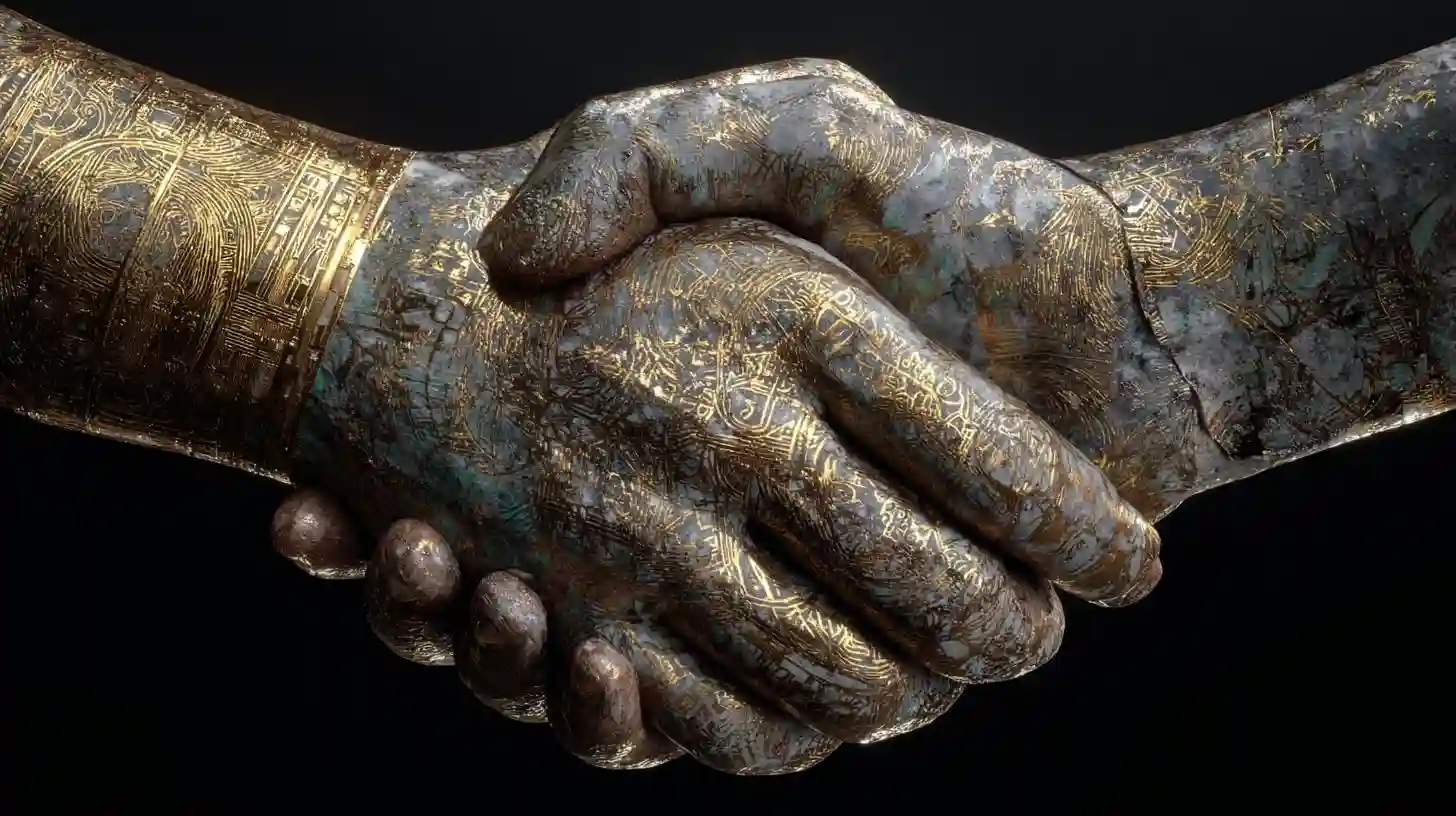
The handshake is one of the most universally recognized gestures of greeting, agreement, and respect, yet its origins and significance vary greatly across cultures and historical periods. This simple act of extending the hand has evolved over centuries to convey trust, equality, and mutual recognition, but its meanings are often deeply rooted in the social, political, and spiritual frameworks of different societies. Exploring the origins and significance of the handshake reveals not only the universality of human social behavior but also the nuances of cultural interpretation that shape how people connect with one another. Historically, the handshake can be traced back to ancient civilizations, where it served both symbolic and practical functions. In ancient Greece, the handshake was frequently depicted in art and literature as a gesture of peace and friendship, often used to signify that neither party carried a weapon. This practice underscores the handshake's role as a physical manifestation of trust, a tangible assurance that individuals approached one another with goodwill rather than hostility. Similarly, in Roman society, the handshake became a formalized gesture among soldiers and citizens alike, used in both military and civic contexts to signify loyalty, agreement, and solidarity. This practical application highlights the dual function of the handshake as both a social lubricant and a formal ritual that reinforced bonds within a community. Across the centuries, the handshake has also played a significant role in diplomacy and governance. In medieval Europe, the gesture was often employed during negotiations or treaty signings, providing a physical seal of agreement that complemented written documentation. This ritualistic aspect of the handshake illustrates its enduring symbolic power as a tool for affirming commitments and creating a sense of accountability. In many non-Western cultures, similar gestures developed independently, reflecting shared human needs for trust and connection. In parts of Africa, for example, traditional greetings often involve intricate hand movements that convey respect, status, and communal belonging. These gestures can be seen as culturally specific variations on the universal theme of establishing mutual understanding and rapport through touch. In East Asian societies, the handshake was historically less prominent, with bowing or other gestures serving as primary forms of greeting, yet in modern contexts, handshakes have become a common practice in business and international diplomacy, demonstrating the gesture’s adaptability and cross-cultural adoption. The significance of the handshake extends beyond mere etiquette, serving as a powerful indicator of social and psychological states. Studies in social psychology suggest that handshakes can influence first impressions, establish interpersonal rapport, and even affect negotiation outcomes. A firm handshake, for instance, is often interpreted as a sign of confidence and assertiveness, whereas a weak or hesitant handshake may convey uncertainty or lack of engagement. This subtle form of nonverbal communication reveals the handshake’s role as a complex, multi-layered tool that conveys information about intentions, personality, and social standing. The physical mechanics of a handshake—grasping another person’s hand, applying pressure, and maintaining eye contact—create a sense of reciprocity and shared experience. This embodied interaction fosters a connection that transcends verbal communication, reinforcing social bonds and trust. Across cultures, variations in the handshake reflect local norms and values, demonstrating how a single gesture can carry a wide range of meanings depending on context. In some cultures, the handshake is combined with additional gestures such as bowing, clasping, or patting, each element adding layers of meaning that communicate respect, hierarchy, or affection. In others, the handshake functions primarily as a transactional tool, marking agreements, introductions, or farewells without necessarily conveying deeper emotional resonance. The enduring relevance of the handshake in contemporary society highlights the adaptability of human social rituals. Despite the rise of digital communication and changing social conventions, handshakes continue to function as a tangible, shared experience that embodies trust and mutual recognition. They bridge generational and cultural divides, creating a sense of common humanity that resonates across borders and historical eras. The exploration of the handshake’s origins and significance thus offers a window into the ways humans have navigated relationships, built trust, and expressed social cohesion throughout history, revealing a gesture that is deceptively simple yet profoundly meaningful in its cultural and psychological dimensions.