 International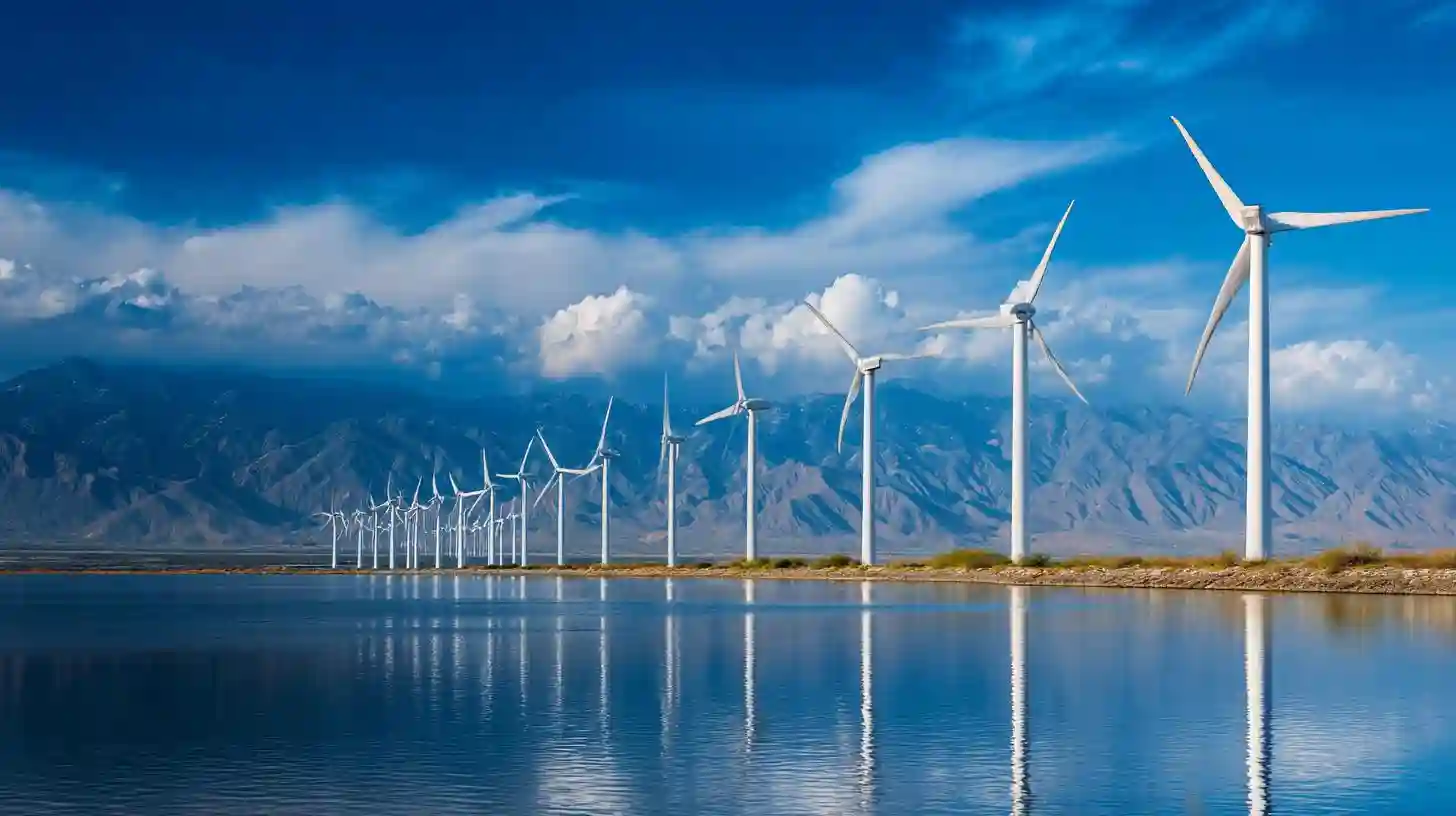
Renewable energy is no longer just a hopeful ideal; it has become a driving force in the global quest to reduce carbon footprints and combat climate change. As concerns about environmental sustainability continue to rise, technological advancements are paving the way for a cleaner, greener future. A wide range of innovations in renewable energy has emerged in recent years, transforming the energy landscape. These breakthroughs promise to change how we produce, store, and consume energy in ways that were previously unimaginable.
One of the most exciting developments in the field of renewable energy is the progress in solar power technology. Solar cells have been around for decades, but recent advancements in materials science have allowed researchers to create more efficient and affordable solar panels. The development of perovskite solar cells, for example, has opened up new possibilities for solar energy. These cells have the potential to be cheaper, more efficient, and easier to manufacture than traditional silicon-based solar cells. Moreover, perovskite cells can be made flexible, which enables their application in a wider range of environments, from rooftops to the fabric of clothing.
Wind energy, too, has seen remarkable improvements. Offshore wind farms, in particular, have become a game-changer. Technological advancements in turbine design, coupled with innovations in floating wind farms, have allowed for more efficient energy capture in deeper waters. Floating wind turbines are especially important because they can be placed further offshore, where winds are stronger and more consistent. This opens up vast areas of ocean that were previously inaccessible to traditional fixed turbines. The ability to harness wind power from deeper waters not only boosts energy production but also reduces the visual and environmental impact of wind farms on coastal communities.
Energy storage solutions have always been a significant challenge for renewable energy. The intermittent nature of solar and wind power makes it difficult to store energy for later use. However, new developments in battery technology are changing that dynamic. Solid-state batteries, for example, offer greater energy density, faster charging times, and longer lifespans than traditional lithium-ion batteries. These batteries are seen as a key enabler for the widespread adoption of renewable energy, as they allow excess energy to be stored for use during periods of low generation. In addition, innovations in flow batteries and other forms of energy storage are helping to make renewable energy more reliable and accessible.
Hydropower, a renewable energy source that has been in use for centuries, is also undergoing significant transformations. While traditional hydropower plants are often associated with large-scale dams and significant environmental disruption, new approaches are being developed that are more sustainable. Small modular hydropower systems are being designed to generate energy with minimal environmental impact, and advances in tidal and wave energy are unlocking new potential for harnessing the power of water. These developments promise to expand the reach of hydropower while minimizing the ecological footprint.
Another major area of innovation is in green hydrogen. Hydrogen has long been touted as a clean alternative to fossil fuels, but until recently, the production of hydrogen required significant energy input, often from non-renewable sources. However, breakthroughs in electrolysis technology have made it possible to produce green hydrogen from renewable energy sources such as wind and solar. Green hydrogen can be used as a fuel for transportation, industry, and electricity generation, providing a versatile energy carrier that can help decarbonize sectors that are hard to electrify, such as heavy industry and long-distance transport.
Geothermal energy is also gaining traction as a reliable and sustainable energy source. While geothermal power plants have been in operation for decades, advancements in drilling technology and exploration techniques have made it possible to tap into previously inaccessible geothermal resources. Enhanced geothermal systems (EGS) allow for the extraction of heat from deep within the Earth, providing a consistent and reliable source of energy. This is particularly important in regions where other renewable resources, such as solar or wind, are not as abundant.
The concept of the smart grid is transforming the way energy is distributed and managed. A smart grid uses advanced technology to monitor and control the flow of electricity across the grid, allowing for better integration of renewable energy sources. It helps to balance supply and demand in real-time, ensuring that energy is used efficiently and that renewable energy is optimally utilized. The integration of electric vehicles into the grid further enhances its flexibility, enabling vehicles to serve as mobile energy storage units.
Advances in artificial intelligence (AI) and machine learning are also playing a critical role in the development of renewable energy. AI algorithms are being used to optimize energy production, predict weather patterns, and improve the efficiency of energy storage systems. Machine learning can help predict which areas are most suitable for the installation of solar or wind farms, thereby reducing costs and maximizing energy output. Furthermore, AI is being utilized to design more efficient energy systems and identify faults or inefficiencies in renewable energy infrastructure.
One of the most promising breakthroughs is the advent of advanced biofuels. While biofuels have been around for some time, recent innovations have made them much more efficient and sustainable. Algae-based biofuels, for example, have the potential to provide a cleaner and more abundant source of fuel than traditional crop-based biofuels. These algae can be grown on non-arable land, require little water, and do not compete with food production, making them a viable alternative to fossil fuels.
Finally, the growing trend of decentralized energy production is changing the way we think about energy generation. Distributed energy systems, such as rooftop solar panels, community wind farms, and local energy cooperatives, allow individuals and communities to produce their own power. This decentralized approach not only reduces reliance on centralized power plants but also empowers consumers to take control of their energy needs. By integrating renewable energy sources at the local level, these systems contribute to greater energy security and resilience.
These groundbreaking advancements in renewable energy technologies are creating a new era of sustainable solutions. They offer not only the promise of cleaner energy but also the opportunity for a more resilient and equitable energy system. As innovation continues to drive progress, renewable energy will play an increasingly central role in building a sustainable future for generations to come.