 International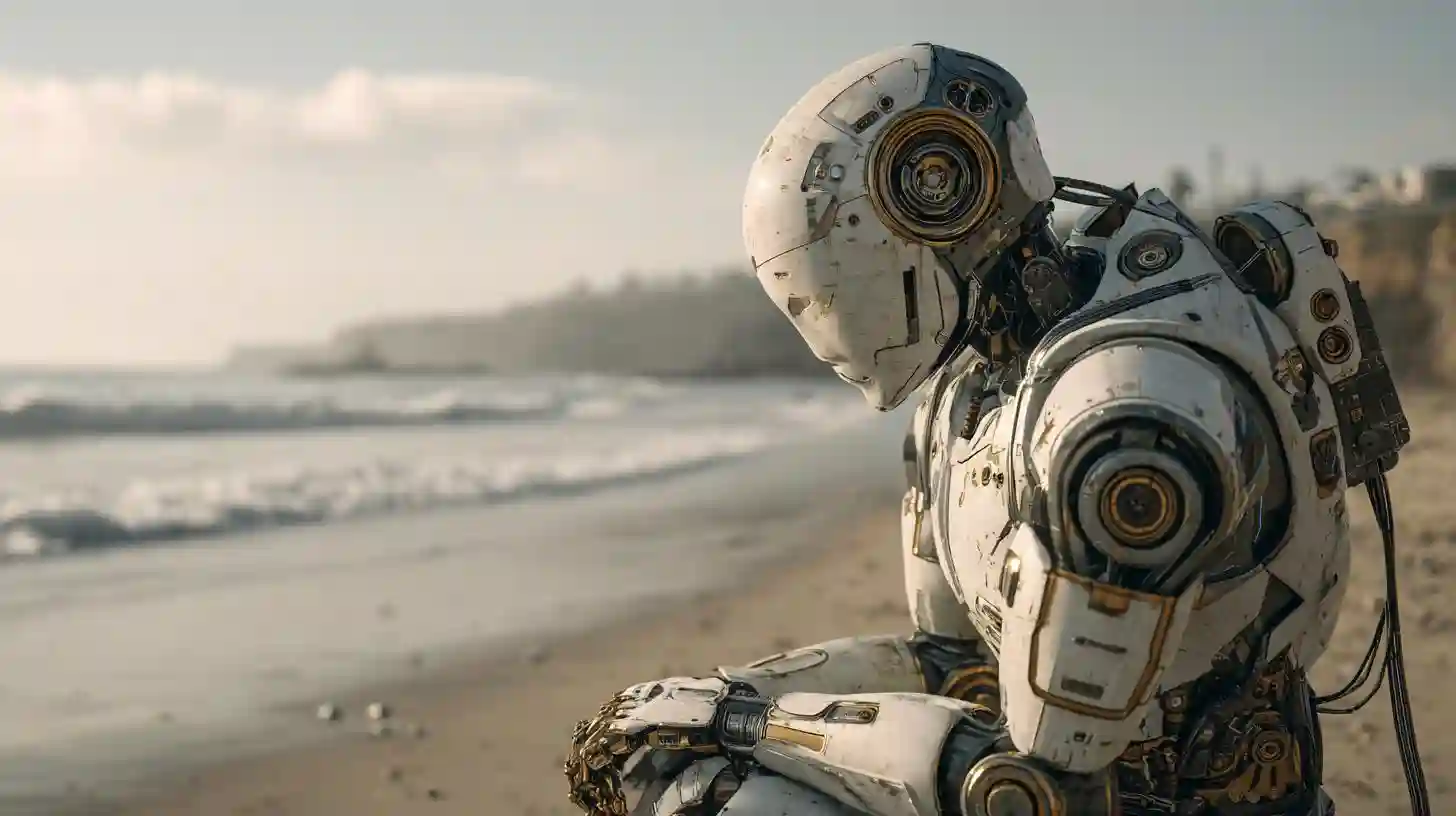
The concept of emotional robots has grown significantly in recent years, revolutionizing the way humans interact with machines. These robots are not just designed to perform tasks but to engage with people in a way that mirrors human emotional responses, leading to more intuitive and meaningful interactions. Traditionally, robots were created as tools to perform specific, mechanical tasks. However, as artificial intelligence has advanced, machines have begun to move beyond their utilitarian functions, incorporating emotional intelligence into their design. This shift has been spurred by the realization that human interaction is not only about completing tasks but also about establishing connections, understanding emotions, and responding to human needs on a deeper level.
Emotional robots are typically equipped with sophisticated sensors and algorithms that allow them to read and respond to human emotions. These machines use facial recognition, voice analysis, and even body language to assess how a person is feeling, then adjust their behavior accordingly. For instance, a robot may detect signs of frustration or sadness in a person's voice or facial expression and respond with empathy, offering comfort or encouragement. Such robots are designed to simulate emotional intelligence, a key component that allows humans to bond with others and form relationships.
The impact of these robots is particularly noticeable in sectors like healthcare and education, where emotional connections are crucial. In hospitals, robots can act as companions for elderly patients or children, offering comfort and reducing feelings of loneliness. These machines can monitor patients' health conditions while also engaging them emotionally, fostering a sense of companionship that might otherwise be absent in a clinical setting. In schools, emotional robots can assist children with learning disabilities or those on the autism spectrum by responding to their emotional cues and adapting their teaching methods accordingly. This creates a more personalized and supportive learning environment, helping students feel more understood and engaged.
Furthermore, emotional robots are helping to bridge the gap between technology and human interaction in customer service. Many businesses have adopted robots capable of understanding customer emotions to provide better service. These robots can detect frustration or confusion in a customer's voice or body language and adjust their responses to ensure a more positive interaction. By being attuned to emotional states, they can offer reassurance, clarity, or empathy, which enhances the customer experience and strengthens brand loyalty.
The evolution of emotional robots also brings forward ethical questions about the role of machines in human relationships. While robots can simulate emotional responses, there remains a debate over whether these responses are genuine or simply programmed reactions. Critics argue that relying too much on emotional robots could lead to a lack of true human connection, especially if individuals begin to form emotional attachments to machines. Others believe that emotional robots can be a valuable tool, enhancing human connections rather than replacing them. The key challenge lies in ensuring that these robots are designed to complement human interaction, not replace it entirely.
One of the significant benefits of emotional robots is their potential to enhance accessibility and inclusion. For individuals with disabilities, these robots can provide support in ways that were previously difficult or impossible. Robots with emotional intelligence can offer assistance to people with visual or hearing impairments by using other forms of communication, such as touch or vibration, to express emotions. This allows individuals to experience a richer, more interactive environment, which can improve their quality of life.
Despite the advancements in technology, emotional robots still face limitations. They may be able to simulate emotional intelligence, but they lack the true depth of human experience. Robots are programmed to recognize patterns and respond to stimuli, but they do not experience emotions themselves. This limitation raises questions about how far we can rely on robots to provide meaningful emotional support. While they can offer comfort and assistance, they cannot replace the nuanced understanding and empathy that comes from human relationships.
As emotional robots continue to evolve, their integration into society will undoubtedly change the landscape of human-machine interaction. These machines are becoming more sophisticated in understanding and responding to emotions, opening up new possibilities for how technology can improve our lives. They offer the potential to enhance relationships, provide care, and foster deeper connections in various settings. However, their development also raises important ethical considerations that need to be addressed to ensure that these machines enhance rather than replace human interaction. The future of emotional robots holds promise, but it is essential that their role in society is carefully managed to maintain the balance between human connection and technological innovation.