 International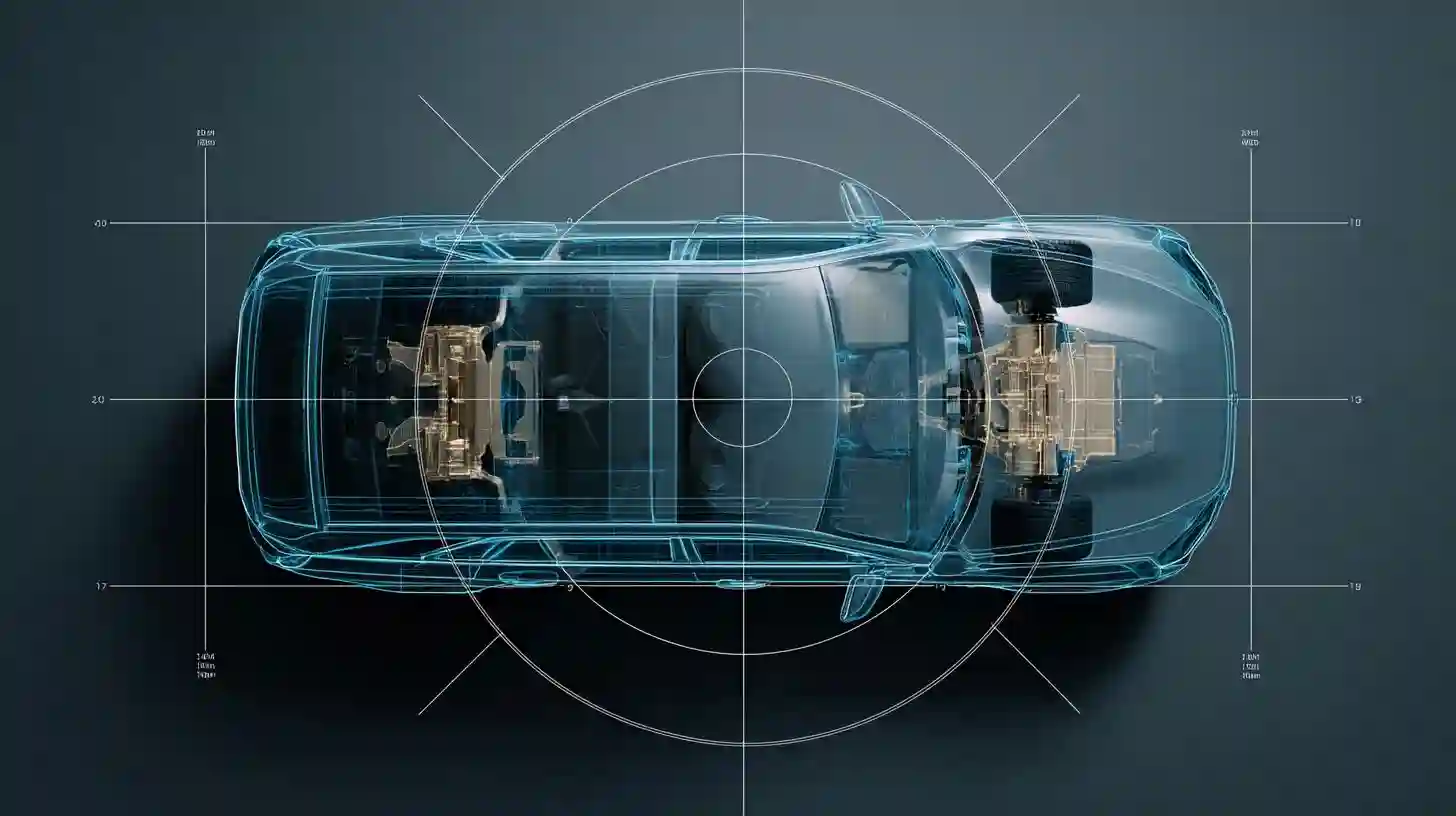
The evolution of automotive technology has given rise to more sophisticated car interconnect systems, which are pivotal in the modern automotive ecosystem. These systems allow vehicles to communicate both internally and externally, enhancing driver experience, safety, and vehicle performance. The rise of connected cars has led to the integration of a wide variety of technologies, from wireless communication to Internet of Things (IoT) capabilities, reshaping how vehicles operate and interact with the world.
One of the core aspects of car interconnect systems is the use of various sensors and devices within the vehicle that gather real-time data. These sensors monitor everything from the car's engine performance to its surroundings, feeding data into the car’s onboard network. This network, often referred to as a controller area network (CAN), acts as the central nervous system of the car, facilitating communication between different components. For example, the braking system, infotainment, and even the climate control system can exchange information via this network, optimizing performance and creating a more seamless driving experience.
Moreover, the interconnect systems extend beyond the car itself, linking the vehicle to external infrastructure, such as traffic management systems and other vehicles. This connectivity enables features like real-time traffic updates, automatic route adjustments, and even vehicle-to-vehicle (V2V) communication, which can help prevent collisions by alerting drivers to hazards that may not be visible or detectable by traditional means. This form of interconnectivity is a critical step toward creating autonomous vehicles that can communicate with each other and their environment, improving safety and reducing the likelihood of accidents.
In addition to safety, car interconnect systems are transforming the infotainment and user experience inside vehicles. The integration of smartphones, voice assistants, and cloud-based services has revolutionized how drivers and passengers interact with the vehicle. With features like hands-free navigation, streaming music, and real-time weather updates, passengers can stay connected and entertained while on the road. The seamless integration of these technologies ensures that drivers can focus on the road without being distracted by manual controls.
Another significant area where car interconnect systems are making a major impact is vehicle maintenance and diagnostics. Through constant monitoring of various car systems, manufacturers can send out over-the-air (OTA) updates to fix bugs, improve software performance, or enhance vehicle features without requiring the driver to visit a service center. This level of connectivity also allows for predictive maintenance, where the car can alert the driver to upcoming maintenance needs based on real-time data. This proactive approach to maintenance not only increases convenience for car owners but also extends the life of the vehicle by addressing potential issues before they become major problems.
However, with all the benefits that car interconnect systems bring, they also raise concerns, particularly around cybersecurity. As vehicles become more connected, they also become more vulnerable to hacking and other forms of cyberattacks. If malicious actors gain access to a vehicle’s network, they could potentially take control of critical systems like steering, braking, or acceleration, posing significant risks to safety. This has led automakers to focus heavily on developing robust cybersecurity measures, such as encryption and multi-layered security protocols, to protect the data and functionality of their vehicles.
The role of artificial intelligence (AI) in car interconnect systems is also becoming increasingly important. AI algorithms can analyze the vast amounts of data collected by sensors and onboard systems, providing insights into vehicle performance and driving patterns. This data can be used to personalize the driving experience, adjust settings based on the driver’s preferences, and even predict potential vehicle failures before they happen. In autonomous vehicles, AI plays a critical role in decision-making processes, allowing the vehicle to react to its surroundings and make intelligent driving decisions in real time.
As we move toward a future where interconnected systems will dominate not only vehicles but entire cities, the integration of car interconnect systems will continue to evolve. The ultimate goal is to create a more efficient, safer, and environmentally-friendly driving experience that benefits everyone. By incorporating cutting-edge technologies like machine learning, AI, and enhanced cybersecurity, car interconnect systems will remain at the forefront of innovation in the automotive industry. The road ahead may be complex, but it promises to be an exciting journey toward a more connected world.