 International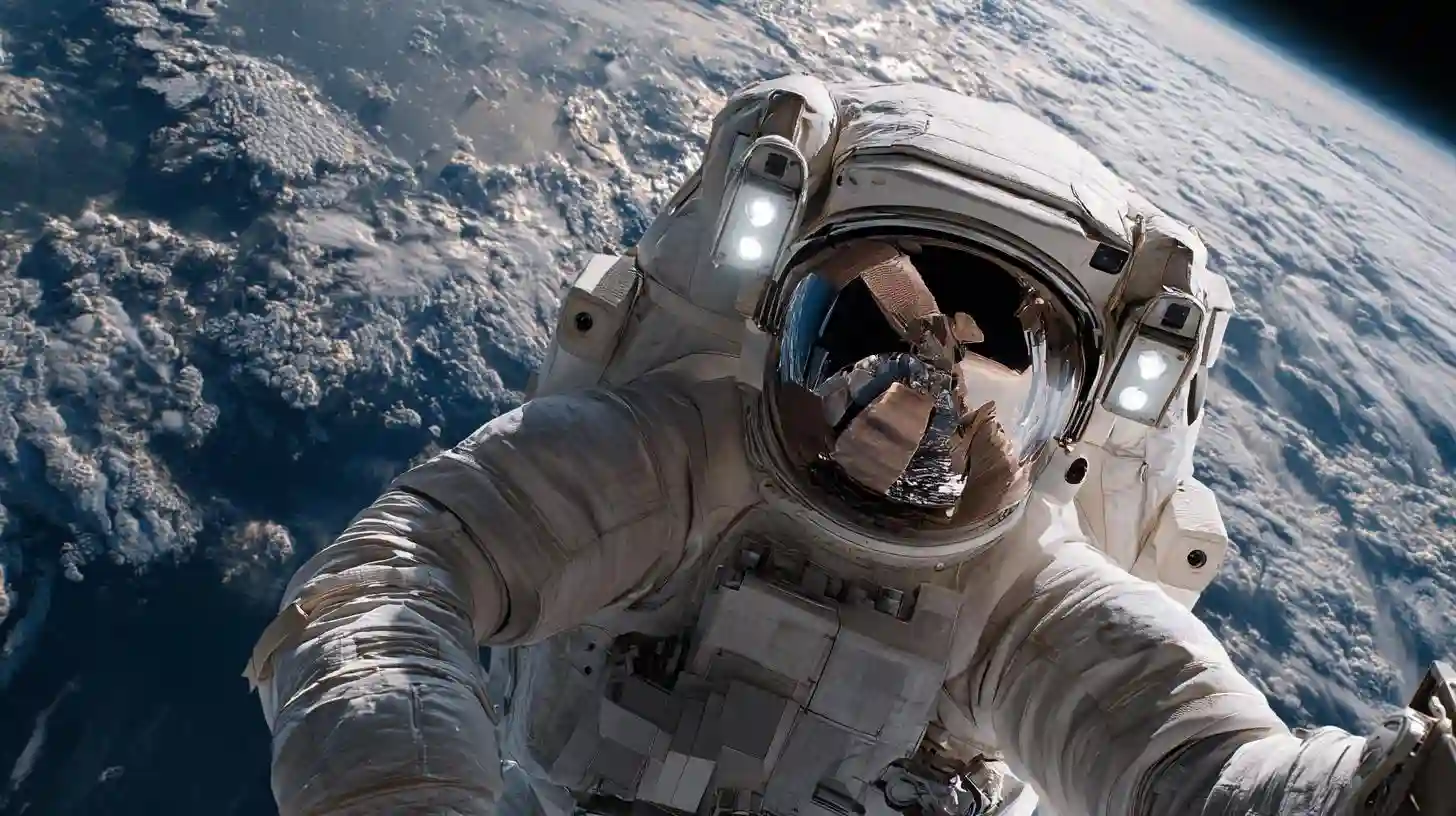
The dawn of a new era in space exploration is rapidly unfolding, driven by high-tech astronauts leveraging groundbreaking technologies. As humanity's ambition to explore the cosmos reaches new heights, the tools and techniques used by astronauts are evolving at an unprecedented pace. Gone are the days when space missions were limited to rudimentary spacecraft and basic tools. Today, astronauts are equipped with advanced technologies that not only enhance their capabilities but also ensure their safety and efficiency in the harsh environment of space. One of the most notable advancements in recent years is the development of next-generation spacesuits. These suits, once seen as mere life support systems, have become sophisticated pieces of technology. They are equipped with sensors that monitor an astronaut’s health, detect potential hazards, and provide real-time data about the surrounding environment. This information is essential for ensuring the astronaut's well-being while working on the International Space Station or during spacewalks. The incorporation of smart materials into these suits allows for greater flexibility, durability, and temperature regulation, significantly improving the astronaut’s comfort and mobility in space. The evolution of space vehicles has also played a crucial role in this new era of space exploration. The traditional spacecraft that relied heavily on chemical propulsion systems are being replaced by more advanced systems, such as electric and ion propulsion. These new technologies are not only more fuel-efficient but also offer longer mission durations, enabling astronauts to travel farther and stay in space for extended periods. The development of reusable spacecraft, exemplified by companies like SpaceX, has also revolutionized space travel. Reusability reduces the cost of missions and accelerates the pace of exploration, making it possible for space agencies to launch more frequent missions and carry out a wider range of scientific experiments. Artificial intelligence is another pivotal technology that is transforming the way astronauts operate in space. AI is now being integrated into spacecraft systems to assist astronauts with navigation, maintenance, and decision-making. Machine learning algorithms allow spacecraft to optimize their routes autonomously, avoiding potential hazards and improving mission efficiency. AI also plays a key role in analyzing data from experiments conducted in space, helping astronauts make real-time decisions about how to adjust their research strategies. In addition to these advancements, the growth of robotics has significantly enhanced astronaut capabilities. Robots are now able to perform tasks that were once reserved for humans, such as repairing satellites, assembling structures in space, and even assisting astronauts during spacewalks. These robots are often equipped with sensors and cameras that allow them to operate remotely, reducing the need for astronauts to perform dangerous or physically demanding tasks. The integration of augmented reality (AR) into space exploration is another exciting development. AR technologies enable astronauts to visualize and interact with digital overlays that provide critical information about their environment. For instance, astronauts can view live data from their spacecraft systems or receive step-by-step instructions for repairing equipment while simultaneously working on a task. This real-time support makes astronauts more efficient and reduces the chances of human error in high-stakes situations. One of the most ambitious goals of modern space exploration is the establishment of a permanent human presence on the Moon and Mars. To achieve this, astronauts will need to rely on an array of new technologies that will allow them to live and work in these extreme environments. Habitat modules, for example, are being designed to provide astronauts with sustainable living spaces on distant celestial bodies. These modules are equipped with advanced life support systems that can recycle air, water, and waste, ensuring that astronauts have the resources they need to survive for long durations. The development of in-situ resource utilization (ISRU) technologies is also crucial for supporting human missions to Mars. ISRU technologies enable astronauts to extract resources from the local environment, such as water from the Martian soil or oxygen from the planet’s atmosphere. This reduces the need to transport supplies from Earth, making long-term missions more feasible. The role of private companies in the development of space exploration technologies has also become more prominent in recent years. Companies like Blue Origin, SpaceX, and Boeing are not only pushing the boundaries of space technology but are also working alongside government space agencies to help realize the dream of interplanetary travel. These collaborations are fostering innovation, speeding up the development of new technologies, and providing more opportunities for future astronauts to explore the cosmos. As the technology that powers space exploration continues to advance, so too does the skill set required of astronauts. In the past, astronauts were primarily trained in physical endurance and the ability to operate basic systems. Today, however, astronauts must be proficient in a range of disciplines, including robotics, artificial intelligence, data analysis, and even advanced medical procedures. Their training involves mastering cutting-edge technologies that will help them adapt to the ever-evolving challenges of space exploration. As humanity’s reach extends further into the solar system, it is clear that astronauts will continue to rely on the latest and most advanced technologies to accomplish their missions. These technologies are not only transforming the way we explore space but are also setting the stage for the next great leap in human exploration.