 International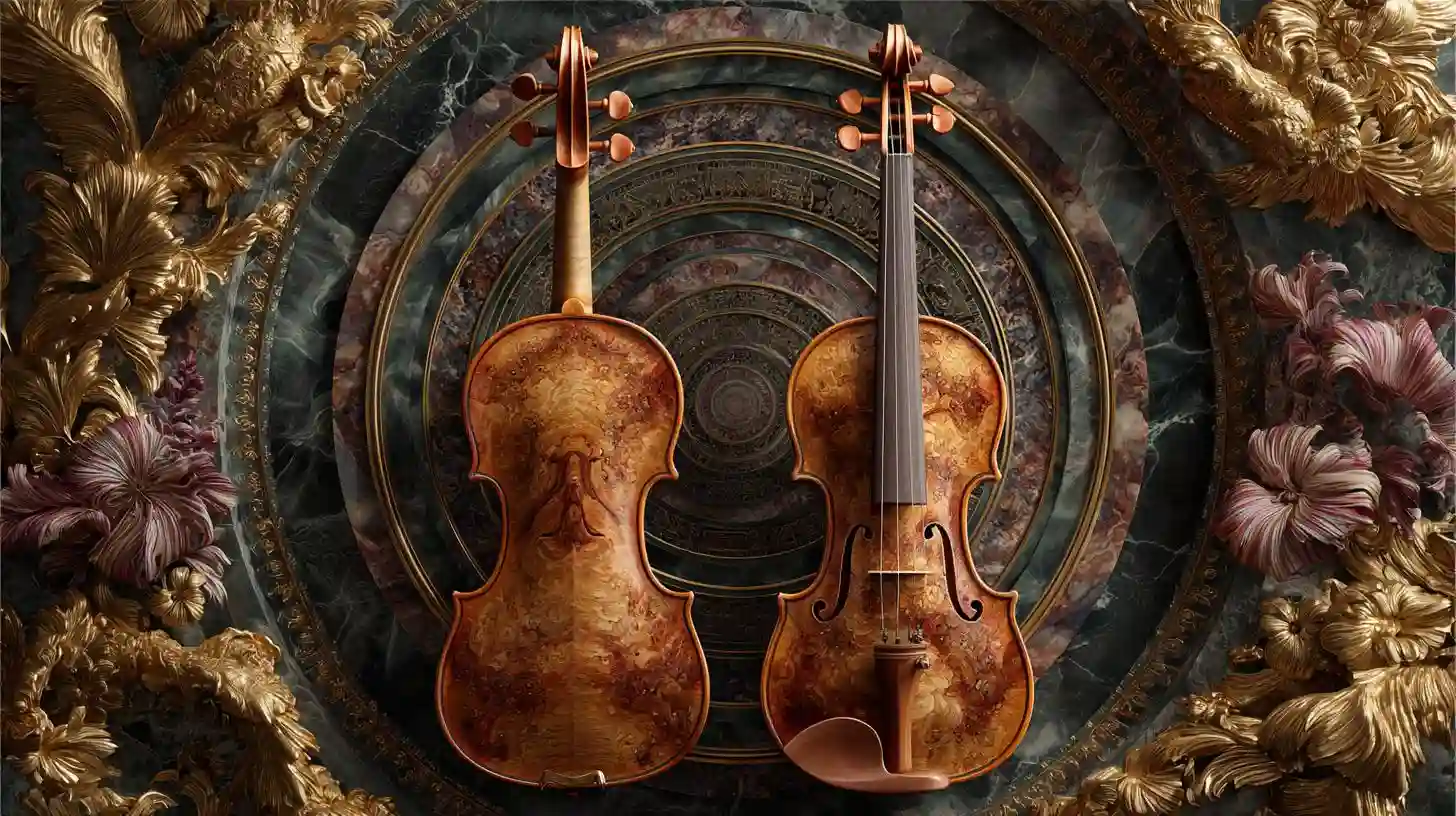
The violin stands as one of the most iconic instruments in the world of music and art. With its refined appearance and deeply resonant sound, it has captured the hearts of musicians, composers, and artists alike for centuries. The violin's history dates back to the Renaissance period, but its true evolution as a symbol of elegance and sophistication took place during the Baroque era. Throughout its development, the violin has maintained a special place in both classical music and contemporary art, admired for its unmatched craftsmanship and profound beauty.
At first glance, the violin is a striking example of intricate craftsmanship. Its delicate wooden body is shaped to amplify sound in a way that makes it unique among stringed instruments. The carefully carved f-holes, the graceful curves of the ribs, and the smooth varnish all contribute to the violin’s ability to produce a rich, warm tone. The materials used to craft each violin are chosen with utmost precision, with fine woods like spruce and maple being the most prized. Each piece of wood has its own unique characteristics, which can affect the violin’s sound, making no two violins exactly alike. The process of selecting, drying, and carving the wood is one that demands skill and patience, passed down through generations of luthiers.
The craftsmanship involved in creating a violin is not just a technical endeavor but an art form in itself. Master luthiers dedicate years of training to perfect their craft, often working for months on a single instrument. The process involves the careful shaping of the top plate, the back, and the sides, followed by the meticulous fitting of the neck and fingerboard. Each step requires both technical precision and a deep understanding of acoustics. This level of expertise is what gives the violin its extraordinary ability to produce such a wide range of expressive sounds, from the most delicate whisper to the most commanding roar.
What truly sets the violin apart from other instruments is its emotional depth and range of expression. It is an instrument that can evoke a vast array of emotions with every note. A violinist’s technique—whether it is the bowing, fingering, or vibrato—plays a significant role in bringing the instrument’s sound to life. The ability to convey emotion through the violin requires not only technical proficiency but also a deep understanding of music and the human condition. The violin, in the hands of a skilled performer, becomes an extension of the soul, capable of expressing joy, sorrow, longing, and exhilaration in ways that words cannot.
This expressive power of the violin has made it an essential part of the classical music world. From the compositions of great masters like Bach, Beethoven, and Tchaikovsky to the performances of contemporary virtuosos, the violin has proven to be an instrument of unparalleled versatility and depth. Whether performing a passionate solo piece or playing in a grand orchestral setting, the violin can adapt to any musical context, always adding layers of emotional richness to the performance. It is an instrument that demands both technical skill and artistic sensitivity, making it a favorite among musicians who seek to challenge themselves and push their musical boundaries.
Beyond its role in music, the violin has also found a place in the visual arts. Throughout history, artists have been inspired by the violin’s beauty, capturing its elegance in paintings, sculptures, and other forms of visual expression. The violin’s graceful curves and intricate details have often served as symbols of sophistication and culture. Many artists have portrayed violinists in the act of playing, emphasizing the connection between the musician and their instrument. This connection, often depicted in art, highlights the violin’s status as not only a musical tool but also a cultural icon, representing the blending of craftsmanship, artistry, and human emotion.
The violin's cultural significance extends beyond the concert hall and art gallery. It represents a tradition of excellence, precision, and passion. Whether in the hands of a professional musician or an enthusiastic amateur, the violin remains a symbol of the pursuit of beauty and artistic expression. Its timeless appeal lies in its ability to evoke emotions, tell stories, and create connections between performers and audiences. As both an instrument and a work of art, the violin stands as a testament to human creativity and the enduring power of music. Its unmatched craftsmanship, profound sound, and emotional depth continue to inspire generations of musicians and artists around the world.