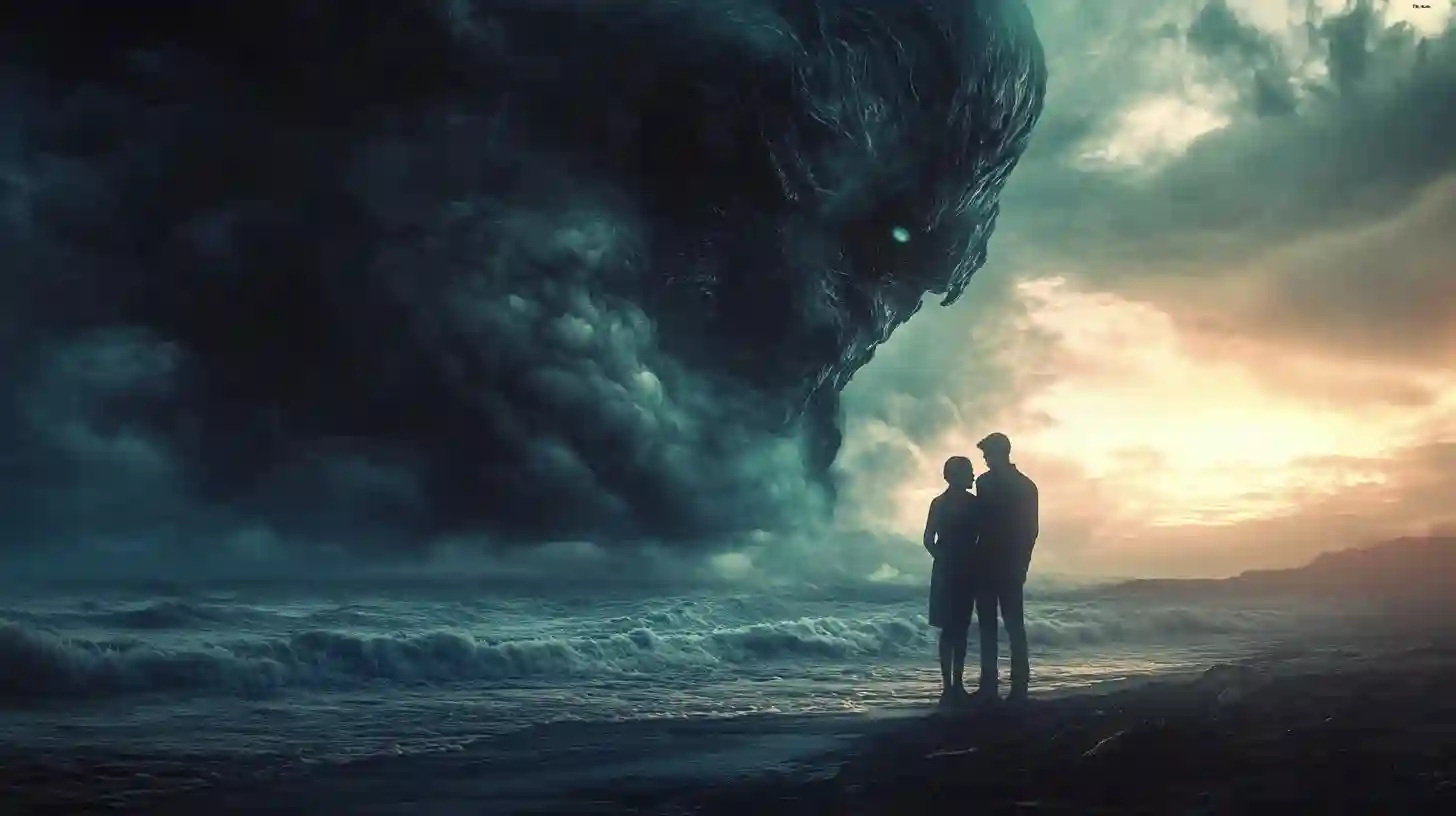
The concept of love has long been a subject of fascination across cultures, literature, and the human experience. Romance often finds its way into the most unexpected places, including relationships between beings that are perceived as fundamentally different. The notion of a monster falling in love with a human is compelling and resonates through various forms of storytelling, from fairy tales to contemporary fantasy. At the heart of this exploration lies a question that probes deeply into what it means to love and be loved, regardless of one's exterior or origin.
Monsters, in their various representations, often symbolize fear, the unknown, or even the misunderstood aspects of ourselves. Traditionally, in narratives, they emerge from the dark recesses of imagination, embodying traits that society typically labels as undesirable. Conversely, humans symbolize light, reason, and a familiar connection to the world. This dichotomy sets the stage for stories that challenge our perceptions of love and acceptability.
When a monster and a human develop feelings for each other, their relationship becomes a microcosm for exploring deeper themes of acceptance, empathy, and transformation. It can serve as a reflection of the societal barriers that individuals face, regardless of their appearances. Love blooms in the spaces between difference, urging both parties to confront their prejudices. Through these narratives, it often becomes evident that true love transcends physical appearances and societal norms.
Consider stories where the monster’s exterior mirrors the scars and complexities of its inner life. Such portrayals evoke sympathy from the audience, allowing them to see beyond the horror and into the depths of the character. These monsters, once viewed as dangerous beings, reveal vulnerabilities and desires akin to those of humans. The struggle for understanding and acceptance becomes the very fabric of their relationships. Such depictions compel us to question the boundaries we place on love and who is deemed worthy of it.
For instance, in numerous adaptations of classic tales, the bond between a beast and a beautiful human is often forged through a shared experience or mutual understanding. In these arcs, love grows not from superficial attraction but from the depth of their interactions. The human may come to see the beauty in the monster’s difference, challenging their preconceived notions about what it means to love and be loved. The monster, in turn, often undergoes a transformation spurred by love, showcasing the redemptive power of relationships. This interplay can lead to a deeper examination of identity, acceptance, and the human condition itself.
Such narratives also tackle the consequences of societal rejection. Often, characters face harsh judgment from their communities for their unconventional relationships. The fear of ostracism looms large, yet it propels them toward a profound connection that defies the norms. In these moments, love serves as an act of rebellion, a declaration against the forces that wish to separate them. The struggle adds tension and poignancy, ultimately underscoring love's potential to heal the deepest wounds and foster personal growth.
Moreover, the relationship between a monster and a human often forces each character to confront their own internalized fears and prejudices. A human who falls in love with a monster must grapple with the stigma surrounding their beloved, navigating both their personal feelings and societal opinions. This process can lead to character development that illustrates growth, resilience, and the transformative nature of love. They may find themselves matured and enlightened, recognizing that vulnerability is part of the human experience.
As for the monster, love inspires introspection and a re-evaluation of its identity. Encountering love challenges their initial perceptions of themselves as ‘monstrous’ or ‘other.’ Relationships with humans can instill a sense of belonging, purpose, and connection that was previously denied. Their journey may illuminate the underlying humanity that the monster possesses, blurring the lines between human and monster, ultimately leading to a more profound understanding of what it means to be alive.
In essence, the exploration of love between a monster and a human serves as an allegory for our interactions with the unfamiliar and unfamiliarity within ourselves. By confronting these monsters—literal and metaphorical—we engage in a larger dialogue about love, identity, and the struggles of embracing differences in our diverse world. Such stories inspire a compassionate lens through which we can view relationships, urging us to reflect on our biases and discover the beauty that exists in embracing the unknown. The heart’s capacity to love often finds a way to flourish even in the most unexpected realms, reminding us that love is indeed boundless and fundamentally human.