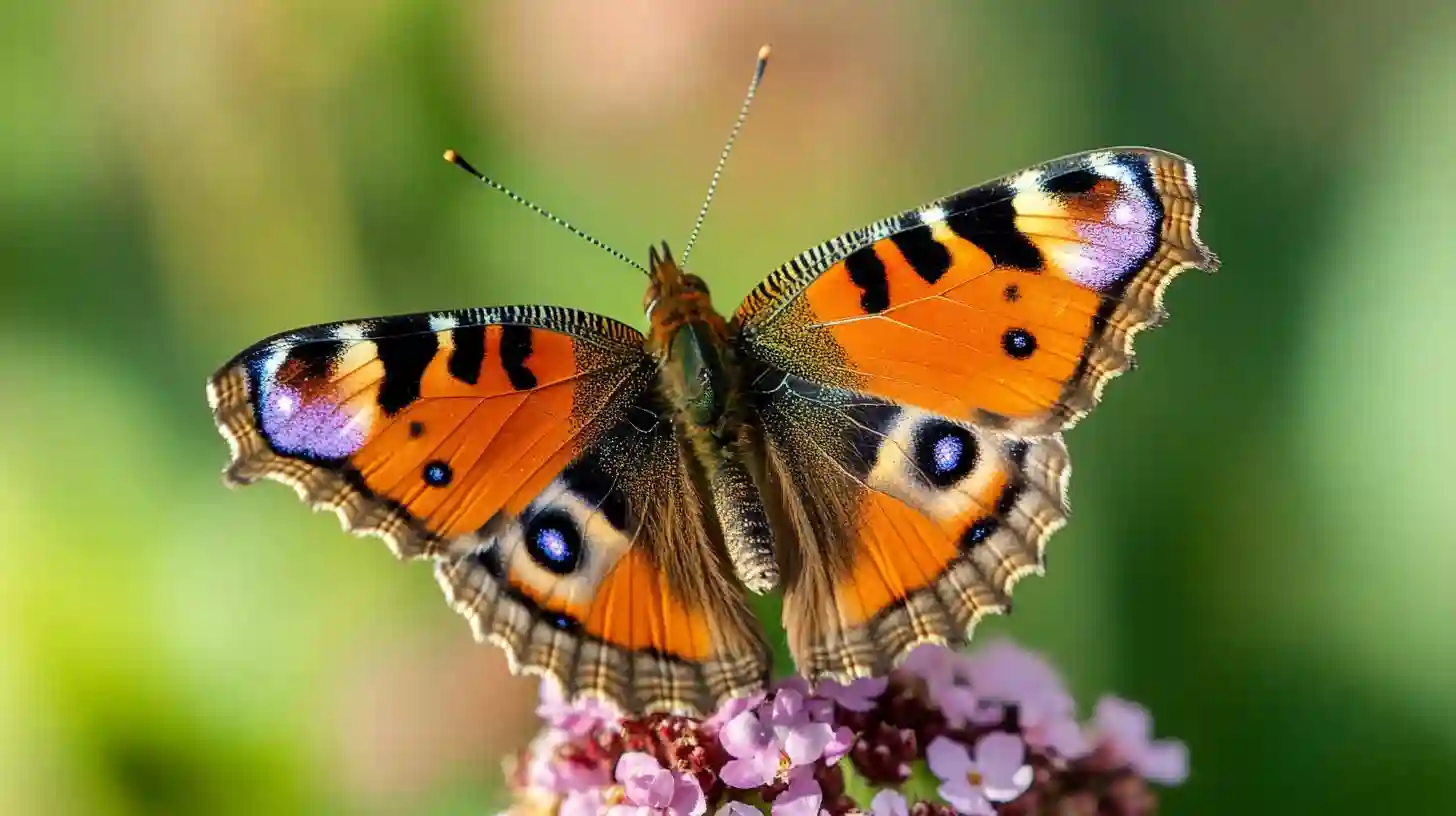
Butterflies are often seen as symbols of beauty and transformation, captivating the hearts of many with their vibrant colors and delicate flight. The world of butterflies is not confined to distant exotic locations but can be found right in our own neighborhoods. Taking the time to observe these remarkable creatures can lead to a deeper understanding of nature and the intricate ecosystems that support diverse forms of life. From gardens to parks, butterflies can be delightful residents in our everyday surroundings, providing a sense of wonder and a reminder of the importance of conservation.
Butterflies thrive in a variety of habitats, making them accessible to everyone who wishes to encounter them. Urban parks, community gardens, and even balconies can become havens for different butterfly species. Those who cultivate a love for gardening have a unique opportunity to attract butterflies by planting native flora. Native plants serve as food sources for caterpillars as well as nectar for adult butterflies. The addition of colorful flowers such as milkweed, coneflowers, and butterfly bushes can transform an ordinary garden into a vibrant butterfly sanctuary. By making our gardens butterfly-friendly, we not only beautify our surroundings but also play a vital role in supporting local ecosystems.
The transformation of a butterfly, from egg to caterpillar, chrysalis, and finally to a magnificent adult, is a marvel of nature. Each stage of this life cycle is essential for the survival and continuation of butterfly populations. Observing these phases in your backyard or local park can be an educational experience. Caterpillars feed voraciously on leaves, often in a wide variety of patterns and colors, camouflaged to blend in with their environment. Once they are ready, they enter the chrysalis stage, a period of metamorphosis that can evoke feelings of patience and curiosity. Eventually, they emerge as adult butterflies, often showcasing breathtaking displays of colors and patterns that can vary widely among different species.
Butterflies play an essential role in the ecosystem as pollinators. While they flit from flower to flower, sipping nectar, they inadvertently carry pollen with them, aiding in the reproduction of plants. This crucial task supports not only the growth of flowers but also the broader food web that sustains various organisms, including humans. Understanding this role emphasizes the importance of protecting butterfly habitats as we engage in local gardening projects, urban planning, or community initiatives aimed at preserving green spaces. Engaging with local environmental organizations can also open doors to butterfly habitat restoration efforts, contributing to the conservation of these enchanting creatures.
Spotting butterflies in their native habitats invites us to reflect on the relationship between humans and nature. As we take leisurely walks, bike rides, or simply relax in our gardens, we may observe the different species fluttering about. Each species brings its unique features, from the enchanting Monarch and its remarkable migration to the striking Swallowtail with its tail-like extensions and bold patterns. Equipped with a field guide or a butterfly identification app, one can learn more about the butterflies frequenting local areas, fostering a greater appreciation for biodiversity and ecological connections.
Moreover, observing butterflies can spark curiosity in children and adults alike. Educational programs at community centers often include workshops on butterfly gardening, where participants can learn about plant selection and garden design tailored for attracting butterflies. Children can engage in hands-on activities, such as building butterfly houses or creating art inspired by butterfly colors and patterns. Such activities help foster a sense of stewardship for the environment, encouraging future generations to carry on the legacy of caring for our natural world.
Keeping a butterfly journal can be a rewarding experience, offering a creative outlet through which one can document sightings, sketch various species, and note their behaviors. This practice can be particularly enjoyable during the warmer months when butterflies are most active. Observing their flight patterns, favorite flowers, and interactions with other wildlife can deepen appreciation for the interconnectedness of all living beings. Creating a community butterfly count can further engage local residents in appreciating the beauty and significance of these fragile creatures.
By immersing ourselves in the fascinating world of butterflies right in our neighborhoods, we not only discover their charm but also nurture a connection to the natural world. Each fluttering wing tells a story of resilience and adaptation and reminds us of the delicate balance we must maintain to ensure these beautiful insects thrive amidst modern challenges. Whether it be through gardening, observation, or education, the pathway to understanding butterflies is rich and filled with delightful moments waiting to be uncovered. Grab your walking shoes, don your sun hat, and step outside to explore the radiant world of enchanting butterflies just beyond your door.