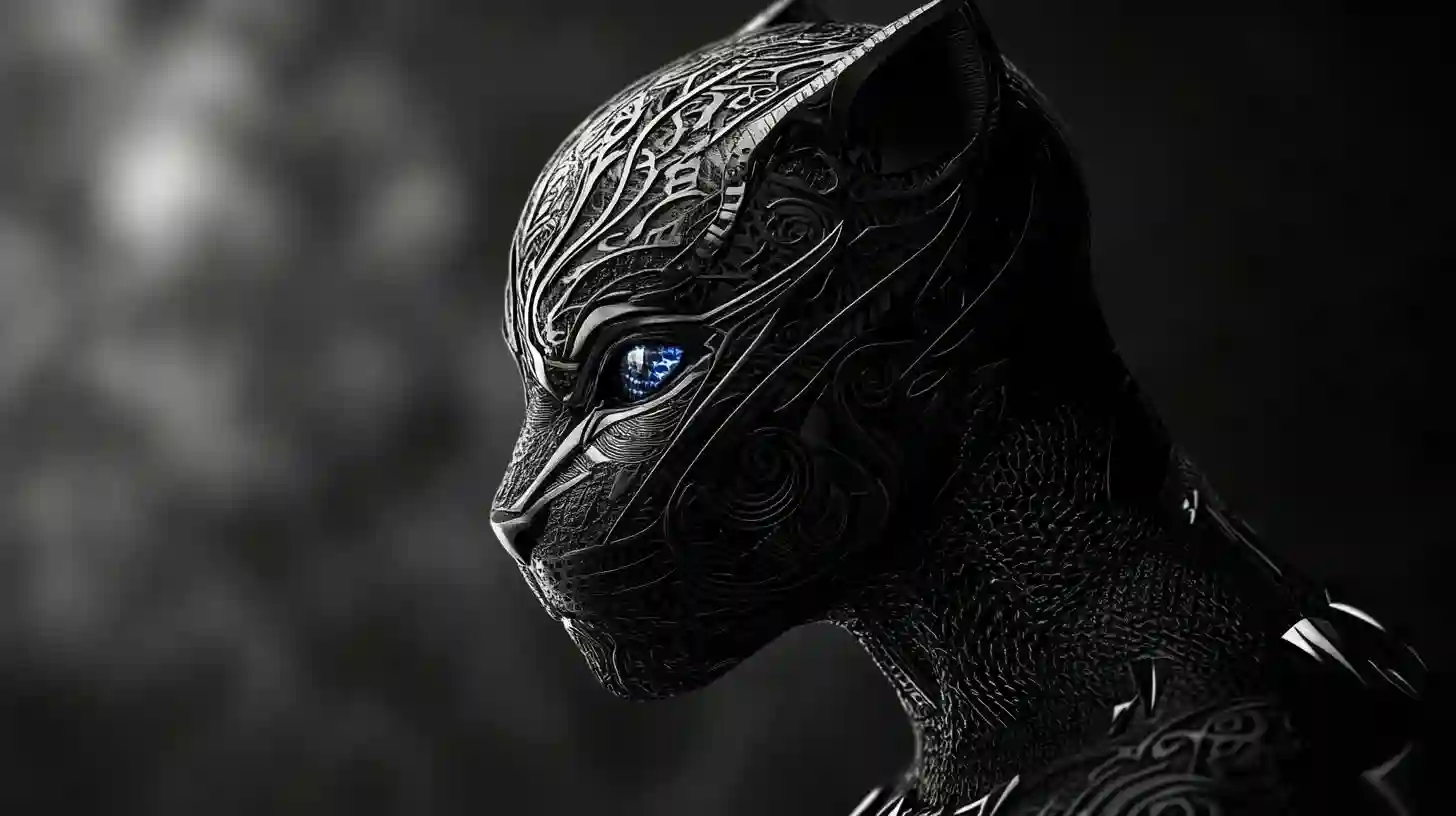
"Black Panther" has emerged as a significant cultural touchstone in the landscape of superhero films, offering a bold narrative that not only entertains but also profoundly redefines representation in Hollywood. Released to widespread acclaim, the film navigates the complexities of race, identity, and heritage while celebrating African culture in a way that had previously been rarely seen in mainstream cinema. The film's influence extends far beyond its commercial success, marking a pivotal moment in the depiction of black characters and stories in the predominantly white realm of superhero narratives.
At its core, "Black Panther" centers around T'Challa, the newly crowned king of Wakanda, a fictional African nation rich in resources and technology. The film diverges from typical superhero tropes by emphasizing the importance of both personal and communal identity. T'Challa's journey is primarily one of self-discovery, as he grapples with the responsibilities of leadership and the legacy of his father, King T'Chaka. The film portrays Wakanda not as a backward or primitive society, but as a beacon of advancement and innovation. This portrayal challenges stereotypes often associated with African nations and presents a vital narrative of empowerment and dignity.
Moreover, the film’s female characters are integral to its narrative, shattering outdated notions of womanhood in action films. Characters like Shuri, T'Challa's sister, and Nakia, his love interest, embody strength, intelligence, and agency, showcasing that women can be just as pivotal in superhero narratives. Shuri's prowess as a tech genius and Nakia's fierce independence emphasize that the female characters are not merely sidekicks or love interests but essential parts of the plot who drive the story forward. This rich characterization allows for a more nuanced representation of black women, providing viewers with strong role models who break free from traditional molds.
The film’s exploration of conflicting ideals between T'Challa and Erik Killmonger, the antagonist, opens up a dialogue about the complexities of racial identity and social justice. Killmonger’s motivations stem from a legitimate sense of anger towards systemic oppression, reflecting real-world issues faced by communities of African descent. His character serves not only as a foil to T'Challa but as a catalyst for critical discussions around the African diaspora, highlighting questions of belonging, heritage, and the struggles against colonial histories. This duality of hero and villain allows for a richer storytelling experience, where viewers are encouraged to grapple with conflicting viewpoints rather than accepting straightforward good vs. evil narratives.
The film's cultural impact was felt well beyond the box office. It ignited important conversations around representation within Hollywood and prompted other studios to consider the necessity of diverse storytelling. "Black Panther" showcased the importance of hiring black talent both in front of and behind the camera, including director Ryan Coogler, who brought a deeply personal touch to the film. The collaboration among a primarily black cast and crew set a precedent for how authentic narratives can significantly enhance the storytelling experience, urging the industry to reconsider its long-standing practices of underrepresentation.
The visual and auditory aesthetic of "Black Panther" also played a crucial role in its impact. From the stunning costumes designed by Ruth E. Carter, which celebrated African heritage through vibrant textile patterns and traditional garments, to the score by Ludwig Göransson that seamlessly blended contemporary hip-hop influences with traditional African music, the film captured the essence of its cultural roots. This artistic direction created a unique ambiance that resonated with audiences worldwide, elevating the viewing experience and highlighting the importance of cultural authenticity.
"Black Panther" has ushered in a new era for superhero films by fostering an environment that embraces diversity and amplifies marginalized voices. Its groundbreaking representation of black characters, engaging storylines grounded in cultural identity, and the portrayal of strong, multifaceted women set a new standard for Hollywood. As the film continues to inspire future generations of filmmakers and audiences, it reinforces the notion that powerful storytelling can arise from diverse perspectives. "Black Panther" not only entertains but invites viewers to reflect on the broader societal implications of representation, inspiring a desire for change and fostering a deeper understanding of the diverse human experience.